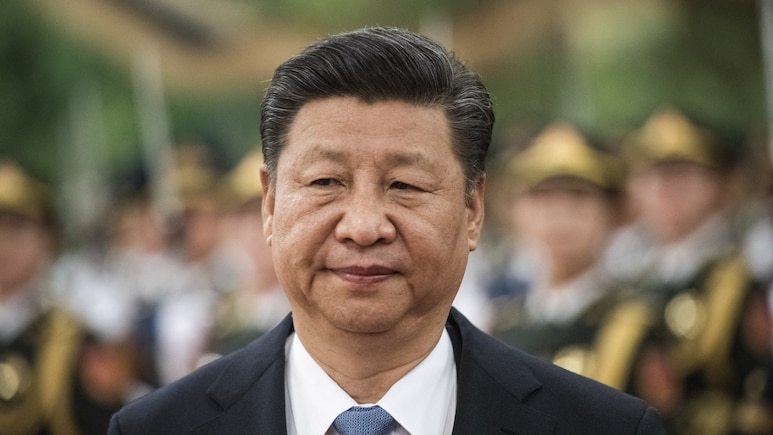
China's deep energy ties with Iran are suddenly under the harshest spotlight in years as US and Israeli strikes push Tehran into open confrontation and threaten the oil arteries that power the Chinese economy.
Beijing has condemned the attacks and called for a ceasefire. But it has stopped short of any economic retaliation that could endanger the very energy flows it depends on.
Before dawn on February 28, the United States and Israel launched coordinated strikes on Iranian nuclear facilities, missile installations and leadership compounds across Tehran, Isfahan and Qom. President Donald Trump labeled the assault "Operation Epic Fury," framing it as a decisive blow after months of stalled nuclear negotiations and mounting regional tension.
Israel's parallel campaign, "Roaring Lion," focused on degrading Iran's ballistic missile capabilities and senior command structure.
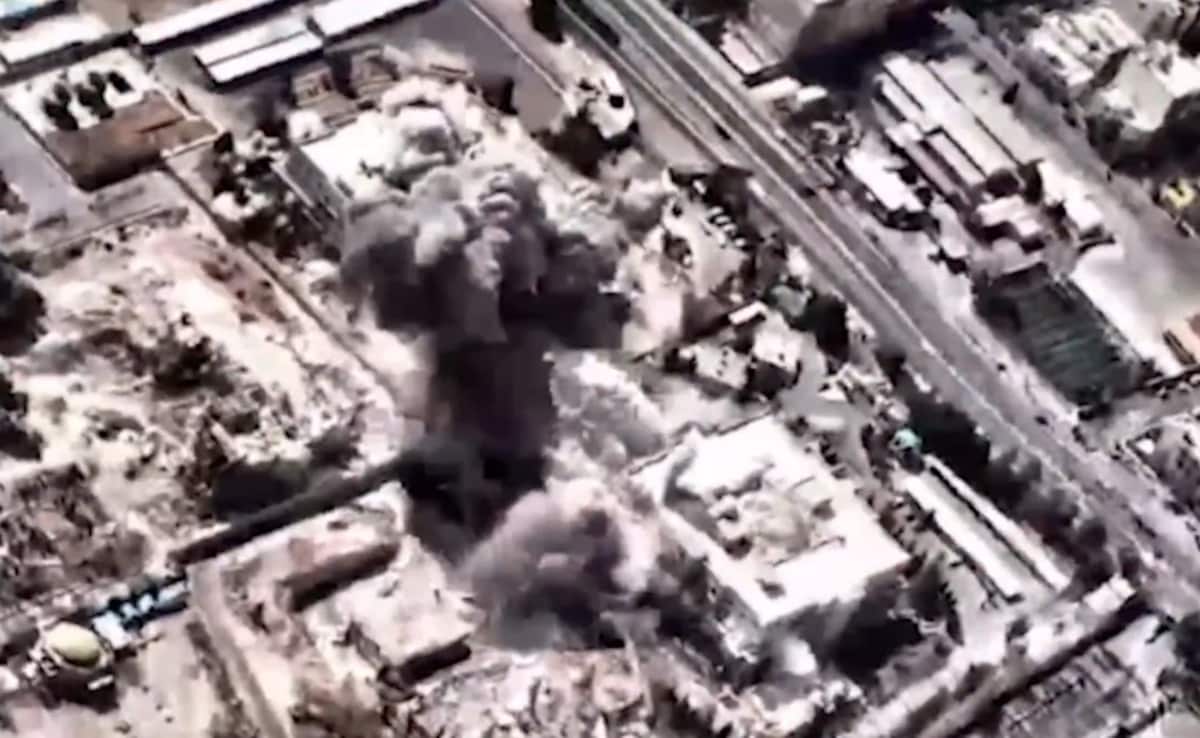
Iran responded with ballistic missile barrages aimed at Israeli territory and US military bases in the Gulf, including sites in the United Arab Emirates, Qatar, Bahrain, Kuwait and Jordan. Explosions were reported in Dubai. Airspace closures and regional travel disruptions followed as the confrontation widened beyond symbolic retaliation.
For China, the crisis is not abstract.
Beijing buys more than 80 percent of Iran's oil exports. In 2025, that translated to roughly 1.38 million barrels per day, accounting for about 13 to 14 percent of China's total seaborne crude imports. The exposure is substantial but not singular. China's two biggest suppliers remain Russia and Saudi Arabia, and since the escalation Chinese refiners have quietly trimmed Iranian purchases and leaned more on discounted Russian barrels to keep overall supply stable.
Balakrishnan, co founder of Avellon Intelligence, called Tehran's retaliation "a historic strategic blunder." In his view, Iran is not merely confronting a superior military coalition. It is "jeopardising its pivotal role as a linchpin in China's energy and geopolitical architecture in West Asia."
Iran anchors a 25-year cooperation framework with Beijing covering energy, infrastructure and transport corridors tied to the Belt and Road Initiative. Discounted crude shipments, often routed through complex trading channels, have given China a steady supply cushion amid Western sanctions.
But Balakrishnan argues Iran's missile strikes on US assets hosted by Gulf Arab states may have backfired strategically. "By targeting US assets on Arab soil, Tehran has alienated potential neutral parties and accelerated regional alignment toward the US Israel axis," he said. That shift narrows Iran's diplomatic space and complicates China's balancing act across the region.
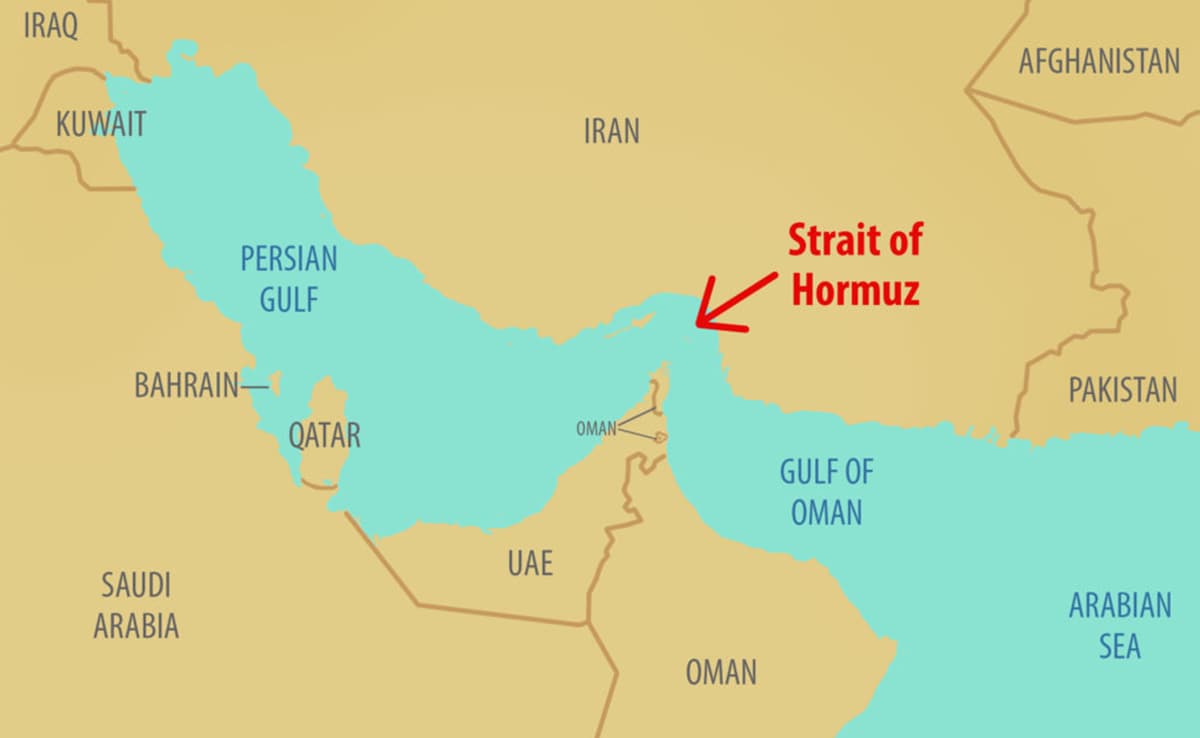
The most dangerous variable for Beijing is the Strait of Hormuz. Roughly 44 percent of China's oil imports originate from the broader Middle East. Any serious disruption of the chokepoint would ripple far beyond Iran's direct share of Chinese imports.
"A closure or serious disruption of Hormuz would deliver a severe shock to Beijing," Balakrishnan warned, adding that prices could surge toward 100 to 130 dollars per barrel. Such a spike would squeeze China's industrial base and growth targets at a delicate economic moment.
The asymmetry in the China-Iran relationship is stark. "Iran needs China more than vice versa," Balakrishnan said, noting that Beijing absorbs the overwhelming majority of Tehran's crude exports. That imbalance gives China leverage to press quietly for de-escalation while safeguarding long-term energy and infrastructure interests.
A weakened and more isolated Iran could become even more dependent on Chinese capital, technology and diplomatic cover. But that leverage, he adds, only holds if the conflict stops short of a region wide meltdown that upends shipping lanes and sends oil markets into shock.
For now, China is condemning the war, hedging its imports between Iran, Russia and the Gulf, and watching a partner test the limits of its own strategic value, he says.
Track Latest News Live on NDTV.com and get news updates from India and around the world


