

)
In a significant moment during the Zero Hour of the Rajya Sabha budget session on Wednesday, February 4, 2026, Aam Aadmi Party (AAP) MP Raghav Chadha issued a stark warning to the nation. He described the current state of food safety in India as a 'raging health crisis,' and he raised an alarm over the 'widespread' food adulteration that has infected daily essentials. From urea-laced milk to oxytocin-injected vegetables, the MP highlighted a grim reality: The average Indian consumer is often unknowingly purchasing 'poison' sold under the guise of fake purity labels. This legislative outcry comes at a time when data between 2014 and 2026 suggests that one in every four food samples tested in India fails to meet safety standards, despite strict monitoring and regulations being in place.
This state of things is frequently highlighted by the Food Safety and Standards Authority of India (FSSAI) and other agencies, which is why people regularly hear about raids where those adulterating food or selling such products are caught, tests are conducted and action is taken. Yet, given the population of India and the lack of food safety awareness, it is crucial to highlight that without consumers taking charge of being conscious of what they are buying, neither agencies nor government bodies can make much progress.
To make this issue a bit easier for consumers to understand, it is crucial to understand the main culprits behind this prevalent food adulteration: The chemical contaminants hidden within the 'ingredients' list.
5 Most Common Chemical Contaminants To Watch Out For
The responsibility of safety is increasingly shifting toward the consumer, and you need to flip the pack before you consume it. If recent studies are considered, a disturbing trend emerges where chemical contaminants are no longer accidental; they are systemic. Here is how you can decode labels to protect your family from the most common chemical contaminants in the market today. There are various chemical contaminants that may be present in your milk, spice cabinet, edible cooking oil, processed foods, and injected fruits and vegetables. To make it simpler to distinguish between fresh and adulterated foods, you need to read the labels.
1. The Dairy With Urea And Neutralizers
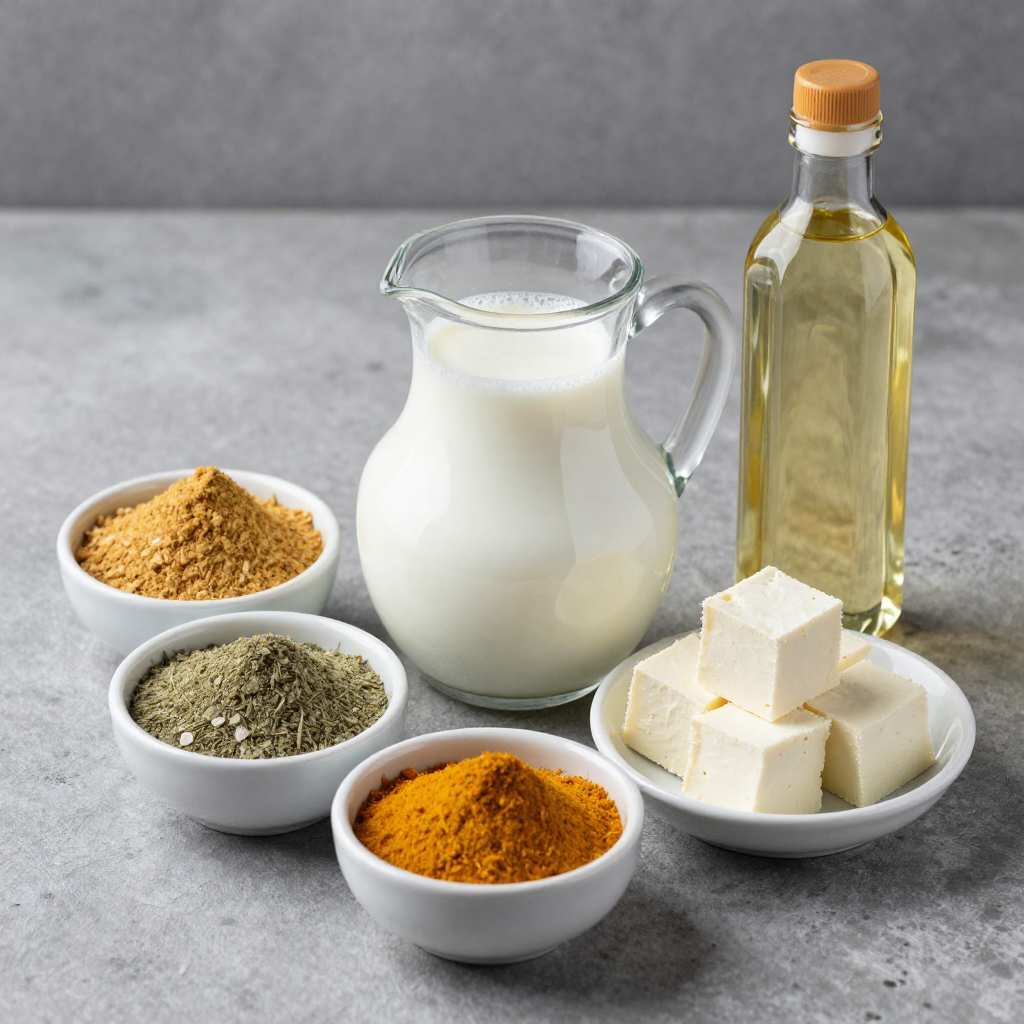
Milk is a staple in the Indian diet, yet it remains one of the most adulterated commodities. MP Raghav Chadha cited research indicating that 71% of milk samples tested contained urea, while 64% contained neutralisers like sodium bicarbonate. Here is what you need to look for in the pack of milk that sits in your fridge and the health risk associated with it:
- What To Look For: While adulterants like urea aren't listed on labels, consumers should be wary of 'long-life' milk that lacks clear processing certifications.
- The Health Risk: If you are consistent consuming adulterated milk that is laced with urea, then it can lead to kidney damage. In addition, neutralisers are often added to mask the acidity of spoiled milk, essentially forcing the body to digest stale, bacteria-heavy dairy.
2. Spices With Metanil Yellow And Lead Chromate
India's global reputation for spices took a hit recently when major brands faced international bans due to cancer-causing pesticides. On the domestic front, the 'raging health crisis' is fueled by synthetic dyes. Here is what you need to watch out for and what studies say about the health risks it poses:
- Watch Out For: In the ingredients list, look for vague terms like 'permitted food colors.' If you find adulterants like metanil yellow (used in turmeric and pulses) and lead chromate, listed, then do not purchase them as they are highly neurotoxic.
- What Studies Say: Studies from 2025, like the International Journal of Innovative Science and Research Technology and the International Journal of Adulteration, both note that loose spices and even some poorly regulated branded powders contain brick powder and sawdust to add bulk. If your turmeric leaves a bright, artificial yellow stain on your hands that won't wash off, it's a chemical red flag.
Read More: How To Check If Your Sweets Or Snacks Have An Industrial Dye
Cooking Oil
Photo Credit: Freepik
3. The "Healthy" Oil With Argemone And Machine Oil
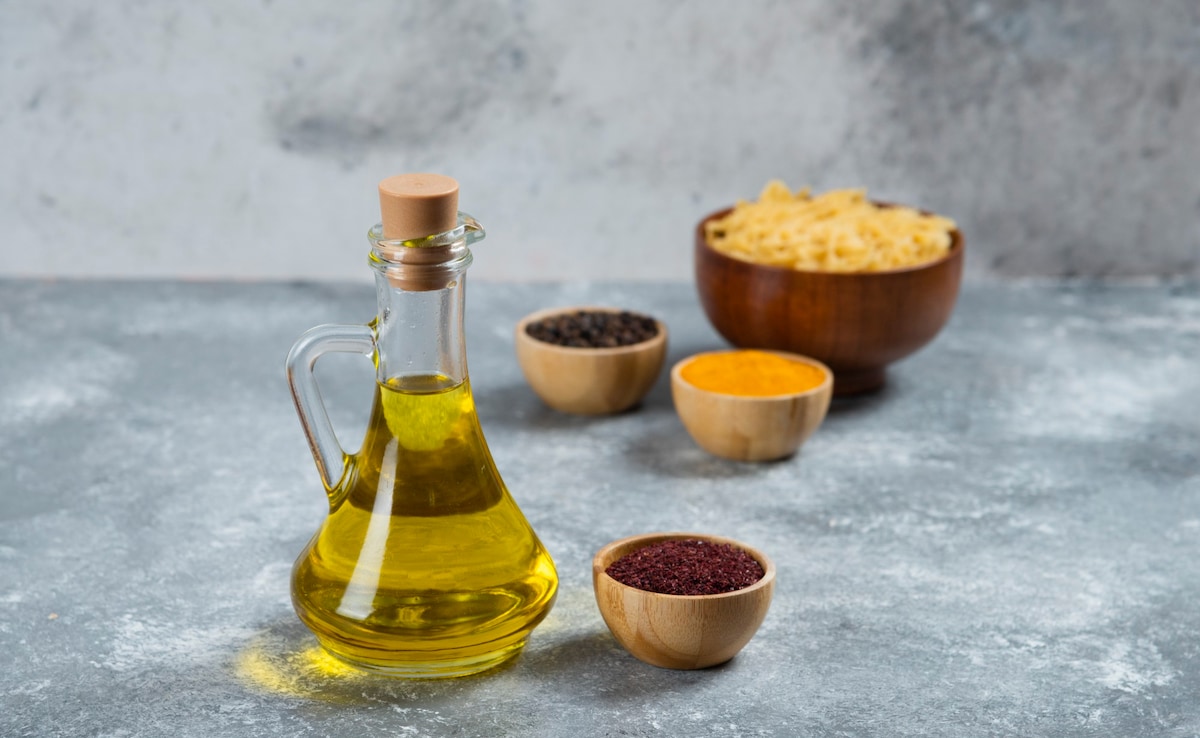
Edible cooking oils are frequently 'cut' with cheaper, toxic alternatives. MP Chadha highlighted that even traditional oils are being mixed with machine oil or vanaspati to increase profit margins. This is where label literacy plays a major role in ensuring safety. Here is why:
- Label Literacy: Check for the 'free from argemone oil' declaration, which is mandatory in India. Avoid consuming oils that list 'hydrogenated vegetable oils' or 'partially hydrogenated fats,' as these are laden with trans-fats that trigger heart disease.
- What Studies Say: Recent clinical observations in the National Library of Medicine suggest a rise in 'epidemic dropsy', a severe condition caused by argemone oil consumption, which can lead to cardiac failure and glaucoma.
4. Freshness Injections With Oxytocin And Copper Sulfate
The vibrant green of your peas or the unnaturally large size of a bottle gourd (laulki) might be the result of a chemical cocktail. As during his Rajya Sabha speech, Chadha noted that vegetables are being injected with oxytocin to accelerate growth. Here is how you can spot the chemical:
While you won't find a label on a vegetable, you should look for 'chemical residue' signals. Oxytocin-treated vegetables often look bloated and lose their flavor, so it is important to check before purchasing them for consumption. Similarly, if your green vegetables turn the water bright green when washed, they have likely been tinted with copper sulfate, a heavy metal that causes liver damage over time.
5. Processed Food With High Fructose Corn Syrup (HFCS) and MSG
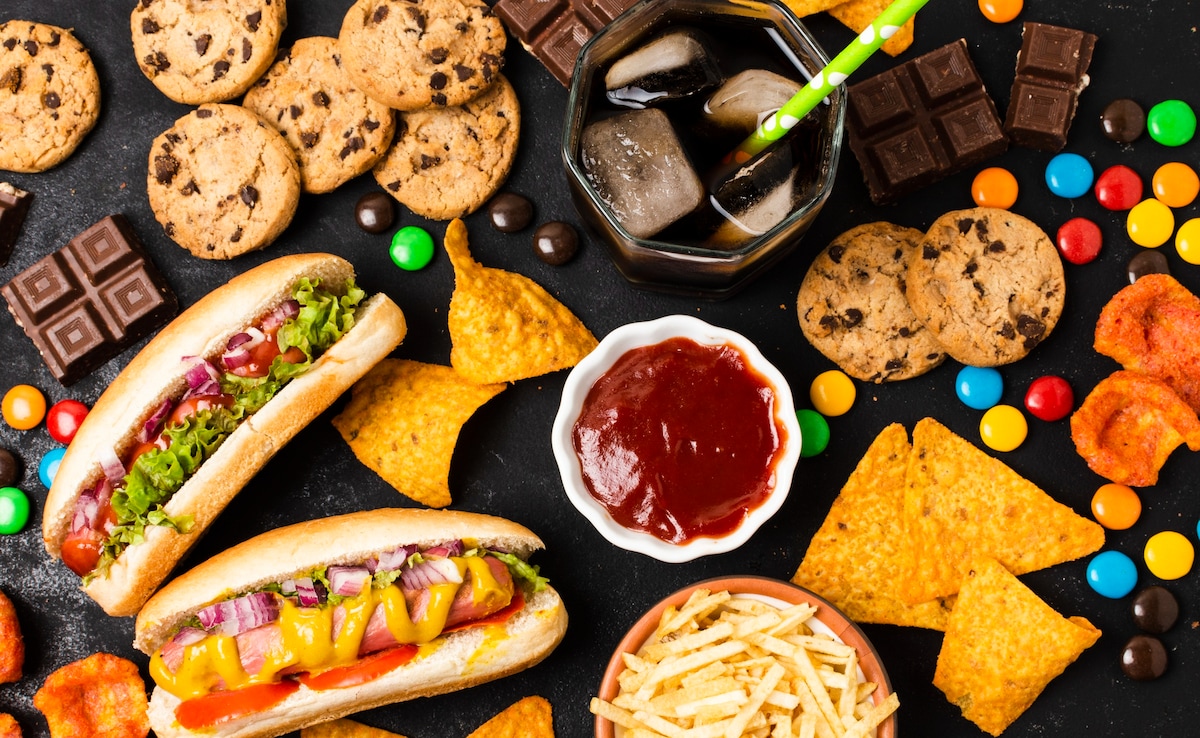
In the realm of packaged snacks, the 'energy boosters' Chadha warned about contains chemical additives, are often hidden behind technical names. Here is a list of names that should make you put that packet of processed food down:
The List Of Chemicals To Avoid:
- Acrylamide: A process contaminant found in starchy foods fried at high temperatures (like chips).
- Monosodium Glutamate (MSG): Often hidden under 'Flavor Enhancer 621' is widely used as a common flavour improver.
- Artificial Sweeteners: You need to watch out for aspartame or acesulfame-K, which have been linked to metabolic disruptions. Third-party lab reports and recent 2026 consumer studies, like the Emirates Journal of Food and Agriculture, show that 'sugar-free' or 'low-fat' labels often replace natural ingredients with synthetic thickeners and chemical sweeteners that the liver struggles to process.
Read More: Is The Milk You Are Drinking Pure? 6 Hacks To Test Your Milk For Purity At Home
Processed foods
Photo Credit: Freepik
How To Protect Yourself From Food Adulterants
To navigate this 'raging health crisis,' the following steps are essential for every shopper:
Milk And Paneer
- Check For: A valid FSSAI License number and a clear "Date of Pack."
- Avoid If: The product claims an excessively long shelf life without the need for refrigeration, which may indicate the presence of unauthorized preservatives or neutralizers.
Spices
- Check For: The AGMARK Seal and a traceable batch number.
- Avoid If: You are buying unbranded, loose powders with unnaturally 'glowing' or vibrant colors, which often signal the use of synthetic dyes like metanil yellow.
Packaged Foods
- Check For: The 'ingredients' list, noting that items are listed in descending order by weight.
- Avoid If: The first three ingredients on the list are sugar, salt, or oil, as this indicates a highly processed product with low nutritional value.
Edible Oils
- Check For: Specific declarations such as 'zero trans-fat" and the mandatory "no argemone oil" tag.
- Avoid If: The label uses the vague term 'vegetable fat,' which is often a cover for unhealthy hydrogenated oils or cheaper palm oil blends.
MP Raghav Chadha has urged the government to strengthen the Food Safety and Standards Authority of India, increase the number of testing labs, and introduce a 'name and shame' system for violating companies. Until then, the 'purity' of the food on your plate depends on your ability to read between the lines of a label.
It is vital to be vigilant, as awareness is no longer a choice; it is a survival skill.
Disclaimer: This content, including advice, provides generic information only. It is in no way a substitute for a qualified medical opinion. Always consult a specialist or your own doctor for more information. NDTV does not claim responsibility for this information.