

)
Obesity is rising sharply globally among all age groups. The World Health Organisation has recognised childhood obesity as one of the most serious public health challenges of the 21st century, highlighting the need for urgent action. WHO data also highlights that the prevalence of overweight (including obesity) among children and adolescents aged 5-19 has jumped from 8% in 1990 to 20% in 2022, with over 390 million children and adolescents living with obesity. Obesity among teenagers has become an increasingly pressing concern in recent years, affecting their physical health, mental well-being, and overall quality of life.
"Teenage obesity occurs when a young person carries way too much body fat, which starts affecting their health. The rise in teenage obesity in India is largely driven by lifestyle choices and environmental factors. According to the World Obesity Atlas 2026, India has the world's second-highest number of obese children (14.4 million). This isn't just a small lifestyle issue anymore; it's a serious medical epidemic that hits both their physical growth and their emotional well-being," says Dr. Sufla Saxena, Head - Paediatrics and Paediatric Gastroenterology and Hepatology, Manipal Hospital Dwarka, New Delhi.
What is fuelling obesity among teenagers?
Dr. Saxena states that the increase in adolescent obesity is driven by a combination of environmental, behavioural, and cultural shifts. This increase is largely due to a transition from traditional meals to processed, modern foods that are high in fat and sugar.
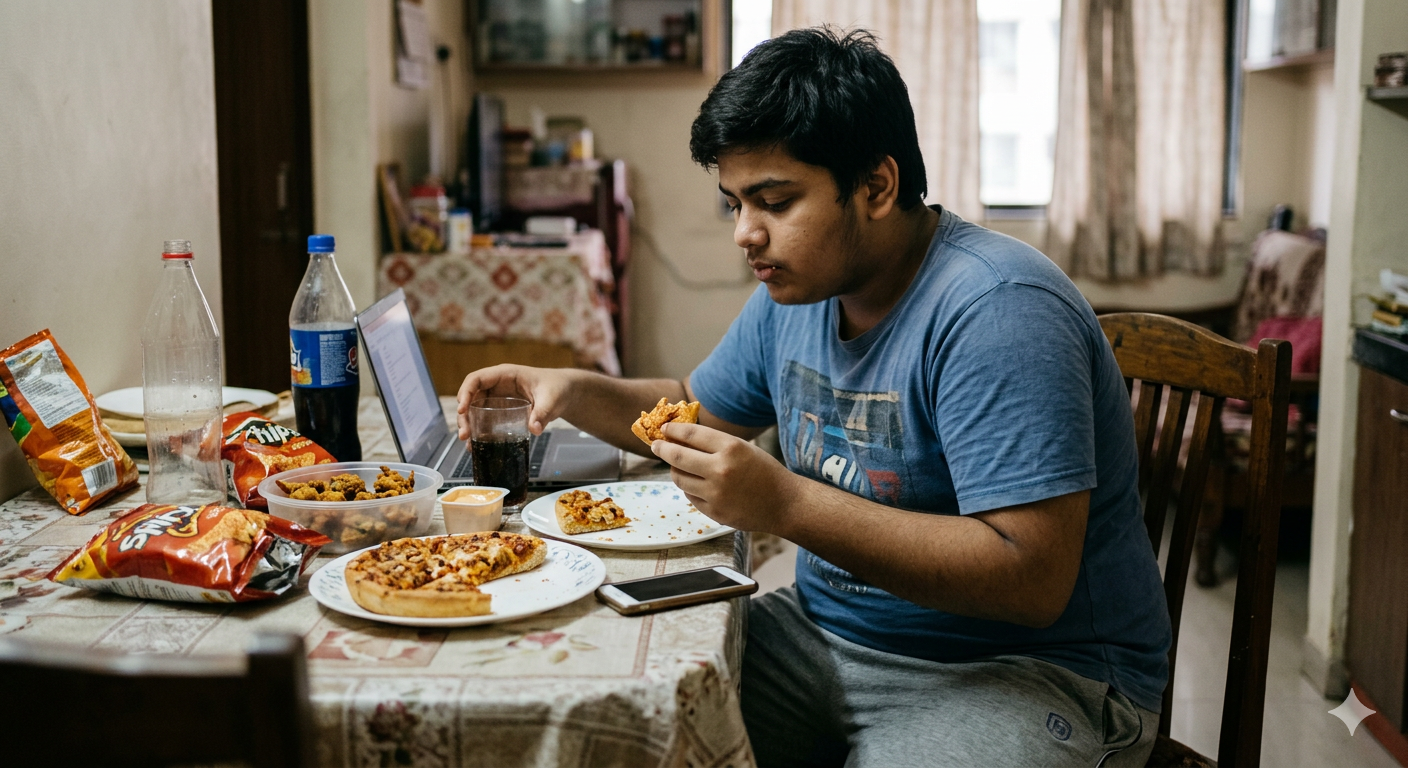
Teenagers today are also spending more time on screens, mobile phones, gaming, and social media, which reduces physical activity and promotes sedentary behaviour. Additionally, intense academic pressure and a heavy reliance on technology have replaced outdoor activities with unhealthy habits.
Easy access to calorie-dense junk food, combined with higher purchasing power, also allows for more frequent consumption.
Importance of early intervention
Obese children are highly likely to remain obese as adults, creating a lifelong cycle of illness. If obesity persists into adulthood, the risk of chronic diseases and related health problems increases significantly. "However, puberty is a critical period where metabolic changes occur, making it easier to reverse unhealthy habits. Early intervention prevents low self-esteem and social anxiety caused by bullying, while heart risks can be reversed if a healthy weight is achieved before adulthood," explains Dr. Saxena.
Consequences when left uncontrolled
"If left unchecked, teenage obesity can lead to serious chronic conditions like high blood pressure, high cholesterol, and Type 2 diabetes. The physical strain often causes organ damage, specifically fatty liver disease, which may result in permanent liver scarring."
"Many adolescents also struggle with respiratory issues such as asthma and sleep apnea, as well as pain in their knees and hips. For girls, the hormonal shift can trigger Polycystic Ovary Syndrome, leading to irregular periods and potential infertility later in life. Apart from these physical causes, the condition also puts a heavy toll on mental health, causing low self-esteem and social withdrawal among teenagers," explains Dr. Saxena.
Tips for prevention and treatment
Prevention and management include a combination of lifestyle choices along with supportive environments:
1. Promote healthy eating: Encourage a balanced diet that includes fruits, vegetables, whole grains, lean proteins, and healthy fats. Educate teenagers on reading nutrition labels and making healthier food choices.
2. Increase physical activity: "Teenagers should aim for at least 60 minutes of daily physical activity, such as sports or dancing, and limit their screen time to under two hours," advises Dr. Saxena.
3. Set healthy examples: Parents and caregivers should model healthy behaviours, as teenagers are influenced by the actions of adults in their lives. Family meals can also reinforce healthy eating habits.
4. Emphasise mental health: Promote open conversations about feelings and body image. Support teens in developing healthy coping strategies through mindfulness, exercise, or engaging in hobbies.
5. Seek professional help: If obesity is a concern, consulting healthcare professionals can provide individualised plans for nutrition, physical activity, and psychological support.
6. Fix sleep cycle: Ensuring 8 to 10 hours of quality sleep is essential to help maintain hormonal balance.
By tackling obesity in teenagers through awareness, education, and lifestyle changes, we can foster a healthier generation and significantly reduce the prevalence of related health concerns.
Disclaimer: This content including advice provides generic information only. It is in no way a substitute for a qualified medical opinion. Always consult a specialist or your own doctor for more information. NDTV does not claim responsibility for this information.