

)
Waking up with elevated fasting blood sugar can feel disheartening, especially when you are actively trying to manage prediabetes. The dawn phenomenon is a natural early-morning rise in blood sugar driven by cortisol and growth hormones that often presents an immediate hurdle before you even reach the kitchen. However, clinical nutritionists emphasise that your first meal of the day acts as an anchor for your metabolic health. Choosing a morning meal specifically built to support insulin sensitivity can stabilise your glucose levels, improve cellular uptake of sugar, and prevent energy crashes throughout the afternoon.
The Science Behind The Morning "Second-Meal Effect"
When you live with prediabetes, cells in your muscles, fat, and liver resist insulin, forcing your pancreas to produce more of it to clear glucose from the bloodstream. Eating a breakfast rich in refined carbohydrates such as white toast, sweetened cereals, or fruit juices can cause rapid glucose absorption, provoking severe insulin spikes.
Conversely, a meal balanced with complex fibre, lean protein, and healthy fats slows down gastric emptying. This gradual digestion triggers what clinical researchers call the "second-meal effect". By flattening your glucose response at breakfast, your insulin sensitivity remains enhanced for lunch and dinner.
A review in the American Journal of Clinical Nutrition demonstrated that consuming a breakfast high in viscous fibres and protein significantly dampens postprandial glycaemic and insulin responses across the entire day. Furthermore, a clinical trial published in the Journal of Nutrition verified that replacing refined breakfast carbohydrates with unsaturated fats and intact proteins directly improves systemic insulin sensitivity.
"Skipping breakfast or opting for simple carbs creates a volatile glycaemic rollercoaster," explains Dr Ananya Mukherjee, Senior Clinical Nutritionist. She adds, "When you eat a protein- and fibre-dense breakfast within 60 to 90 minutes of waking, you signal your pancreas to release insulin in a controlled, steady rhythm. This prevents hyperinsulinemia and protects pancreatic beta-cell function over time."
The Ideal Prediabetes Breakfast Formula
Clinical nutritionists recommend building your plate using the 3-Part Metabolic Formula:
1. High-Quality Protein (20-30 grams): Stimulates satiety hormones (GLP-1 and PYY) while suppressing ghrelin, preventing mid-morning cravings.
2. Viscous and Fermentable Fibre (8-10 grams): Forms a gel-like matrix in the digestive tract, slowing carbohydrate absorption and feeding beneficial gut microbes.
3. Healthy Monounsaturated Fats (10-15 grams): Enhance cell membrane fluidity, allowing insulin receptors to bind with glucose more efficiently.
Top Clinical Nutritionist-Approved Breakfast Options
1. Vegetable-Loaded Egg Scramble With Avocado
Eggs are naturally low in carbohydrates and rich in choline and high-quality protein.
"A clinical study published in the journal Food and Function found that daily egg consumption as part of a high-protein breakfast improved fasting blood glucose and insulin resistance in individuals with prediabetes," notes Rhea Sharma, Consultant Metabolic Dietitian.
She adds, "Pairing two eggs with spinach, tomatoes, and a quarter of an avocado provides essential healthy fats without spiking blood sugar." *
2. Steel-Cut Oats With Chia Seeds And Cinnamon
Unlike instant oats, which are stripped of fibre and digest quickly, such as steel-cut oats retain their intact bran layer. They are loaded with beta-glucan, a soluble fibre proven to improve glycaemic response. Top with a tablespoon of chia seeds for extra omega-3s and a dash of Ceylon cinnamon, which clinical trials suggest may enhance insulin receptor signalling.
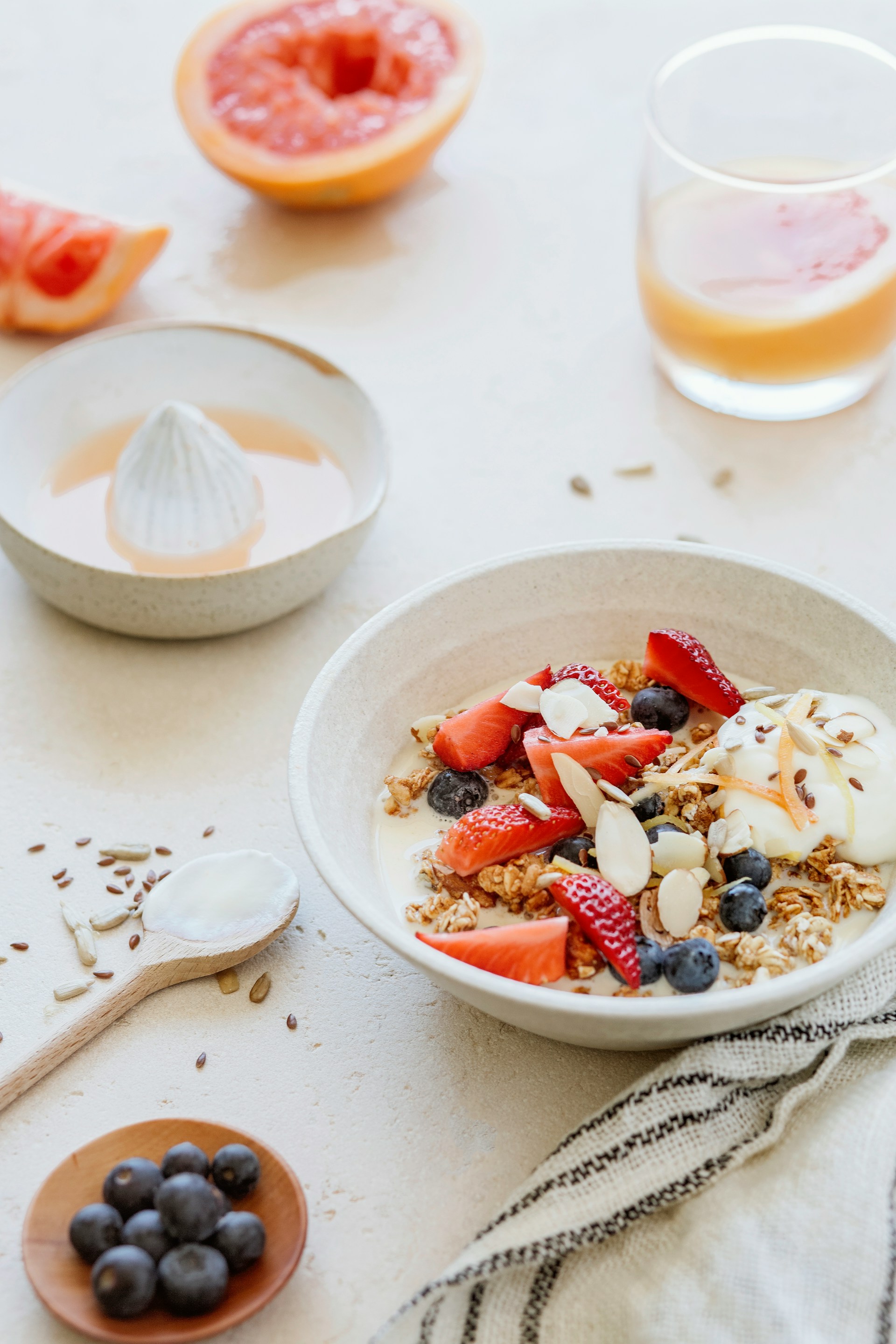
3. Unsweetened Greek Yoghurt Bowl
Plain or whole-milk dahi contains double the protein of traditional yoghurt and significantly fewer carbohydrates. Combine a cup of Greek yoghurt with a handful of fresh blueberries or crushed walnuts. The berries supply polyphenols, which clinical evidence links to reduced oxidative stress and improved insulin action.
4. Moong Dal Chilla Or Besan Chilla With Paneer
For a traditional, savoury option, lentil-based pancakes like moong dal or besan chilla offer complex carbohydrates paired with plant-based protein. Stuffed with low-fat paneer, green chillies, and coriander, this meal delivers a balanced glycaemic load that keeps insulin levels stable for hours.
Common Breakfast Pitfalls To Avoid
Drinking Your Breakfast: Fruit juices, sweetened smoothies, and flavoured coffees lack an intact fibre matrix, leading to rapid blood sugar surges.
Choosing "Fat-Free" Processed Foods: Products labelled low-fat often substitute fat with added sugars or refined starches to preserve flavour.
Delaying the Meal Too Long: Extending your overnight fast too far into the late morning can elevate stress hormones like cortisol, exacerbating insulin resistance during your first meal.
Reversing prediabetes requires consistent, strategic dietary choices, and breakfast is your primary opportunity to set the trajectory for the day. By prioritising whole proteins, soluble fibres, and healthy fats while minimising refined starches, you can actively improve your insulin sensitivity and support long-term metabolic health.
Also Read: Tai Chi Walking For Weight Loss: The Gentle Exercise Burning Calories Without Stressing Joints
Disclaimer: This content including advice provides generic information only. It is in no way a substitute for a qualified medical opinion. Always consult a specialist or your own doctor for more information. NDTV does not claim responsibility for this information.