

)
Eating healthy often feels simple - eat fruits, drink milk, and add greens. Most of us grow up hearing the same advice. And while these foods are definitely good for the body, nutrition experts say there are some lesser-known foods that quietly deliver even more nutrients.
Sometimes the most powerful foods are the ones we overlook. Small seeds, local fruits, and traditional ingredients can pack more nutrition per bite than many popular “healthy” foods.
Nutritionist Nmami Agarwal speaks about this in an Instagram post. She explains that some underrated foods actually provide more nutrients compared to commonly consumed ones. As she puts it, eating healthy is good, “but eating smart is a whole different level.”
Here are three interesting food swaps the nutritionist highlights.
1. Sesame Seeds vs Milk For Calcium
Milk is often seen as the go-to food for calcium. It supports bone health and is widely recommended in daily diets. But sesame seeds can actually deliver far more calcium when compared gram for gram.
According to the comparison shared in Agarwal's post, about 100 grams of milk provides roughly 118 mg of calcium. Meanwhile, the same quantity of sesame seeds offers around 1283 mg of calcium.
That is a huge difference. Sesame seeds are also rich in healthy fats and minerals that support bone strength. Adding a small amount to salads, chutneys, or even laddoos can quietly boost calcium intake.
2. Garden Cress Seeds vs Spinach For Iron
Spinach has long been associated with iron. Many people eat it to support blood health. But another tiny ingredient often used in Indian kitchens may provide even more iron.
Garden cress seeds, also known as halim seeds, contain a surprisingly high amount of iron.
As per the comparison shared, 100 grams of spinach contains around 2.7 mg of iron, while garden cress seeds contain nearly 17 mg of iron.
Because of this, these seeds are often recommended in traditional diets for improving iron intake. They are usually soaked and added to drinks, laddoos, or porridges.
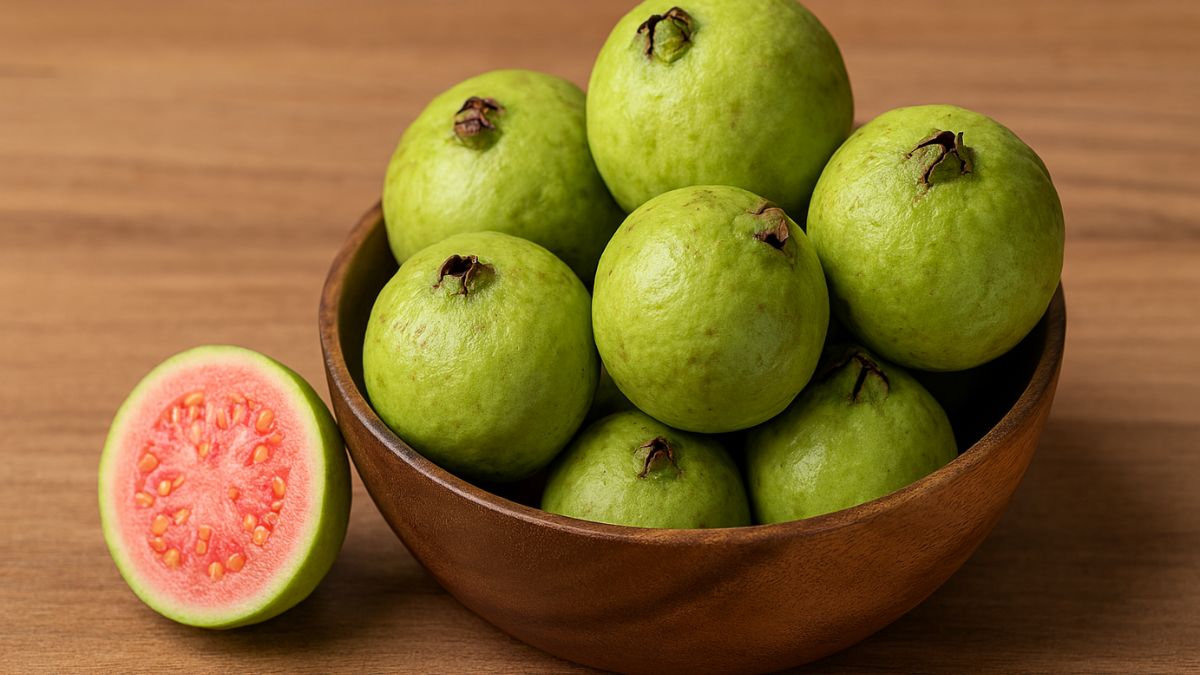
3. Guava vs Orange For Vitamin C
Oranges are commonly associated with vitamin C. Many people reach for them when they want to boost immunity. But another fruit can actually deliver much more of this nutrient.
Guava turns out to be a vitamin C powerhouse. As highlighted in the post, 100 grams of orange provides about 53 mg of vitamin C, while guava offers around 228 mg. That is several times higher.
Apart from vitamin C, guava also contains fibre and plant compounds called polyphenols, which support immunity and overall health.
Eating Smart Matters
Nmami Agarwal explains that the goal is not to replace healthy foods completely, but to understand that some underrated foods provide exceptional nutritional value.
Milk, spinach and oranges are still healthy choices. But adding foods like sesame seeds, garden cress seeds and guava can make the diet even more nutrient-rich.
Sometimes the smartest nutrition upgrades are not expensive superfoods. They are simple ingredients already present in traditional diets.
Disclaimer: This content including advice provides generic information only. It is in no way a substitute for a qualified medical opinion. Always consult a specialist or your own doctor for more information. NDTV does not claim responsibility for this information.