

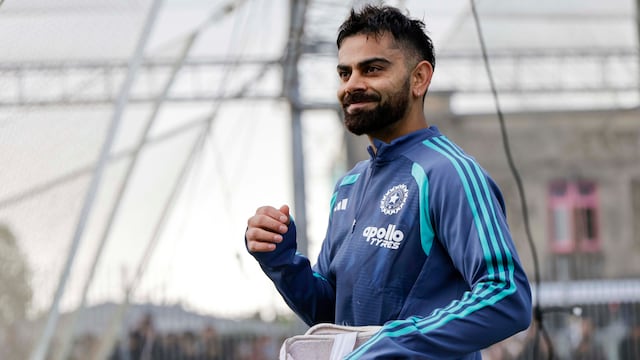
Virat Kohli turns 38 today, his fitness has become almost as much a part of who he is as his batting. He is known for his fire on the field, his quick runs between the wickets and his ability to keep performing at the level. The Indian star cricketer has spent a time shaping his life around physical strength, careful eating and smart recovery. This wasn't something that happened overnight. Kohli himself has said that a moment in 2012 changed everything. He realised he needed to change. That's when he started altering his diet, his gym. His everyday habits. Over the years he has focused on strength, agility, stamina and the need to let the body heal. As he marks his birthday his journey shows us something real. Staying fit is not about going out for a short time. It is about building habits that last. It is about consistency. It is about choices made every single day. As per a 2022 media report, Virat Kohli's body fat percentage has typically hovered around 9% to 12%, which shows his dedication and consisitency towards fitness. Here is a closer look at the fitness principles Virat Kohli has shared.
1. Strength Training Is An Important Part Of His Routine
Kohli has spoken about combining strength training with agility drills and endurance exercises to prepare for the physical demands of professional cricket. In an interview with the media in 2023, he explained that his training involved pushing himself physically while building a strong foundation to handle the demands of the game and reduce injury risk. He also highlighted the importance of recovery after intense training sessions. Strength training is particularly important for athletes because it helps develop muscular strength, power and stability. For cricketers, these qualities support movements such as sprinting, throwing, batting and changing direction quickly. Resistance exercises can also help maintain muscle mass and support bone health as people grow older. For people who are not professional athletes, the takeaway is simple: include strength training in your weekly routine. Exercises such as squats, lunges, push-ups, rows and resistance-band movements can help improve overall strength. Beginners should start with manageable resistance and focus on technique before increasing intensity.
READ | Milind Soman Turns 61: How Running, Discipline And Simple Habits Keep Him Fit
2. Agility Drills Help Build Speed And Coordination
Cricket requires more than the ability to run long distances. Players need to accelerate quickly, change direction, maintain balance and react to rapidly changing situations. This is where agility training becomes useful. Kohli has discussed incorporating agility drills into his fitness routine. These exercises challenge coordination, balance, speed and the ability to control body movements. Agility training may involve ladder drills, controlled changes of direction, short sprints, lateral movements and jumping exercises. Such movements can help athletes develop better body control and respond more efficiently during matches. For recreational fitness enthusiasts, agility exercises can also make workouts more varied. However, beginners should start with low-impact movements and gradually increase speed and complexity to avoid injuries.
3. Endurance Training Supports His Ability To Sustain Performance
Kohli's running between the wickets is one of the most noticeable aspects of his game. His ability to turn singles into doubles and maintain intensity during long innings reflects the importance of cardiovascular fitness and conditioning. In his 2023 interview with The Indian Express, he identified endurance exercises as one of the components of his overall training approach. Endurance training helps the heart and lungs support sustained physical activity. Activities such as brisk walking, jogging, cycling and swimming can improve cardiovascular fitness.
For someone who does not play competitive sport, regular aerobic activity can help improve stamina and support heart health. The World Health Organisation recommends that adults aim for 150 to 300 minutes of moderate-intensity aerobic activity each week, alongside muscle-strengthening activities on at least two days. The key is to build endurance gradually rather than attempting intense workouts without adequate preparation.
4. A Disciplined Diet Helps Support His Training
Kohli has repeatedly highlighted the importance of nutrition in maintaining fitness. In an interview with The Indian Express in 2023, he described a well-balanced diet with the right mix of nutrients and protein as a priority for staying energised and meeting the physical demands of training and matches. He has also spoken about the importance of being mindful of food choices and maintaining consistency. His approach reflects a broader principle of sports nutrition: food is not just about managing body weight. It also supplies the energy and nutrients required for exercise, muscle repair and recovery.
A balanced diet should include adequate protein, carbohydrates, healthy fats, fruits, vegetables and other nutrient-rich foods. Protein sources can include dairy products, eggs, lentils, beans, soy and other suitable options.
Kohli has also spoken about enjoying his favourite foods occasionally, including chole bhature. In his 2023 interview, he described maintaining a disciplined diet while allowing himself to indulge when the opportunity arises. This is a more sustainable message than treating healthy eating as a list of permanent restrictions. Individual dietary requirements vary, particularly for people with medical conditions or specific fitness goals.
5. Recovery And Sleep Are Non-Negotiable
Training hard is only one part of maintaining fitness. The body also needs sufficient time to recover. Kohli has emphasised the importance of rest, recovery and good-quality sleep in interviews. Speaking about his approach to fitness in 2023, he said that giving his body enough time to recover after intense training was essential for performance. Recovery allows muscles to repair and adapt after exercise. Inadequate rest can contribute to persistent fatigue, reduced performance and a higher risk of injury. For most adults, getting at least seven hours of sleep each night is a useful general target, although individual requirements can vary. Other recovery habits include maintaining adequate hydration, eating enough to support physical activity and allowing sufficient rest between demanding workouts. The lesson is that exercising more is not always better. A sustainable routine needs a balance between training and recovery.
6. Mental Fitness And Consistency Matter Too
Kohli has also spoken about meditation, mindfulness and self-care as part of his approach to overall well-being. In his 2023 interview, he discussed using meditation and mindfulness practices to keep his mind and body in sync. He also highlighted the importance of spending quality time with loved ones to unwind. Physical fitness is closely connected to mental well-being. Stress, poor sleep and a demanding schedule can affect motivation, recovery and the ability to maintain healthy habits.
For everyday fitness enthusiasts, consistency does not mean following an intense routine every single day. It means finding activities that fit into daily life and returning to them regularly. Even a combination of walking, strength training, mobility exercises and adequate sleep can make a meaningful difference over time.
7. His 2012 Transformation Shows The Power Of Long-Term Discipline
Kohli's fitness transformation is often traced back to 2012, when he decided to make significant changes to his lifestyle. In a conversation in 2018, he recalled being unhappy with his physical condition after returning from the Australia tour. He said that the experience prompted him to change his diet and begin working out more seriously. He also described the initial months as challenging, but said that the routine became easier once he established it. His experience highlights an important point: lasting fitness improvements rarely come from short-term motivation alone. They require changes in everyday habits, including exercise, nutrition and recovery.
It is also important to remember that Kohli is a professional athlete with access to specialist training, nutrition and recovery support. His exact routine is not necessary or appropriate for everyone to copy.
What Can You Learn From Virat Kohli's Fitness Routine?
You do not need to train like an international cricketer to benefit from the principles behind Kohli's approach. Start with regular physical activity, include strength training at least twice a week, build cardiovascular endurance and pay attention to recovery. Eat a balanced diet that meets your nutritional requirements and prioritise sleep. Avoid comparing your routine with that of a professional athlete. Your exercise plan should reflect your age, fitness level, health conditions and personal goals. As Virat Kohli turns 38, his fitness journey highlights how strength training, agility, endurance, disciplined nutrition and recovery can work together to support long-term performance.n His transformation emphasise the importance of consistency. Rather than relying on occasional intense workouts or restrictive diets, building sustainable habits can help people maintain strength, stamina and overall health as they age.
Disclaimer: This content including advice provides generic information only. It is in no way a substitute for a qualified medical opinion. Always consult a specialist or your own doctor for more information. NDTV does not claim responsibility for this information.