

)
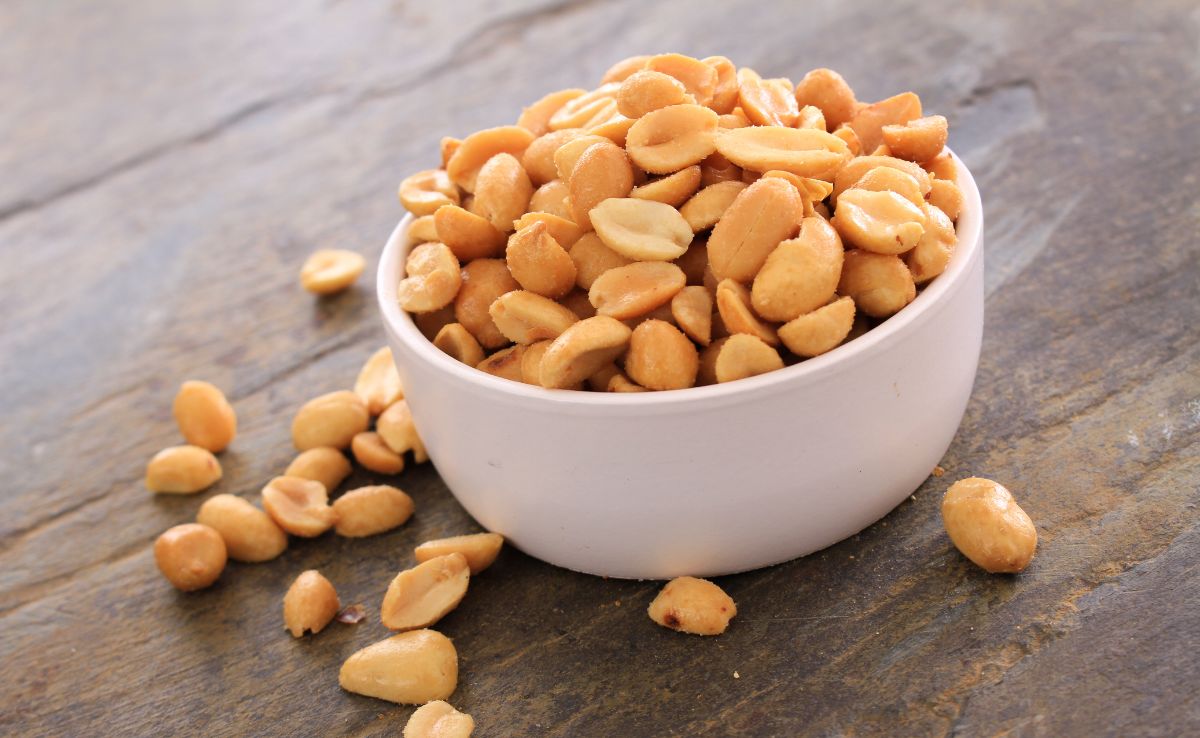
Peanuts are a highly nutritious snack that provide numerous health benefits. They are an excellent source of protein, healthy fats, vitamins, and minerals such as magnesium, phosphorus, and potassium. Additionally, peanuts have a low glycemic index, which means they cause a slower and more gradual rise in blood sugar levels after consumption. This characteristic is particularly beneficial for individuals with diabetes, as it helps manage blood sugar levels more effectively. A recent study published in The American Journal of Clinical Nutrition has revealed that eating peanuts can help reduce the risk of developing Type-2 diabetes.
The study investigates how eating peanuts changes the fats floating around in your bloodstream, and how those changes relate to diseases like type 2 diabetes.
It highlights the mechanism that when you eat foods, your body breaks them down, and they leave a chemical "fingerprint" in your blood. Peanuts are uniquely rich in special types of healthy fats, specifically very long-chain saturated fatty acids.
To figure out what happens when you eat them, researchers combined two approaches:
- A Clinical Trial: They had healthy adults eat a controlled amount of peanuts or peanut butter every day for 6 months to see how their blood chemistry shifted.
- A Large Population Study: They looked at health records and blood samples from thousands of people over many years to see if that specific blood "fingerprint" correlated with lower rates of disease.
They discovered that eating peanuts doesn't just randomly add fat to your blood. It triggers a precise remodelling of your blood lipids, leaving behind a unique biological signature.
READ | Peanut vs Almond: Which Is A Better Source Of Protein?
The findings include:
- Eating peanuts significantly increases specific very long-chain saturated fatty acids (VLCSFAs like C24:0 and C22:0) in the blood. Your body incorporates these into specific fat classes.
- When researchers checked this peanut fat signature against long-term population data, they found it was strongly associated with a lower risk of developing type 2 diabetes (T2D).
- The protective link between the peanut blood signature and lower diabetes risk was largely explained by body mass index (BMI). This suggests that these specific peanut fats help support a healthier body weight or better weight-related metabolic stability.
- Interestingly, while the signature linked to lower diabetes risk, it did not show a direct association with a reduced risk of cardiovascular disease in this specific analysis.
READ | Nutritionist Recommends Having A Spoonful Of Peanut Butter Before Bed For Better Sleep
"Peanuts contain monounsaturated and polyunsaturated fats that may help improve LDL cholesterol when consumed in place of foods high in saturated fat. They also offer magnesium, fibre, and phytochemicals for heart-healthy nutrition. A simple swap from packaged snacks to a small handful of unsalted peanuts can be a practical step toward better health," says Dr. Gautam Singal, Senior Consultant and Associate Professor, Adult Cardiology at Amrita Hospital, Faridabad.
For individuals with diabetes, peanuts can be a healthy addition to the diet. They provide essential nutrients without causing significant spikes in blood glucose levels. Their protein and fat content can help improve satiety, reducing the likelihood of overeating.
However, moderation is key. Overconsumption can lead to excessive calorie intake, so it's best to enjoy peanuts as part of a balanced diet, possibly in their unsalted form to avoid excess sodium. Always consult with your doctor before making significant changes to your diet, especially if you have diabetes or other health conditions.
Disclaimer: This content including advice provides generic information only. It is in no way a substitute for a qualified medical opinion. Always consult a specialist or your own doctor for more information. NDTV does not claim responsibility for this information.