

)
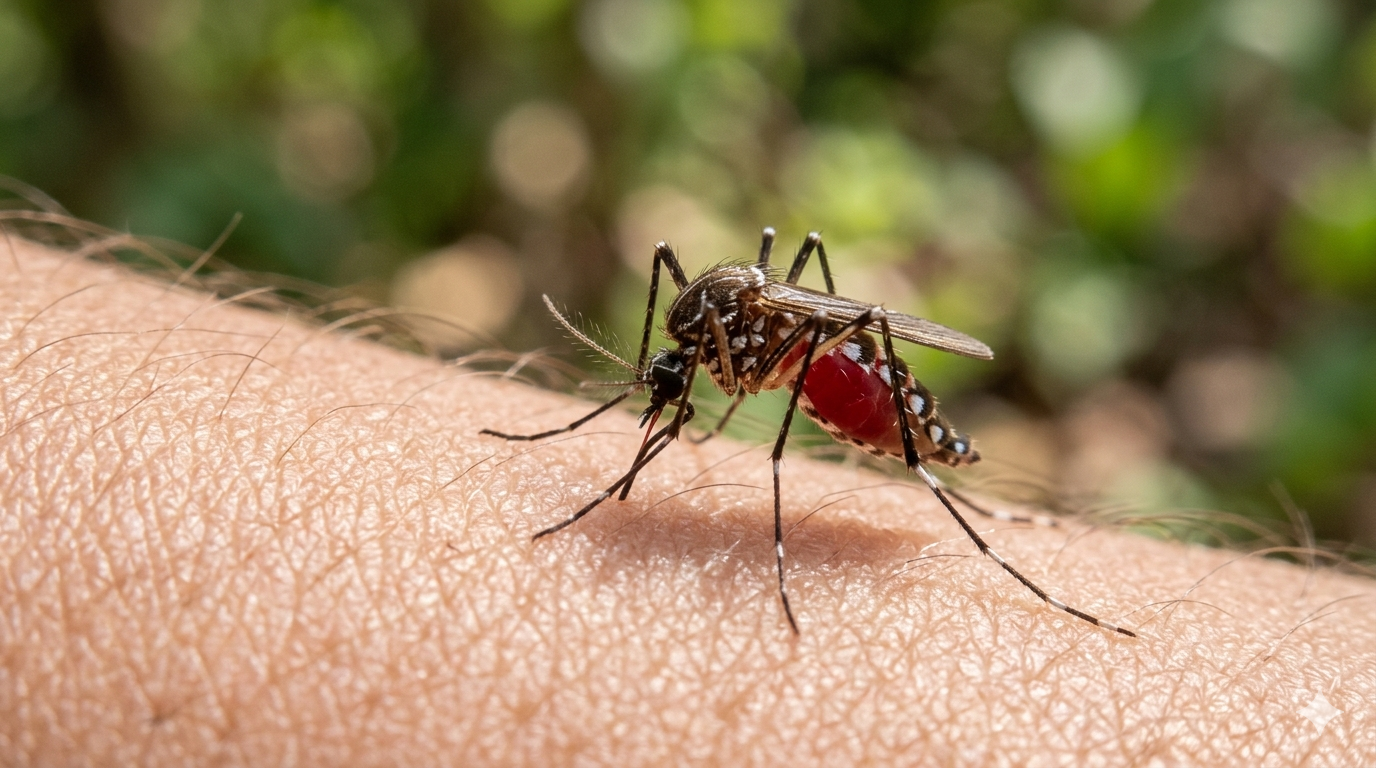
Delhi has reported 162 dengue cases and 42 malaria cases so far in 2026, according to the latest data released by the Municipal Corporation of Delhi (MCD). The report comes ahead of the monsoon season when there's a rise in mosquito-borne diseases due to water accumulation and increased mosquito breeding. Health officials have also noted that dengue remains the most common mosquito-borne disease in the city. The MCD data shows that Delhi has also reported nine chikungunya cases. During the latest reporting period, 10 new dengue cases were added, while three new malaria cases were reported.
Despite the rise in infections, the overall number of dengue and malaria cases remains lower than what was recorded during the same period last year. Authorities have continued surveillance and anti-mosquito drives across Delhi to keep the spread under control.
According to the MCD report, some areas of Delhi have reported more cases than others, with the West Zone recording the highest number of dengue and malaria infections. Authorities have conducted extensive inspections across the city to identify mosquito breeding sites. More than 8.3 lakh house visits were carried out in a recent week, and thousands of homes were found to have mosquito larvae.
Understanding Dengue And Malaria
Dengue and malaria are both mosquito-borne diseases, but they are caused by different pathogens. Dengue is caused by a virus and is spread by the Aedes mosquito, which usually bites during the daytime. Malaria is caused by parasites and spreads through the bite of infected Anopheles mosquitoes, which are more active at night.
Spotting the early signs can ensure timely medical treatment. Common symptoms of dengue include high fever, severe headache, pain behind the eyes, muscle and joint pain, nausea, vomiting, and skin rashes. Malaria symptoms often include fever, chills, sweating, headache, fatigue, body aches, and weakness. In some cases, symptoms may become severe if left untreated.
Precautionary Measures To Prevent Mosquito-Borne Disease
Following preventive measures and staying alert can significantly reduce the risk of dengue, malaria, and other mosquito-borne diseases.
1. Remove Stagnant Water Around Your Home
One of the most effective ways to prevent mosquito-borne diseases is to stop mosquitoes from breeding. Mosquitoes lay their eggs in stagnant water, which can collect in buckets, flower pots, coolers, bird baths, old tyres, and unused containers. Check your surroundings regularly and empty any standing water. Cleaning and drying water storage containers at least once a week can help break the mosquito breeding cycle.
2. Keep Water Storage Containers Covered
Many households store water in tanks, drums, or buckets. If these containers are left uncovered, they can become breeding grounds for mosquitoes. Always keep water tanks tightly sealed and cover buckets or other storage containers with lids. This simple step prevents mosquitoes from laying eggs and helps reduce their population.
3. Use Mosquito Repellents and Nets
Mosquito repellents provide an extra layer of protection against mosquito bites. Apply repellent creams, sprays, or lotions on exposed skin, especially when spending time outdoors. Sleeping under mosquito nets is also an effective way to avoid bites, particularly in areas where mosquitos are high in numbers.
4. Wear Full-Sleeved and Protective Clothing
Clothing can act as a barrier against mosquito bites. Wearing full-sleeved shirts, long pants, socks, and covered footwear reduces the amount of exposed skin. Loose-fitting clothes are often more comfortable and provide better protection. This can be useful during early morning and evening hours when mosquitoes are more active.
5. Clean Surroundings
A clean environment keeps away mosquito breeding. Regularly dispose of garbage, clear clogged drains, and remove unwanted items that can collect rainwater. Construction sites, vacant plots, and rooftop areas should also be monitored for water accumulation.
6. Install Screens and Use Indoor Protection
Mosquitoes can easily enter homes through open doors and windows. Installing mesh screens on windows and doors helps keep them out while allowing fresh air to circulate. Using mosquito coils, vaporisers, or insecticide sprays indoors can also help reduce mosquitoes.
Disclaimer: This content including advice provides generic information only. It is in no way a substitute for a qualified medical opinion. Always consult a specialist or your own doctor for more information. NDTV does not claim responsibility for this information.