

)
Sleep apnea is a sleep condition that is often triggered by a narrow or collapsing airway when you are asleep. The first NDTV Lifeline episode focuses on the issue where medical experts explain the extent to which sleep apnea can affect the sleep cycle and well-being of people. Sleep apnea remains undiagnosed in over 85% of patients, as per a review published in the Professional Society for Health Economics and Outcomes Research journal. Most importantly, people who have sleep apnea tend to experience symptoms such as snoring and daytime fatigue.
Sleep apnea is classfied as obstructive sleep apnea, when the airways become too narrow to breathe during the sleep cycle, leading to increasing resistance. The common risk factors that increase the chances of sleep apnea are obesity, weak throat muscles, and structural issues such as a different shape of tongue, jaw shape, or tonsils. If there is a possibility of sleep apnea, then the body may show signs such as loud snoring, breathing pauses during sleep, choking or gasping at night, morning headaches, daytime sleepiness.
How Throat Exercises Help Prevent Sleep Apnea
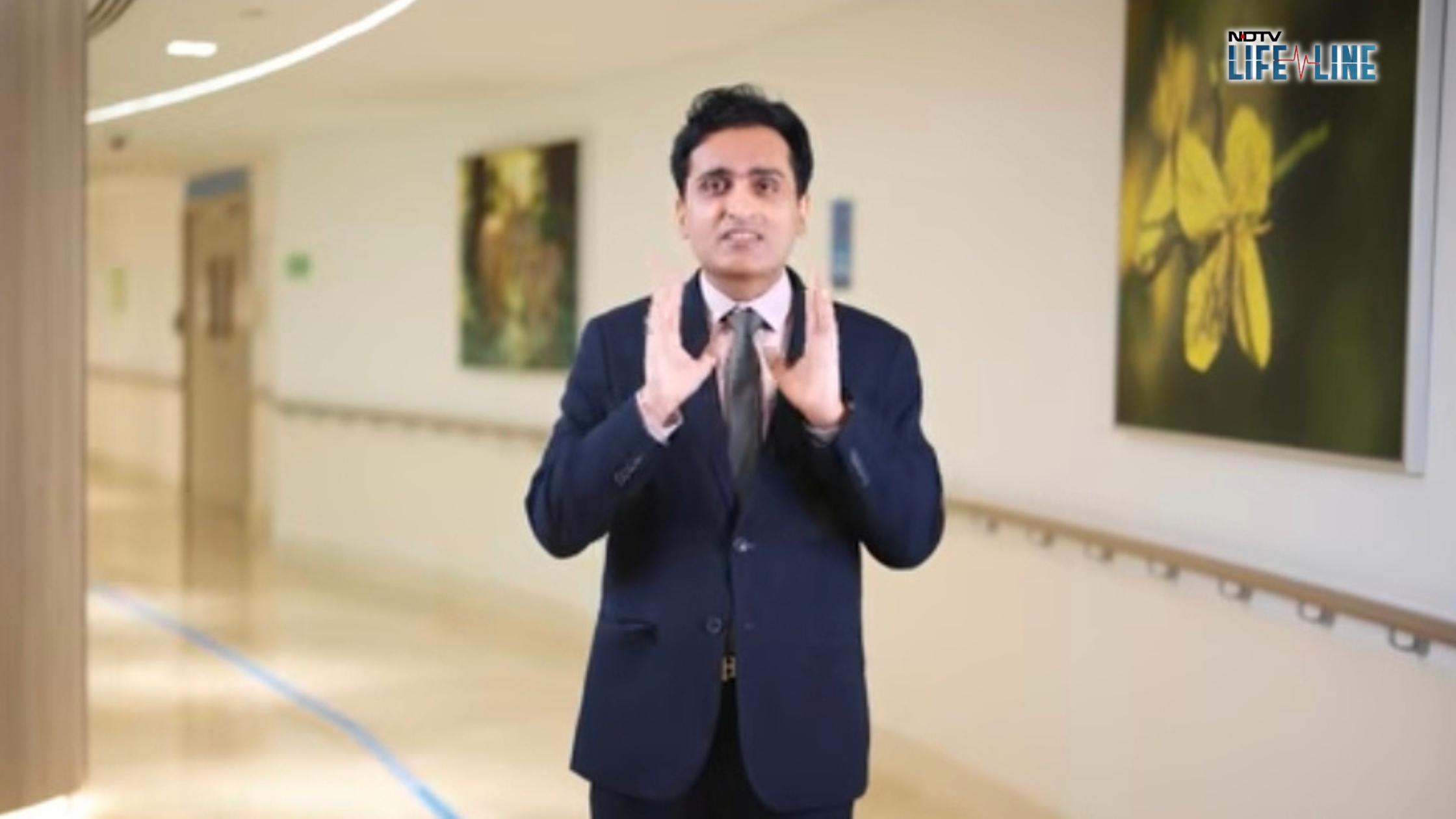
The NDTV Lifeline episode focused on how throat exercises could help prevent sleep apnea with medical insights from Dr Gopal Chawla, Department Head, Pulmonary Medicine, NMC Royal Hospital, DIP, Dubai. He talked about positional therapy, like sleep positions and the correct pillows, along with exercises to strengthen the mouth, throat, tongue, and palate.
Throat Exercises Suggested By Dr Gopal Chawla
The Sleep Foundation and the Sleep Apnea organisation have both listed certain throat exercises that could help reduce sleep apnoea, depending on how they are practised. Dr Gopal Chawla also explained the same in the episode where he detailed the following throat exercises that could benefit those with sleep apnoea:
1. Tongue Press Exercise
This exercise involves pressing your tongue firmly against the roof of the mouth and holding it for 10 seconds. You need to repeat this 5 times per session for effectiveness.
2. Vowel Repetition Workout
Repeat "A-E-I-O-U" loudly to activate throat muscles starting from the normal pace. Then you need to stretch each sound and say it faster with forceful pronunciation. Repetition of each vowel is a part of this exercise, which should be done 10-20 times per set.
This exercise improves muscle tone around the airway and reduces snoring and mild-to-moderate levels of sleep apnea in patients.
3. Soft Palate Lift
This exercise involves opening your mouth wide and forcefully saying "Ah" while lifting your soft palate (the back of the roof of the mouth). You need to hold the lift briefly and then relax. But repetition is needed with short holds for relief.
The timeline for this exercise to show results is as follows:
- You need to repeat it 10-20 times per set.
- Perform it 2-3 times on a daily basis.
- Include it within 10-15 minutes of the total throat exercise routine.
- Continue consistently for 3 months for visible benefits for mild to moderate sleep apnea.
Also Read: NDTV Lifeline: Why Millions Of Indians Sleep Every Night, But Never Rest
4. Tongue Slide
This exercise involves sliding your tongue backward along the palate. Here is how:
- You need to place the tip of your tongue behind your upper front teeth.
- Slowly slide the tongue backward along the roof of your mouth.
- Keep your tongue in contact with the palate throughout the time the exercise is being performed.
- Then, return to the starting position and repeat it 5-10 times per set.
- Perform it 2-3 times daily and include it within 10-15 minutes of the total airway exercise routine.
- Continue it for 3 months for measurable improvement in sleep apnea symptoms.
5. Balloon Blowing Exercise
The balloon-blowing exercise for sleep apnea encompasses the following steps:
- Sit upright and take a deep breath through the nose.
- Place a balloon in your mouth.
- Blow into the balloon to build airway strength using steady air pressure.
- Try to inflate it fully without removing it from your mouth.
- Rest and then repeat it to build airway resistance in a controlled manner.
6. Chewing Simulation
The exercise encompasses mimicking the act of chewing with your mouth closed. Here is how:
- You need to pretend you are chewing food without actually eating anything.
- Move your jaw up and down in a rhythmic motion.
- While chewing, you need to press your tongue against the roof of your mouth at regular intervals.
- Keep breathing through the nose while doing this exercise.
Dr Gopal Chawla explained, "These exercises help tone the muscles around the airway, reducing collapse risk during sleep. They are most effective in mild to moderate sleep apnea cases."
Also Read: NDTV Lifeline x Sleep Apnea: India's Hidden Health Epidemic In Focus
When Exercises Are Not Enough
These throat exercises, as per medical experts and clinical research, may not be enough under certain circumstances. If the rate of sleep apnea is severe, then a medical approach is needed for relief:
Severe sleep apnoea may need the following:
- CPAP therapy
- Weight management
- Surgery, in some cases, is required to correct the airway flow
A clinical sleep study diagnosis under a clinical setting is needed for sleep apnea relief.
Lifestyle Tips To Support Airway Health
To keep your airways healthy and make sure your sleep is not disrupted, you need to follow these lifestyle tips:
- Maintain a healthy weight
- Sleep on your side
- Avoid alcohol before bedtime
- Treat nasal congestion
Throat exercises are a low-cost, non-invasive tool to address moderate to mild sleep apnea. These exercises can help prevent or reduce sleep apnoea symptoms and should be a part of a broader sleep health strategy.
Disclaimer: This content including advice provides generic information only. It is in no way a substitute for a qualified medical opinion. Always consult a specialist or your own doctor for more information. NDTV does not claim responsibility for this information.