

)
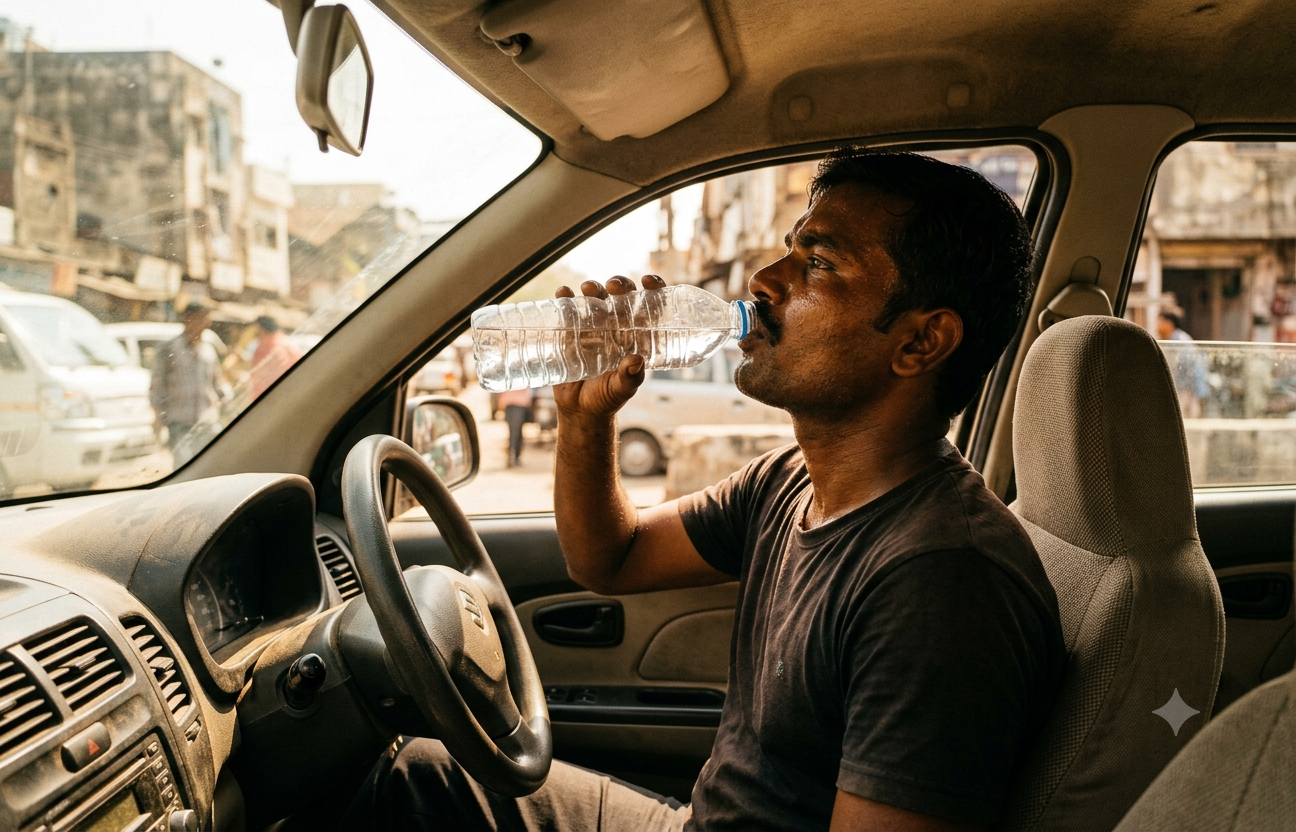
Many people believe that the water bottle left in their car is safe to drink. But research suggests otherwise, as drinking water left in a hot car can harm your hormonal health. The temperature inside parked vehicles can rise rapidly as they are enclosed spaces. The International Journal of Environmental Health suggests that leaving bottled water inside cars can expose you to harmful compounds. The process of plastic leaching happens, which causes the migration of chemicals from plastic water bottles into the water. The heat acts as a facilitator, and these chemicals are linked to hormone disruption.
Most people have the habit of drinking water from an old plastic bottle that is kept in their car. Recent research should make you rethink this habit if you want to minimise your risk of possible microplastic pollution inside your body.
What Happens To A Water Bottle Inside A Hot Car?
The car serves as a petri dish where heat acts as the reacting agent, and this causes the water to react with the water in the plastic water bottle. The plastic degrades under heat and slowly leeches into the water, also affecting the taste. The chemical properties change as well, which increases the chances of the liquid turning into a possible carcinogen or cancer-causing substance.
What Are Endocrine Disruptors?
The endocrine system is responsible for a lot of body processes, and when endocrine disruptors, such as chemical substances, enter the body, an imbalance occurs in the body. These chemicals are unpredictable, as their incidence may already be present in your body, and you may not know it.
The hormones send signals to each other to perform endocrine functions, which get disrupted as chemical leaching from plastics acts as a blockage. There is even clinical evidence in the Chemistry Africa journal that suggests that these chemicals can mimic, block, or even alter hormones.
Even low-level exposure over time may contribute to health concerns as the microplastic pollution compounds in your body.
How Heat Can Increase Chemical Migration From Plastic Bottles
The rise in temperatures breaks the molecular structure of the plastic bottles, as they are designed to be easily crushed after use. The plastic breaks down and releases chemical compounds into the water, and the risk increases with repeated ingestion of such water.
If you keep your drinking water in plastic bottles, especially in cars for convenience, then you may need to rethink this habit.
Which Chemicals Are Linked To Hormone Disruption?
There are various chemicals that are involved in the manufacturing of plastic bottles for drinking water. These chemicals pose grave health risks as per animal studies, but further investigation is necessary to directly say that drinking water from plastic bottles can increase your chances of cancer.
1. Bisphenol Compounds
The most common compound that is even used in manufacturing food-grade plastic is BPA. There are even more related compounds that have potential effects on oestrogen signalling pathways, which worsen with prolonged exposure.
2. Phthalates
A common plastic additive is associated with reproductive and metabolic concerns over time. The phthalates are responsible for harming reproductive functioning and the pace of metabolism.
3. Microplastics
There are a lot of research studies on microplastic pollution in humans that indicate that these tiny particles are ruining human health. It is found in drinking water, and the possible endocrine-disrupting effects of these substances have been documented in the International Journal of Molecular Sciences.
Also Read: Moringa Seeds May Remove Microplastics From Drinking Water: New Study
How Hormonal Imbalances Can Affect The Body
The resulting hormonal imbalances over prolonged exposure can cause the following serious health effects:
- Menstrual irregularities are affecting a significant portion of women and teen girls.
- Fertility concerns are rising as disorders related to the reproductive system are on the rise.
- Thyroid function changes that are giving rise to issues with autoimmune diseases are affecting people.
- Metabolic disturbances that can interfere with how the body processes food can arise.
- Mood and energy fluctuations can occur, which can worsen how you feel during the day.
Who Should Be Extra Careful?
All people should stay away from drinking water in plastic water bottles, but those who should be especially careful are:
- Pregnant women are at risk as well as the child they are carrying, as reports suggest that even the human placenta has microplastics.
- Children who have developing systems should be careful of their exposure to chemical leaching.
- People with hormonal disorders should get their internal plastic pollution checked.
- Individuals with thyroid conditions can experience worsening symptoms.
- Those frequently exposed to plastics as part of their daily routine.
Signs You May Be Overlooking Sources Of Endocrine Disruptors
The sources of endocrine disruptors can be many and may be present in your environment. You need to look at your habits and your kitchen for the most common sources. Here are the ways that you may be coming into contact with endocrine disruptors:
- Reusing old plastic bottles, which can increase the chances of chemical leaching.
- Leaving water in a parked car can make it worsen your gut.
- Heating food in plastic containers slowly leeches chemicals into the food that is being consumed.
- Using damaged plastic drinkware is another way that plastic chemicals may be entering your system.
Safer Ways To Store Water During Summer
You need to consider switching how you store drinking water in summers to make sure your exposure to chemicals in plastics is minimised. Here are the tips that can help with this:
1. Carry stainless steel bottles, as the metal protects the temperature and chemical composition of water from heat.
2. Store water in insulated containers that can regulate temperature without any risk of leeching.
3. Avoid leaving bottles in direct sunlight, as the chemical reactions can initiate health issues if done so.
1. Keep hydration supplies in shaded areas to make sure that your water storage is performed in a healthy manner.
When Should You Throw A Bottle Away?
You should throw a plastic bottle away if you notice these red flags to make sure you protect your internal health:
- Warped shape as the heat has deformed the structure.
- Cracked plastic, which means that the heat has entered the water.
- Discolouration, which suggests confirmed chemical leaching.
- An unusual smell is another sign that chemical leaching has taken place.
- The bottle is repeatedly exposed to heat and needs to be thrown away.
The plastic water bottle sitting in the corner of your car door needs to be thrown away, and you need to carry a fresh stainless steel bottle of water instead.
Disclaimer: This content including advice provides generic information only. It is in no way a substitute for a qualified medical opinion. Always consult a specialist or your own doctor for more information. NDTV does not claim responsibility for this information.