

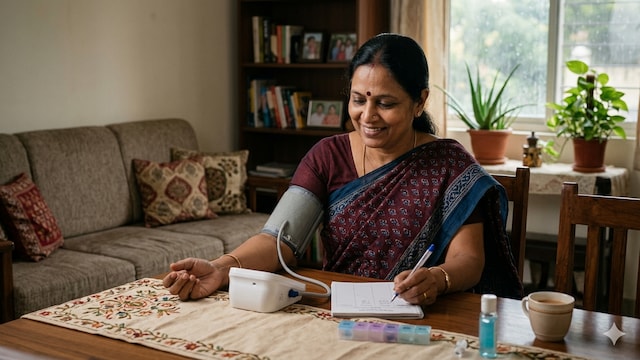
Maintaining healthy blood pressure is crucial for your heart and overall health. When left uncontrolled, high blood pressure, or hypertension, can lead to serious health issues such as heart disease, stroke, kidney damage, and other complications. Keeping blood pressure within a healthy range reduces the risk of these conditions and promotes overall cardiovascular health. Regularly checking blood pressure is one of the most effective tools for blood pressure management. It helps individuals monitor their numbers and identify any changes early. Since high blood pressure often doesn't show symptoms, routine checks can alert individuals to issues before they develop into more serious health concerns. This is particularly important for those with a family history of hypertension or related health issues.
What is the best time to check blood pressure?
Your blood pressure is not static. It naturally rises and falls in a predictable 24-hour cycle known as a circadian rhythm. As a result, checking your blood pressure at different times will yield very different results. Understanding these shifts helps prevent panic over a single high reading and ensures you are measuring at the right moments.
For the most reliable data, consistency in timing and environment is more critical than the exact hour. Measuring at the same times every day allows your doctor to see true patterns rather than random fluctuations.
The best time to check your blood pressure is twice a day: once in the morning and once in the evening, before eating or taking medications. This helps to establish a consistent baseline and can provide more accurate readings when the body is at rest. Additionally, it's beneficial to measure blood pressure while sitting quietly for about five minutes, using a cuff that fits properly and is placed on the bare upper arm.
- For morning: Take it 15 to 30 minutes after waking up, but before you eat breakfast, drink coffee, exercise, or take any morning blood pressure medications.
- For evening: Take it before dinner or right before bed after you have had time to unwind.
READ | Smartwatch vs Traditional Blood Pressure Monitor: Can Wearables Replace Cuffs?
Tips for accurate results:
Factors like posture, stress levels, and what you have recently consumed can affect blood pressure numbers. Follow this checklist to ensure your home readings are accurate:
1. Ensure that your blood pressure monitor is clinically validated and approved for use.
2. Sit in a quiet place and avoid talking, moving, or exercising immediately before taking your measurement.
3. Keep your feet flat on the floor, your back supported, and your arm rested at heart level.
4. Check your blood pressure at the same times each day for consistency.
5. Keep a log of your blood pressure measurements to discuss with your doctor during your appointments.
READ | Persistently High Blood Pressure Despite Medication? Doctor Explains Causes
These practices can help individuals effectively monitor and maintain their blood pressure within a healthy range.
Disclaimer: This content including advice provides generic information only. It is in no way a substitute for a qualified medical opinion. Always consult a specialist or your own doctor for more information. NDTV does not claim responsibility for this information.