

)
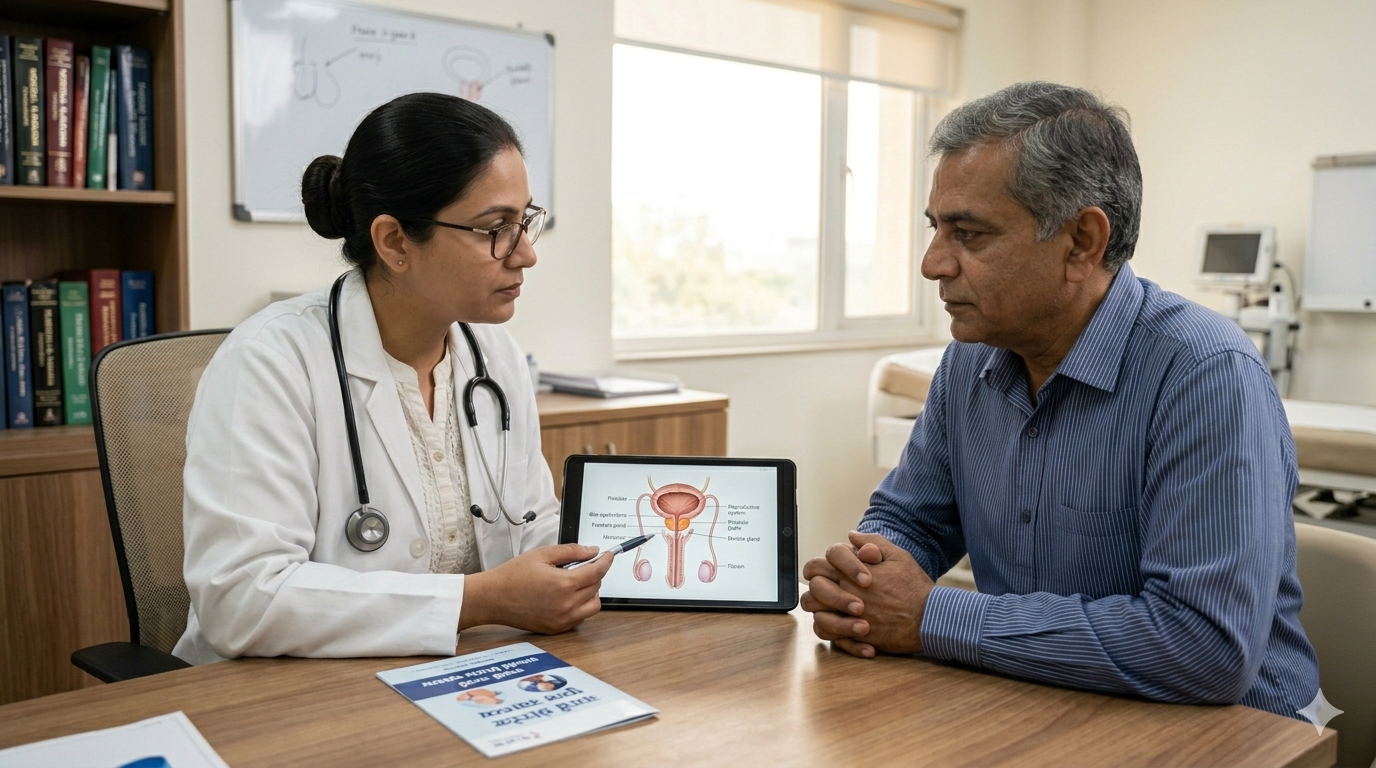
Many men delay getting their prostate checked until urinary problems begin affecting their daily lives. However, experts say early prostate evaluation can help identify common conditions, including an enlarged prostate and, in some cases, prostate cancer, before they become more serious. According to Dr. Piyush Varshney, Director, Urology, Fortis Hospital Noida, understanding what happens during a prostate check-up can help reduce anxiety and encourage more men to seek timely medical care. The prostate is a small gland located below the bladder that plays an important role in the male reproductive system. As men age, it is common for the prostate to enlarge, a condition known as benign prostatic hyperplasia (BPH).
Why Prostate Health Matters
"Many men tend to ignore their prostate health until they begin experiencing symptoms. However, regular prostate check-ups can help detect problems early, often before they become serious. While the thought of a prostate examination may cause anxiety, knowing what to expect can make the experience much easier," says Dr. Varshney.
Also read: How To Keep Your Prostate Healthy: 6 Tips From Wellness Guru
Symptoms You Shouldn't Ignore
An enlarged prostate is not always cancerous, but it can cause bothersome urinary symptoms that deserve medical attention. Common symptoms include:
- Frequent urination, especially at night
- Difficulty starting urination
- A weak or interrupted urine stream
- A feeling that the bladder is not completely empty
- Urgency to urinate
"Although these symptoms are often linked to a non-cancerous enlarged prostate, they should never be ignored," Dr. Varshney advises.
What Happens During A Prostate Check-up?
A prostate evaluation usually begins with a detailed discussion about your health. Your doctor will ask about:
- Urinary symptoms
- Medical history
- Family history of prostate disease or prostate cancer
- Current medications and supplements
This information helps determine whether further testing is required.
What Is The PSA Blood Test?
One of the most commonly recommended investigations is the Prostate-Specific Antigen (PSA) blood test. PSA is a protein produced by the prostate gland. While higher-than-normal PSA levels may raise concern, they do not automatically indicate prostate cancer.
"An elevated PSA level does not always mean prostate cancer, but it can indicate the need for further evaluation," explains Dr. Varshney. Your doctor will interpret the result alongside your age, symptoms, medical history, and physical examination.
What Is A Digital Rectal Examination (DRE)?
Some men may also undergo a Digital Rectal Examination (DRE) during the consultation. During this quick examination, the doctor gently inserts a gloved, lubricated finger into the rectum to assess the size, shape, and texture of the prostate.
"Although many men feel nervous about this test, it is quick, generally not painful, and provides valuable information about the size and condition of the prostate," says Dr. Varshney.
Also read: Prostate Health: Early Signs, Screening, And Treatment Awareness
How Should You Prepare For Your Appointment?
Most prostate check-ups require no special preparation. However, Dr. Varshney recommends:
- Being honest about your urinary symptoms
- Informing your doctor about all medications and supplements you take
- Sharing any family history of prostate cancer or prostate problems
- Asking questions if you have concerns about the examination or tests
Who Should Consider Prostate Screening?
Not every man requires routine screening at the same age. According to Dr. Varshney:
- Men aged 50 years and above should discuss prostate screening with their doctor.
- Men with a family history of prostate cancer may benefit from starting these discussions around 45 years of age.
The decision to undergo screening should be made after considering individual risk factors and discussing the benefits and limitations with a healthcare professional.
"Looking after your prostate is an important part of maintaining your overall health. Early assessment can lead to timely treatment and better outcomes, giving men greater peace of mind and helping them maintain a good quality of life," concludes Dr. Varshney.
Experts emphasise that prostate check-ups are usually straightforward, quick, and potentially lifesaving. Seeking medical advice early, rather than waiting for symptoms to worsen, remains the best way to protect long-term prostate health
Disclaimer: This content including advice provides generic information only. It is in no way a substitute for a qualified medical opinion. Always consult a specialist or your own doctor for more information. NDTV does not claim responsibility for this information.