

World COPD Day is an annual global awareness event dedicated to improving the understanding, prevention, and care of Chronic Obstructive Pulmonary Disease (COPD). COPD Day is observed every year on the third Wednesday of November. This year it falls on November 18. Although COPD is preventable and treatable, widespread underdiagnosis and misdiagnosis often delay treatment until the disease has significantly progressed.
COPD is a progressive, long-term lung condition that blocks airflow and makes it increasingly difficult to breathe.
"Chronic Obstructive Pulmonary Disease (COPD) is a progressive lung condition that affects millions of people, often making even routine activities like walking, climbing stairs or getting dressed a challenge. While COPD cannot be completely reversed, small, consistent lifestyle changes can significantly improve breathing, reduce flare-ups and enhance quality of life," explains Dr. Vivek Nangia, Vice Chairman and Head, Pulmonology at Max Super Speciality Hospital, Saket.
What are the symptoms of COPD?
Symptoms usually develop slowly over several years and often do not appear until significant lung damage has occurred:
- Shortness of breath
- Chronic cough
- Excess mucus production
- Wheezing
- Chest tightness
- Frequent respiratory infections
- Low energy and fatigue
Symptoms in advanced stages
As the disease progresses, more severe signs may appear:
- Unintended weight loss
- Swelling in the lower body
- Bluish tint to the skin
Dr. Nangia further shared the following tips to manage the condition effectively
1. Quit smoking - the single most important step
Smoking is the leading cause of COPD, and quitting remains the most effective intervention to slow disease progression. Even long-term smokers benefit from quitting, regardless of their age or disease severity. Avoiding second-hand smoke, dust, fumes and other respiratory irritants is equally important.
2. Stay active, even if you feel breathless
Many COPD patients avoid physical activity for fear of breathlessness. Unfortunately, inactivity leads to muscle weakness and worsens exercise tolerance. Regular walking, gentle strengthening exercises and supervised pulmonary rehabilitation can significantly improve stamina and confidence.
3. Learn to breathe more efficiently
Simple techniques such as pursed-lip breathing can help reduce breathlessness, particularly during physical exertion. Breathing out slowly through pursed lips helps prevent premature airway collapse and improves comfort.
4. Pay attention to nutrition
Maintaining a healthy body weight is essential. Being overweight increases the effort required for breathing, while being underweight can weaken respiratory muscles. Small, frequent, nutritious meals may also help patients who become breathless while eating.
5. Protect your lungs from infections and pollution
Influenza, pneumococcal, Covid-19 and other recommended vaccinations can help prevent serious respiratory infections. On days with severe air pollution, limiting outdoor exposure, avoiding strenuous outdoor exercise and using a well-fitted N95 mask when necessary can reduce exposure to harmful particles.
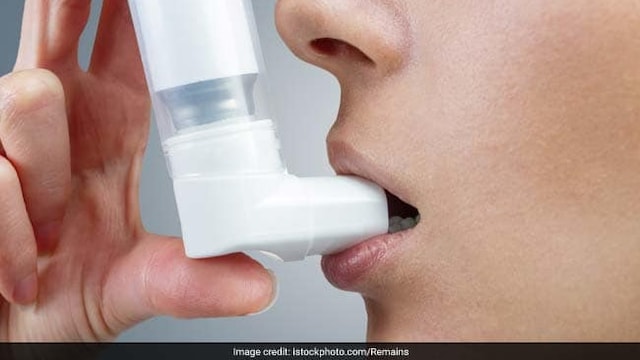
6. Use inhalers correctly and consistently
Proper inhaler technique is just as important as the medication itself. Patients should regularly have their technique checked and should not discontinue prescribed inhalers simply because they feel better.
People with COPD also experience flare-ups or exacerbations where symptoms suddenly worsen for several days due to infections, pollution, or weather changes. In such situations, it is crucial to stay in touch with a doctor to manage symptoms effectively.
Disclaimer: This content including advice provides generic information only. It is in no way a substitute for a qualified medical opinion. Always consult a specialist or your own doctor for more information. NDTV does not claim responsibility for this information.