

)
Cholesterol is needed in the body, and it nourishes the heart with its beneficial properties, as it contains proteins that improve heart health. But when this cholesterol, the bad or LDL, is present, it is referred to on a blood lipid profile; it deposits in the heart as plaque, causing an increased risk of strokes, heart attacks, and artery disease. While eating healthy foods that are rich in healthy fats can lower your bad cholesterol and increase good cholesterol, it is also important to consider that fibre intake is linked to cholesterol in many ways.
There is clinical evidence in the Frontiers of Nutrition Journal that suggests that fibre intake is tied to lower cholesterol levels, which means that your daily intake of fibre needs to be balanced for your heart health. Cholesterol management requires focusing on multiple dietary choices, and fibre intake is one of them, as about 5g of soluble fibre a day can reduce your cholesterol levels by 6.11%.
How Does Fibre Help Lower Cholesterol?
The exact fibre type that helps lower cholesterol is the one that can absorb water and form a gel inside the body. Soluble fibre is what binds to cholesterol-rich bile acids in the digestive tract and manages cholesterol. It also helps the liver use more cholesterol in the blood to produce more bile acids.
What Does Research Say About Fibre And Cholesterol?
The American Journal of Clinical Nutrition pinpoints that eating soluble fibres such as psyllium husk, oat bran, pectin, and guar gum can lower your total cholesterol and reduce LDL cholesterol as well.
Dietary fibre benefits are limited to health food sources whose nutritional quotient is to be regulated by the daily choices made by individuals.
Best Fibre-Rich Foods To Lower Cholesterol Naturally
The foods that can naturally help you lower your cholesterol levels are as follows:
- Oats
- Barley
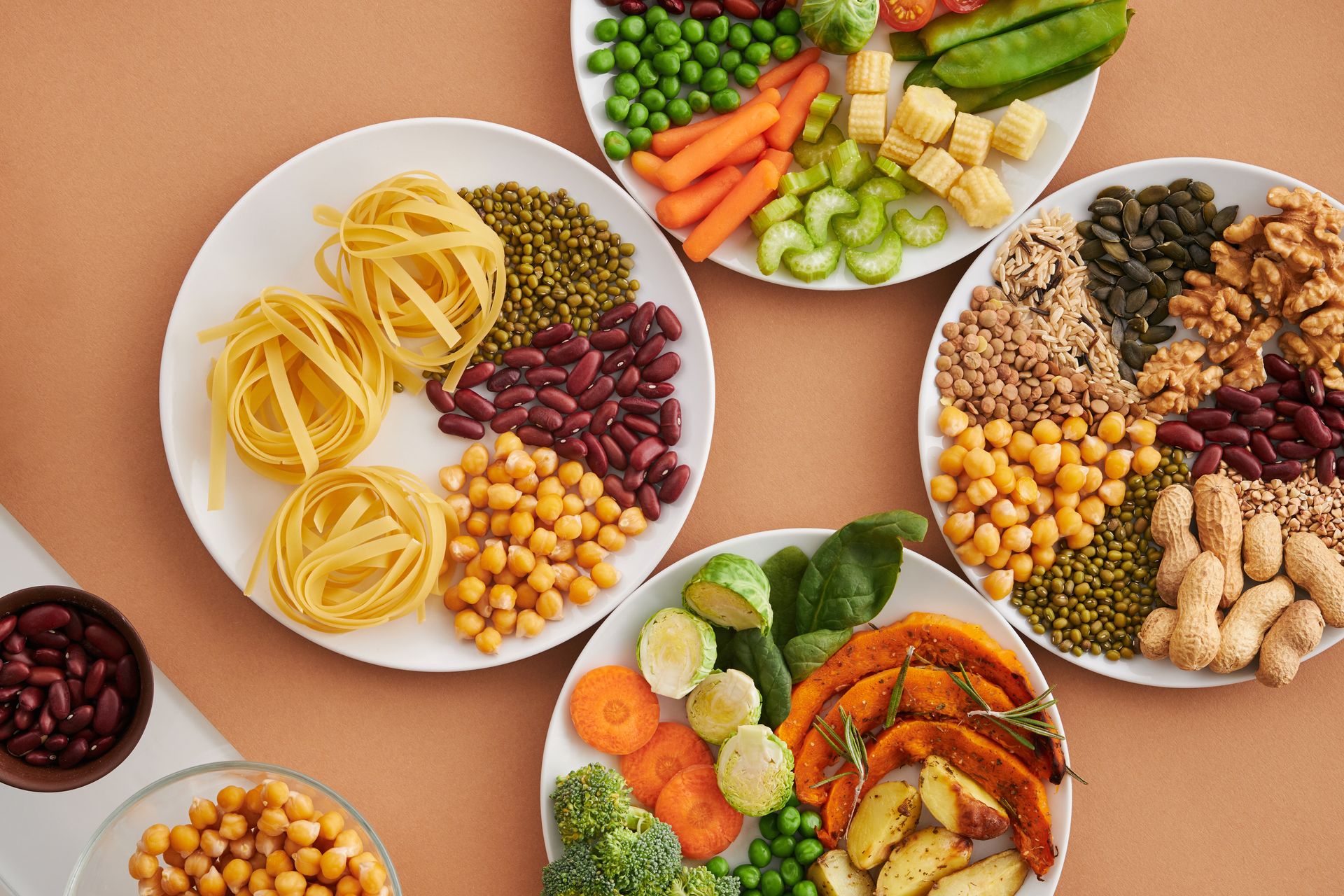
- Lentils and Beans
- Chia Seeds and Flaxseeds
- Apples and Pears
- Vegetables
- Psyllium Husk
These high-fibre foods need to be eaten in moderation to lower your bad cholesterol.
How Much Fibre Do Adults Need Every Day?
According to the Indian Council of Medical Research (ICMR) and National Institute of Nutrition (NIN), healthy adults need about 25-40 g of fibre daily, depending on their intake of foods.
Most people fall short of meeting this requirement, as their daily diet doesn't include any fibre-rich foods.
How Long Does It Take Fibre To Lower Cholesterol?
The time duration that fibre intake needs to lower your cholesterol levels depends on the type of fibre that you eat. For soluble fibre, the British Journal of Nutrition has suggested the timeframe is between 3 and 12 weeks, where 3.5 g of oat beta-glucan fibre is being eaten daily.
Fibre intake needs to be combined with healthy fats and daily exercise for maximum results.
Can Fibre Alone Replace Medication?
No, medication is needed to lower cholesterol, but a mild elevation can benefit from an increased fibre intake. Those who are at high-risk of heart disease need medical supervision and a dedicated nutritional chart to lower their cholesterol levels.
Fibre-Rich Indian Foods For Cholesterol Management
There are natural fibre-rich foods that could be used for cholesterol management in the Indian traditional diet. These foods are as follows:
- Whole wheat
- Bajra
- Jowar
- Rajma
- Chana
- Moong dal
- Guava
- Pear
- Oats
Note: Viscous fibre is a subtype of soluble fibre that forms a thick gel in the intestine that can provide about 5-10 g of dietary fibre. For a heart-healthy diet, you can make use of this fibre subtype that is present in oats, barley, psyllium husk, lentils, chickpeas, and other foods.
Common Mistakes People Make When Increasing Fibre Intake
When people actively try to increase their fibre intake, they tend to make mistakes that can cause side effects. Here are the mistakes to avoid:
- Increasing fibre too quickly can lead to fibre rejection.
- Not drinking enough water doesn't help the fibre be digested.
- Relying solely on supplements can backfire.
- Ignoring overall diet quality can cause mixed results with cholesterol management.
Tips To Increase Fibre Without Digestive Discomfort
You can add high-fibre foods safely to your diet by making smart choices such as the following:
- Add oats to breakfast.
- Include legumes daily.
- Eat fruit with skin.
- Swap refined grains for whole grains.
- Gradually increase fibre intake.
A heart-healthy diet doesn't need to be too complicated, but daily fibre intake needs to be balanced and adequate.
Also Read: How To Calculate Your Cholesterol Ratio And What It Means For Your Heart Health
Disclaimer: This content including advice provides generic information only. It is in no way a substitute for a qualified medical opinion. Always consult a specialist or your own doctor for more information. NDTV does not claim responsibility for this information.