

)
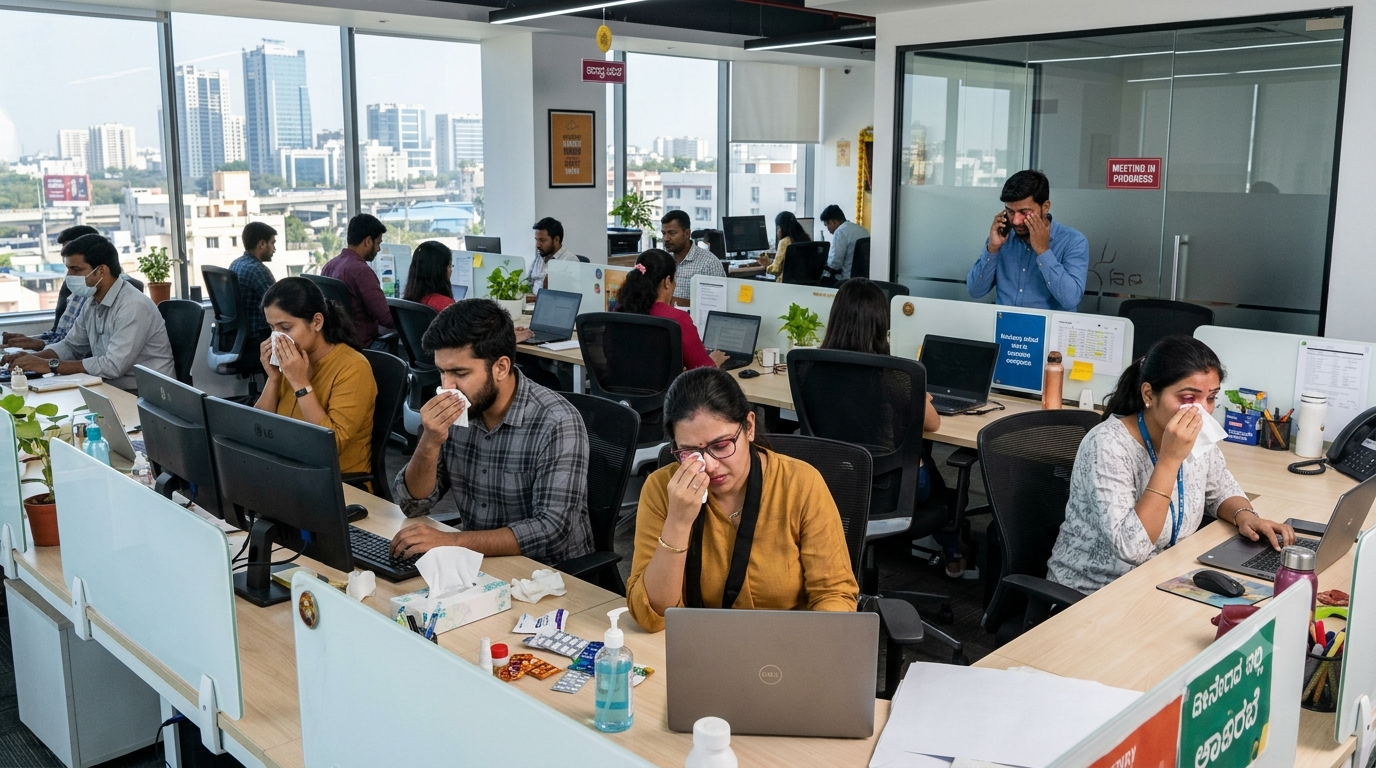
The daily commute, crowded elevators, shared workstations, air-conditioned meeting rooms and office pantries can all become hotspots for infections during the monsoon. Add fluctuating temperatures, damp clothes, poor ventilation and frequent close contact with colleagues, and the rainy season becomes an ideal time for viruses, bacteria and fungi to spread. India already bears a significant burden of seasonal infectious diseases. According to data reported through the Integrated Disease Surveillance Programme (IDSP), the country recorded more than 17 million cases of major water-borne diseases between 2021 and 2025, including acute diarrhoeal disease, typhoid, hepatitis A & E, cholera and leptospirosis.
While many people associate monsoon illnesses with mosquito bites or contaminated water, experts say workplaces are often overlooked as places where respiratory viruses, stomach infections and even eye infections spread rapidly through close contact and shared surfaces.
Here's a closer look at eight illnesses that can spread more easily among office-goers and the precautions that can reduce your risk.
1. Influenza (Seasonal Flu)
Cause
How it spreads in offices
- Coughing and sneezing
- Poorly ventilated meeting rooms
- Shared desks and elevators
- Close conversations
Symptoms
- Sudden fever
- Body ache
- Sore throat
- Cough
- Fatigue
Prevention
- Wash hands frequently
- Stay home if you have fever
- Improve indoor ventilation
Consider annual influenza vaccination, especially if you're older or have chronic illnesses
2. COVID-19
Although no longer a public health emergency, SARS-CoV-2 continues to circulate and can cause seasonal surges.
Symptoms
- Fever
- Sore throat
- Cough
- Fatigue
- Loss of smell or taste (less common than before)
Prevention
- Stay home when ill
- Improve ventilation
- Wear a mask if symptomatic
- Keep vaccinations up to date
3. Viral Conjunctivitis (Pink Eye)
One infected colleague touching shared surfaces can facilitate conjunctivitis transmission if others then touch their eyes.
Symptoms
- Red eyes
- Watering
- Irritation
- Swollen eyelids
- Eye discharge
Prevention
- Avoid touching your eyes
- Wash hands regularly
- Do not share towels or cosmetics
- Disinfect frequently touched surfaces
Also Read: Doctors Are Reporting A Spike In Viral Fever, Influenza-Like Illnesses: Symptoms To Watch Out For
4. Viral Gastroenteritis
Office pantries and shared lunches can become sources of norovirus and other infections if food hygiene is poor.
Symptoms
- Loose stools
- Vomiting
- Stomach cramps
- Fever
- Dehydration
Prevention
- Wash hands before eating
- Avoid stale food
- Drink safe water
- Clean shared kitchen areas regularly
5. Common Cold
Unlike influenza, the common cold is usually milder but highly contagious.
Symptoms
- Sneezing
- Runny nose
- Mild cough
- Nasal congestion
Prevention
- Maintain hand hygiene
- Avoid touching your face
- Cover coughs and sneezes
- Clean keyboards, phones and desk surfaces
6. Fungal Skin Infections
Unlike respiratory infections, fungal infections don't spread through office air-but damp clothes, sweaty shoes and humid weather increase the risk.
Symptoms
- Itching
- Ring-shaped rashes
- Redness
- Peeling skin
Prevention
- Keep feet dry
- Change wet socks promptly
- Wear breathable footwear
- Avoid sharing towels or gym equipment
7. Hand, Foot and Mouth Disease (HFMD)
Often thought of as a childhood illness, adults can also become infected, especially parents exposed to infected children.
Symptoms
- Fever
- Mouth ulcers
- Rash on hands and feet
Prevention
- Wash hands thoroughly
- Avoid close contact with infected individuals
- Disinfect shared surfaces
8. Leptospirosis
This infection doesn't spread from colleagues, but monsoon commuting increases exposure to leptospirosis. Walking through floodwater contaminated with the urine of infected rodents can transmit the bacteria. Offices in flood-prone cities may see more cases after heavy rains.
Symptoms
- High fever
- Severe muscle pain (especially calves)
- Headache
- Red eyes
- Vomiting
- Jaundice in severe cases
Prevention
- Avoid walking through floodwater where possible
- Wear waterproof footwear
- Clean cuts immediately
- Seek medical attention if fever develops after floodwater exposure
Leptospirosis remains a significant monsoon concern in India, particularly after flooding and waterlogging.
Also Read: Monsoon Fever? Here's How Doctors Tell A Cold From Dengue Or Typhoid
Office Habits That Increase Your Risk
Many infections spread because of everyday workplace behaviours, including:
- Eating lunch at your desk
- Sharing water bottles or cutlery
- Touching your face after using shared equipment
- Poor ventilation in meeting rooms
- Coming to work despite fever or diarrhea
- Not disinfecting phones, keyboards and mice
How To Stay Healthy At Work This Monsoon
Simple habits can significantly reduce your risk:
- Wash your hands with soap or use alcohol-based sanitiser regularly
- Keep your workstation clean
- Stay hydrated and eat freshly prepared meals
- Avoid sharing personal items
- Dry wet shoes and socks promptly after commuting
- Open windows where possible to improve airflow
- Stay home if you develop a fever or other contagious symptoms
The monsoon transforms offices into ideal environments for many infections, not because rain itself causes illness, but because crowded indoor spaces, poor ventilation, damp conditions and shared surfaces make it easier for germs to spread. While illnesses such as influenza, conjunctivitis and viral gastroenteritis can pass from person to person in the workplace, others like fungal infections and leptospirosis are linked to humid conditions and monsoon commuting. The good news is that many of these illnesses are preventable. Practising good hand hygiene, staying home when sick, improving ventilation and seeking early medical care for persistent symptoms can go a long way in protecting both individual and workplace health.
Disclaimer: This content including advice provides generic information only. It is in no way a substitute for a qualified medical opinion. Always consult a specialist or your own doctor for more information. NDTV does not claim responsibility for this information.