

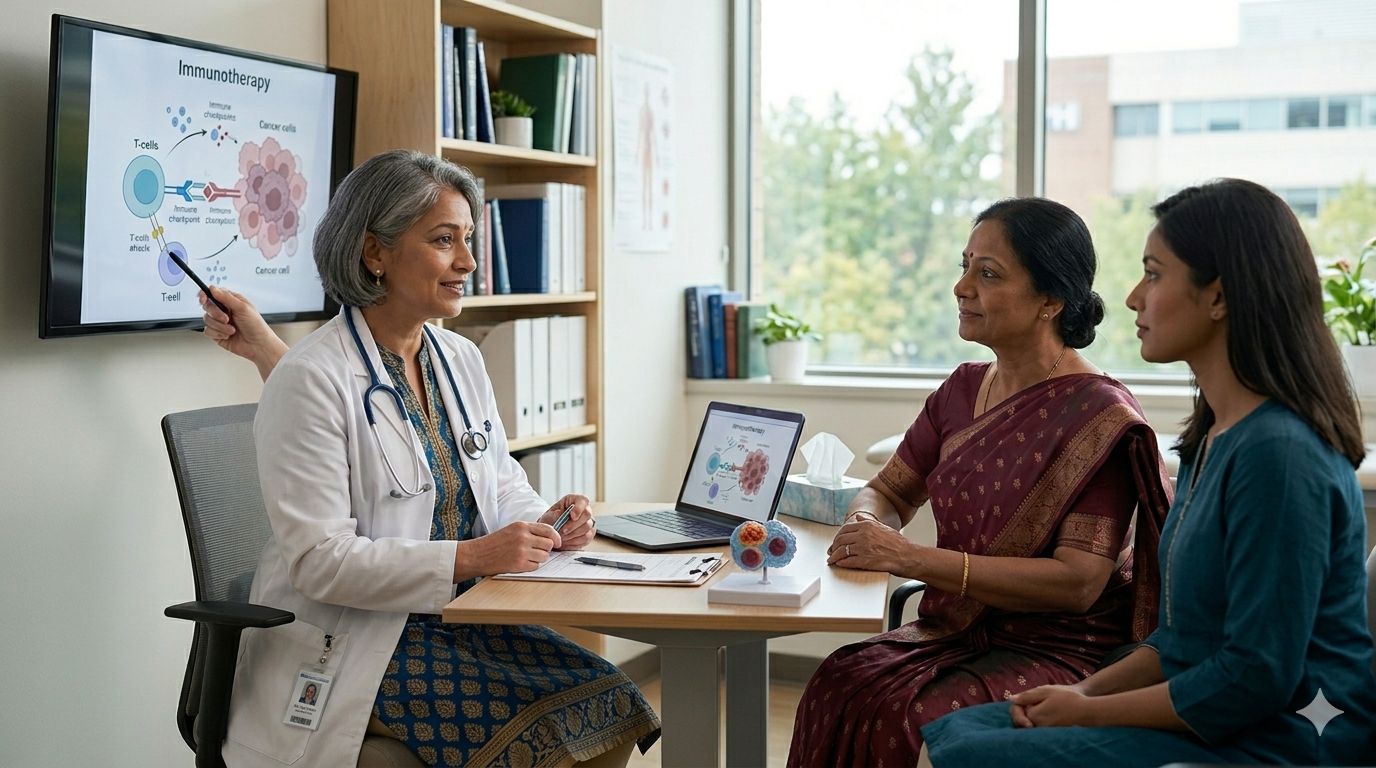
)
Leukemia is a serious blood cancer disorder that begins in the bone marrow. The disease can produce a high number of abnormal cells in the body and affect how your body functions. The current treatment options for leukemia are complex, as per the Bone Marrow Transplantation Journal, as the disease can affect your entire body. The process for cancer care is complex, as it can lead to health complications that can arise from the serious disease.
The journey of cancer care is individualised as people need to be focused on getting timely treatment. Current treatment options for leukemia depend on mutations, age, fitness levels, and exactly when the disease is diagnosed, or when the patient suffers from a relapse. In 2026, care for leukemia could shift from chemotherapy as it needs the practice of precision medicine and immunotherapy.
Understanding Leukemia And Lymphoma
Dr Pawan Kumar Singh, Vice Chairman, BMT, ShardaCare - Healthcity shares, " Treatment for leukemia and lymphoma has changed significantly in recent years, with therapies becoming more targeted, personalised and effective. However, there is no single treatment that works for every patient. The choice depends on the exact type and subtype of cancer, its stage or risk category, genetic and molecular features, age, overall health and previous treatment history."
The Cureus Journal explains that leukemia actually begins in the bone marrow and can result in uncontrolled production of abnormal blood cells. It tends to differ from lymphoma as it is a type of cancer that could form solid tumours within your lymphatic system.
How Blood Cancer Treatment Has Changed In Recent Years
Dr Pawan Kumar Singh explains, " For many leukemias, *targeted therapies* have transformed treatment. These medicines are designed to act on specific abnormalities driving cancer growth, allowing doctors to treat the disease more precisely than with conventional chemotherapy alone. In some forms of leukemia, targeted oral medicines can keep the disease under long-term control and may significantly reduce the need for intensive chemotherapy."
The chemotherapy-only approaches can cause side effects that need to be managed by a medical specialist. This is important as cancer care requires precision medicine could cause a difference in survival rates.
Targeted Therapy For Leukemia And Lymphoma
Dr Pawan Kumar Singh explains, " One of the most important developments is "CAR-T cell therapy, a form of personalized cellular therapy in which a patient's immune cells are collected, genetically modified to recognise cancer cells and then infused back into the body. It has shown remarkable results in selected cases of relapsed or treatment-resistant leukemia and lymphoma. However, it is an advanced treatment requiring specialised centres and careful monitoring because it can cause significant immune-related side effects."
Dr Pawan Kumar Singh also highlights, " One of the most important developments is CAR-T cell therapy, a form of personalised cellular therapy in which a patient's immune cells are collected, genetically modified to recognise cancer cells and then infused back into the body. It has shown remarkable results in selected cases of relapsed or treatment-resistant leukemia and lymphoma. However, it is an advanced treatment requiring specialised centres and careful monitoring because it can cause significant immune-related side effects."
CAR T-Cell Therapy: A Major Breakthrough
" One of the most important developments is CAR-T cell therapy, a form of personalized cellular therapy in which a patient's immune cells are collected, genetically modified to recognise cancer cells and then infused back into the body. It has shown remarkable results in selected cases of relapsed or treatment-resistant leukemia and lymphoma. However, it is an advanced treatment requiring specialised centres and careful monitoring because it can cause significant immune-related side effects," explains Dr Pawan Kumar Singh.
Stem Cell And Bone Marrow Transplants
Dr Pawan Kumar Singh also shares, " Stem cell transplantation continues to have an important role, particularly in high-risk or relapsed leukemia and selected lymphoma patients. Advances in transplant techniques and supportive care have made the procedure safer for appropriately selected patients.
Chemotherapy and radiation therapy have not disappeared. They remain important components of treatment, either alone or in combination with newer therapies. Increasingly, doctors use combinations tailored to the patient's disease biology rather than relying on a one-size-fits-all approach."
The American Society of Hematology Journal suggests that the outcome of stem cell transplantation could remain an important treatment for high-risk blood cancers.
Precision Medicine And Genetic Testing
Dr Pawan Kumar Singh also highlights, " Chemotherapy and radiation therapy have not disappeared. They remain important components of treatment, either alone or in combination with newer therapies. Increasingly, doctors use combinations tailored to the patient's disease biology rather than relying on a one-size-fits-all approach."
Furthermore, there is a need to match the exact treatment options with genetic mutations that can differ from person to person.
Lifestyle And Supportive Care During Treatment
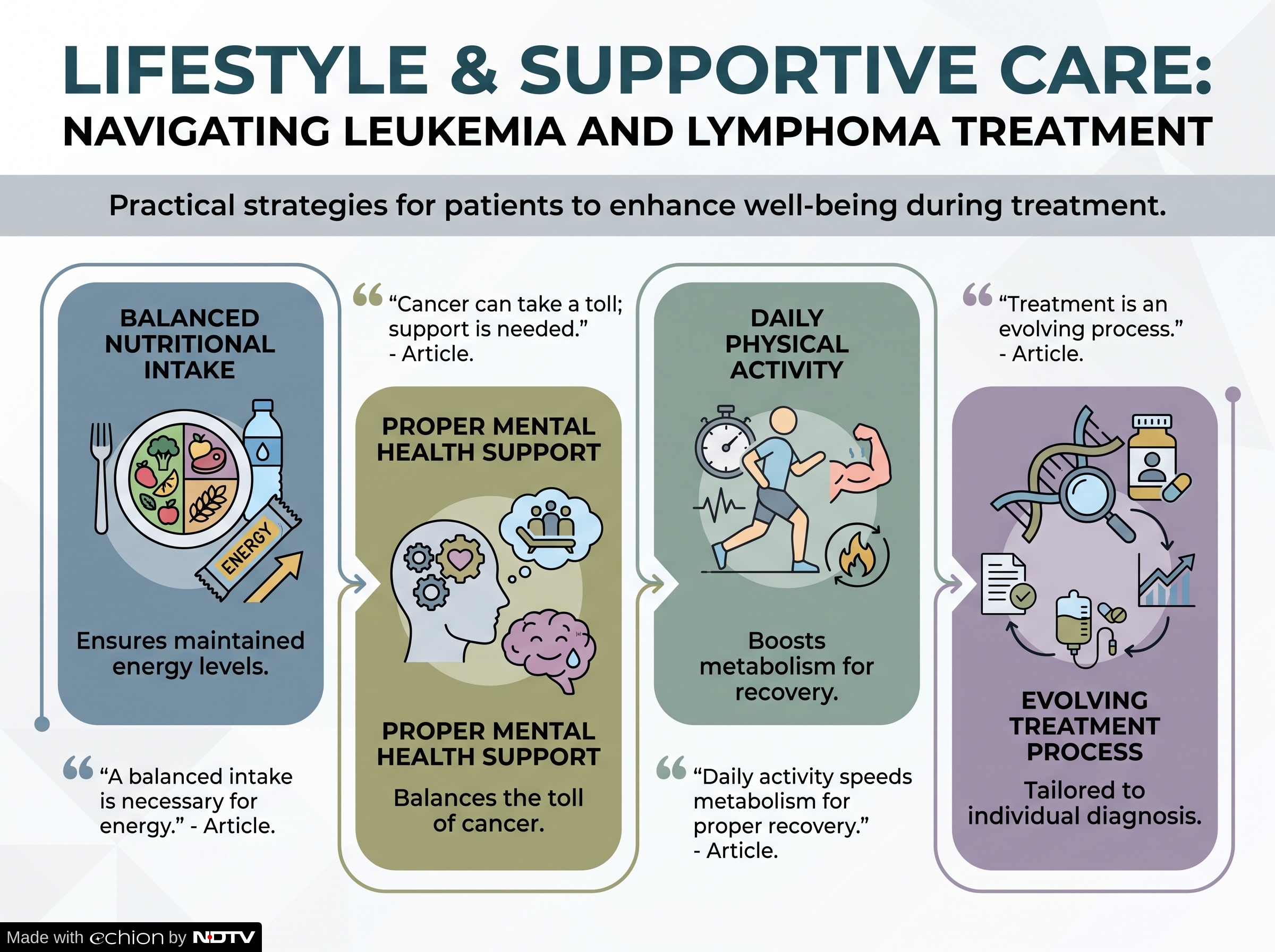
You could practise lifestyle and supportive care for leukemia and lymphoma in various practical ways to make it better for patients.
Here are some ways to do so, as people who have leukemia and lymphoma need to be careful of the following aspects:
- A balanced nutritional intake is necessary as people need a balance to make sure that their energy levels are maintained.
- Proper mental health support is necessary as people need to make sure that there is a balance, as cancer can take a toll.
- Maintaining daily physical activity is also necessary as people need their metabolism to be faster for proper recovery.
- Blood cancer treatment is an evolving process wherein the patient needs to be treated according to their diagnosis.
The constantly evolving nature of blood cancer treatment could provide better-suited patient outcomes. For those who are dealing with a diagnosis of leukemia and lymphoma, the severity of the cancer, where it is located, and specialist care are necessary.
Also Read: H1N1 Fever Relief: When To Use Paracetamol And When You Need Antivirals
Disclaimer: This content including advice provides generic information only. It is in no way a substitute for a qualified medical opinion. Always consult a specialist or your own doctor for more information. NDTV does not claim responsibility for this information.