
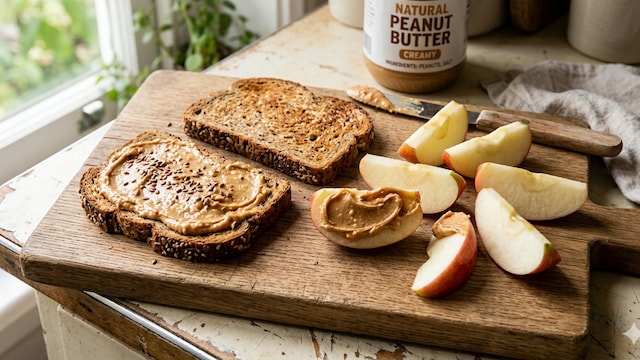
For effective weight loss, it is important to burn more calories than you consume. Calorie counting plays a crucial role in this process, as it helps individuals make informed food choices. Creating a calorie deficit encourages people to make healthier food choices, practice portion control, and ultimately develop a better relationship with food. Peanut butter is a popular choice among those who are trying to lose weight, particularly due to its high-protein content. Additionally, it is a good source of fibre and healthy fats, which can all contribute to feelings of fullness and satisfaction. However, peanut butter is also high in calories. A standard serving of two tablespoons of peanut butter contains around 190 to 200 calories. So is it really weight-loss friendly?
Can peanut protein help you lose weight?
While peanut butter is undeniably high in calories, it is considered weight-loss friendly. However, moderation is key.
- The combination of protein, fat, and fibre prevents rapid blood sugar spikes and crashes. Its high nutrient density offers a powerful effect on satiety. As a result, peanut butter keeps you full far longer than high-carbohydrate snacks.
- Peanut butter is rich and satisfying, which can make calorie deficit feel less punishing, helping you stick to your weight loss plan over time.
- Protein-dense foods require more energy for your body to digest. This gives peanut butter a higher thermic effect compared to simple carbohydrates, slightly boosting your metabolic rate.
Tips to use peanut butter effectively for weight loss
-
Always measure your portions
Never eat straight out of the jar. A spoonful scooped carelessly can easily equal 300+ calories. Use a level measuring tablespoon and stick to 1-2 tablespoons per day.
-
Read the ingredient label
Choose natural peanut butter that contains minimal added sugars and preservatives. Opt for varieties that contain just peanuts and possibly a bit of salt. Avoid commercial brands that add hydrogenated vegetable oils, palm oil, or refined sugars, which introduce unnecessary empty calories.
-
Pair with fibre
Do not eat it alone or pair it with high-sugar foods like jam. Instead, spread it onto fibre-rich apple slices, celery sticks, or a slice of whole-grain toast to maximise its filling power.
-
Balance your diet
Ensure that peanut butter is part of a well-rounded diet that includes plenty of fruits, vegetables, whole grains, and lean proteins.
-
Timing
Use peanut butter as a snack rather than a meal's main component. This can help keep calorie counts lower while still providing energy.
Peanut butter contains 7-8 grams of protein, 2-3 grams of fibre and 16 grams of healthy fats. While calorie counting is important for weight loss, peanut butter can definitely fit into a healthy diet when consumed in moderation and paired with other nutritious foods.