

)
India has achieved an important milestone by successfully validating its first indigenous Human Papillomavirus (HPV) test for cervical cancer screening. The development is expected to make cervical cancer detection more affordable and accessible, especially for women living in rural and underserved areas. Cervical cancer is one of the most common cancers among women in India, and early detection plays a crucial role in reducing deaths caused by the disease.
However, HPV screening rates in India have been low because many existing HPV tests are expensive and require advanced laboratory facilities. The new indigenous test addresses these challenges by offering a reliable and cost-effective alternative that can be used more widely across the country. This reflects India's growth in medical research and diagnostic innovation.
The validated test has been developed through a collaborative effort which involves Indian researchers, healthcare institutions, and international experts. Scientists from the All India Institute of Medical Sciences (AIIMS), Indian Council of Medical Research (ICMR) institutes, and the World Health Organization's International Agency for Research on Cancer (IARC) participated in the validation process. The successful evaluation confirms that the test meets international quality standards and performs at a level comparable to globally accepted HPV screening tests.
Experts believe this breakthrough can significantly strengthen India's efforts to prevent cervical cancer by enabling large-scale screening programmes at a lower cost. India is also expanding HPV vaccination efforts, and the new test is expected to help in prevention strategies and improve women's health outcomes.
Why Is HPV Screening Important
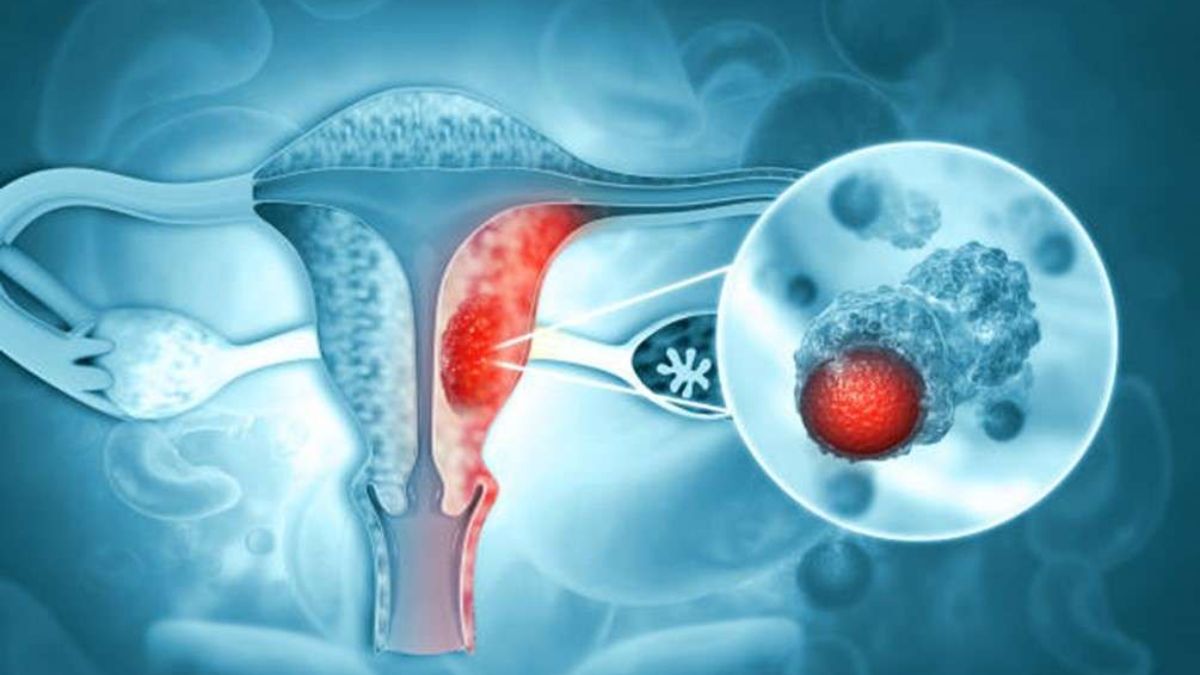
Human Papillomavirus, commonly known as HPV, is the leading cause of cervical cancer. Certain high-risk HPV types can cause changes in cervical cells that may eventually develop into cancer if left untreated. Regular screening helps identify these infections and abnormal cell changes before cancer develops.
Many women with HPV do not show symptoms in the early stages. This makes screening especially important. Detecting high-risk HPV infections early allows doctors to monitor patients closely and provide necessary treatment. Studies have shown that HPV screening can significantly reduce cervical cancer cases and related deaths.
Features Of The Indigenous HPV Test
The newly validated test has been designed specifically to meet India's healthcare needs. Developed by Goa-based Molbio Diagnostics, the Truenat HPV-HR Plus test can detect several high-risk HPV types that are responsible for the vast majority of cervical cancer cases. It uses advanced molecular diagnostic technology.
One of its biggest advantages is affordability. Imported HPV tests are often costly and may not be available in smaller healthcare facilities. This indigenous test can help reduce dependence on imported ones and support large-scale screening programmes. Researchers have highlighted that the test has demonstrated accuracy and quality standards comparable to internationally recognised screening tools.
Sriram Natarajan, Chief Executive Officer of Molbio Diagnostics, said, "With the validation of Truenat HPV-HR Plus, India takes an important step towards making cervical cancer elimination an achievable reality. At Molbio, our mission has always been to democratise access to high-quality molecular diagnostics. This milestone demonstrates the power of indigenous innovation to deliver globally validated solutions that can expand access to screening, strengthen public health programmes, and ultimately save lives."
Disclaimer: This content including advice provides generic information only. It is in no way a substitute for a qualified medical opinion. Always consult a specialist or your own doctor for more information. NDTV does not claim responsibility for this information.