

)
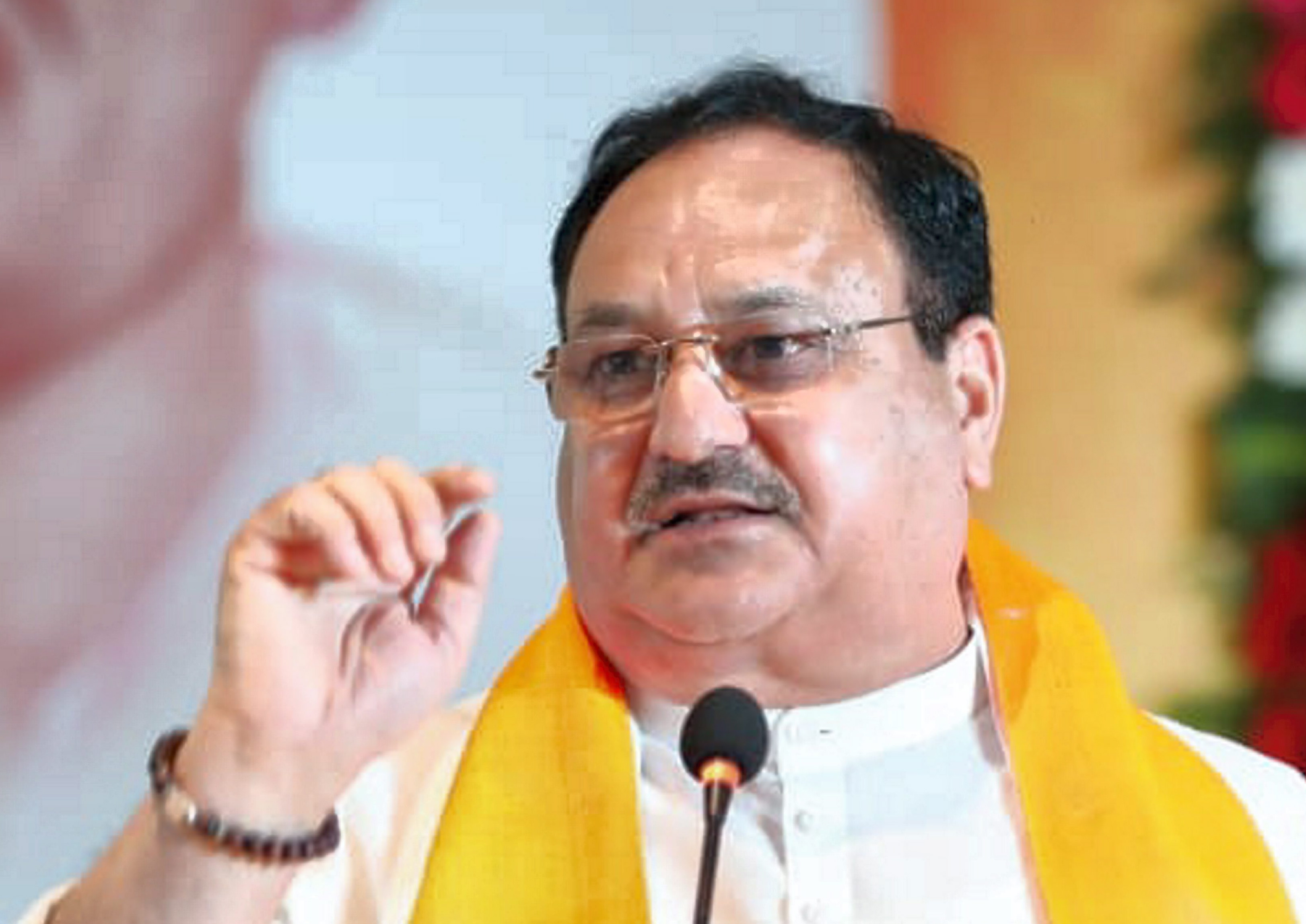
India is set to strengthen healthcare research in its mountainous regions with the establishment of a dedicated centre focused on high-altitude medicine and public health. Union Health Minister Jagat Prakash Nadda will lay the foundation stone for the ICMR Centre for High Altitude Medicine and Public Health Research at Keylong in Himachal Pradesh's Lahaul and Spiti district on July 11, 2026. The new facility, developed by the Indian Council of Medical Research (ICMR) under the Department of Health Research, aims to generate scientific evidence and innovative healthcare solutions for people living in high-altitude, climate-sensitive, and remote Himalayan regions.
Why Is A High-Altitude Research Centre Needed?
Living in the Himalayas presents unique health challenges. Reduced oxygen levels, harsh weather, difficult terrain, and limited healthcare access can significantly affect people's health and make disease management more challenging.
Climate change is also altering disease patterns in these regions, increasing the need for dedicated research on how environmental changes influence public health. The new centre will upgrade ICMR's existing field station in Keylong into a multidisciplinary research hub focused specifically on these issues.
Also read: 1 In 7 Indian Stroke Patients Between Ages 18-44: ICMR Study
What Will The Centre Study?
The research facility will investigate a wide range of health concerns affecting mountain communities, including:
- High-altitude physiology and acclimatisation
- Mountain medicine
- Climate-sensitive diseases
- Emerging infectious diseases
- Non-communicable diseases
- Maternal and child health
- Nutrition
- Mental health
- Environmental and occupational health
- Disaster medicine
The goal is to generate evidence-based strategies that improve healthcare delivery in difficult-to-access regions.
Focus On Digital Healthcare
One of the key features of the new centre will be the use of advanced healthcare technologies to improve medical access in remote areas. These include:
- Telemedicine services
- Digital health platforms
- Drone-based delivery of medicines and medical supplies
- Real-time public health surveillance systems
These innovations could help bridge healthcare gaps in isolated Himalayan communities where reaching hospitals can often be challenging.
Keylong is located in the strategically important Lahaul and Spiti district, Keylong offers year-round access to high-altitude populations, including tribal communities. This makes it an ideal location for long-term health studies examining how altitude, climate, and environmental conditions affect human health. Researchers will also be able to study the long-term health impacts of living in border and remote mountain regions. Collaboration Across Institutions. The centre is expected to collaborate with several national organisations, including:
- Armed Forces Medical Services (AFMS)
- Defence Research and Development Organisation (DRDO)
- Government of Himachal Pradesh
- Indian and international academic and research institutions
hese partnerships aim to promote translational research that can directly inform healthcare policies and improve patient care.
Also read: SEHAT Mission Explained: ICMR's Plan To Fix Nutrient Deficiencies Through Your Daily Meals
Supporting National Health Priorities
According to the government, the centre will contribute to several national priorities, including:
- Tribal health research
- Disaster preparedness
- Climate-resilient healthcare
- Digital health innovation
- Public health surveillance
It also aligns with the Atmanirbhar Bharat vision by strengthening India's capacity for indigenous medical research and innovation. The event will be attended by Members of Parliament, state government officials, defence representatives, scientists, healthcare experts, and members of the local community.
The upcoming ICMR Centre for High Altitude Medicine and Public Health Research can be an important step towards improving healthcare research in India's Himalayan regions. By studying altitude-related illnesses, climate-sensitive diseases, digital healthcare solutions, and public health challenges unique to mountain communities, the centre aims to strengthen healthcare delivery, support disaster preparedness, and improve health outcomes for people living in some of the country's most remote areas.
Disclaimer: This content including advice provides generic information only. It is in no way a substitute for a qualified medical opinion. Always consult a specialist or your own doctor for more information. NDTV does not claim responsibility for this information.