

)
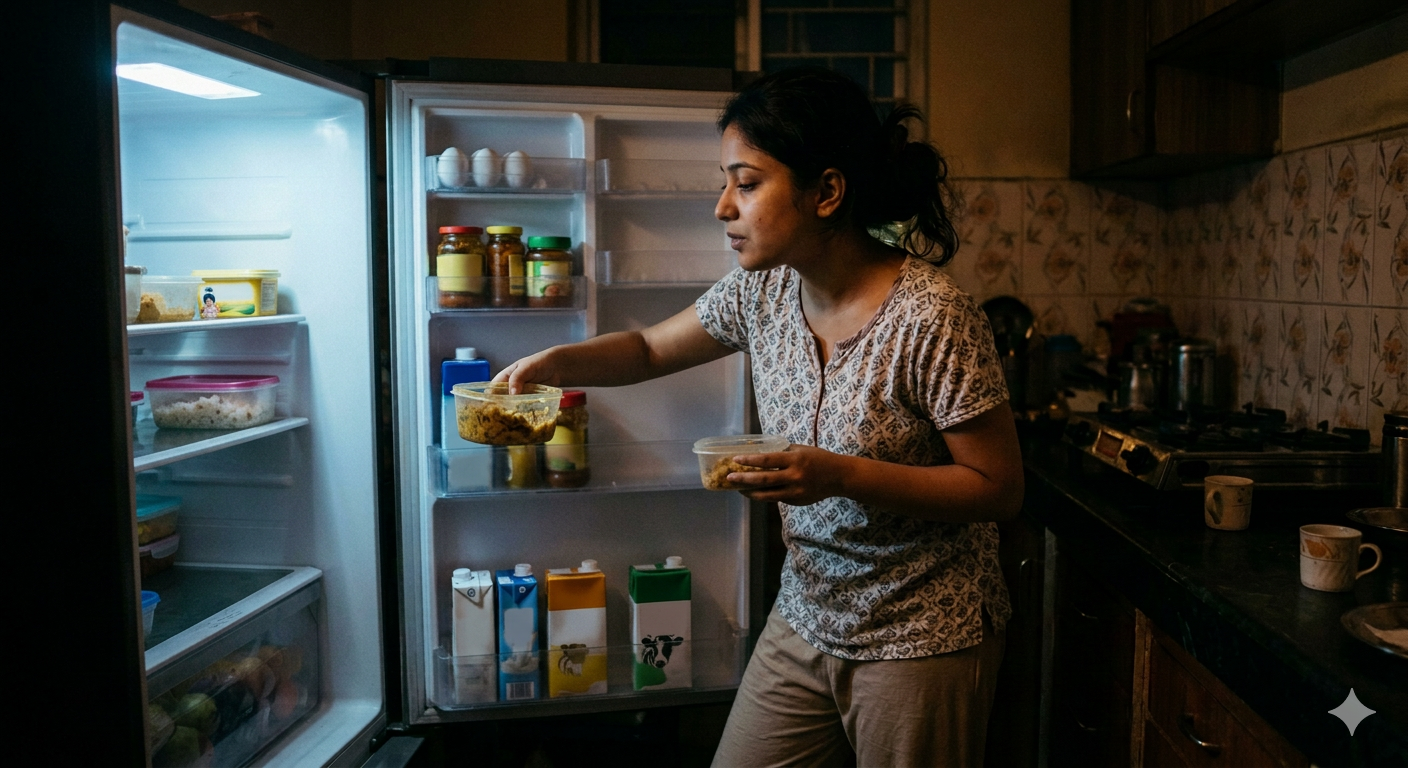
"Stop eating after sunset" is a common health recommendation you may have encountered multiple times. The trend of early dining has gained significant momentum because it aligns with biological principles rather than merely lifestyle convenience. This shift is supported by chrononutrition, the science that studies the timing of food intake in relation to the body's internal clock. While early dinners offer substantial metabolic benefits, many people struggle with a common issue- late-night hunger. Most individuals have early dinners but tend to sleep late, which leads to hunger pangs after dinner. Consequently, many end up consuming what feels like "double dinners," resulting in surplus calorie intake instead of weight loss.
Why does this happen?
Many people experience hunger shortly after eating early dinners, and this can lead to unintended snacking or overeating later in the evening. This phenomenon often occurs for several reasons:
1. Timing and hormones
Eating dinner early can disrupt the body's natural hunger signals and insulin levels. Your body may not register that you've consumed enough, leading to a feeling of hunger shortly after.
2. Meal composition
If your dinner is high in refined carbohydrates and low in protein or fibre, your blood sugar will spike and then crash, triggering a release of hunger hormones like ghrelin shortly after.
3. Sleep issues
Lack of sleep increases ghrelin levels while decreasing leptin, making you feel excessively hungry, even if you had dinner earlier.
4. Mental association
For many, eating later in the evening is a habitual part of their day. An early dinner can leave a psychological void, making people crave food out of habit rather than actual hunger.
Tips that can prevent you from eating double dinners
1. Eat balanced dinners
Ensure your dinner includes lean protein, fibre, and healthy fats to slow digestion and maintain satiety.
2. Stay hydrated
Sometimes, feelings of hunger can be mistaken for thirst. Make sure to drink enough water throughout the day and consider having a glass before your meal. When cravings hit, drink a full glass of water and wait 15 minutes. Often, the hunger will dissipate once you are hydrated.
3. Healthy snacks
If you find yourself genuinely hungry later, opt for healthy snacks like fruits, vegetables, a cup of yoghurt, or nuts. This can satisfy the craving without leading to a calorie surplus.
4. Mindful eating
Practice mindful eating by paying attention to your food while eating. Chewing slowly and savouring each bite can help you recognise when you're full.
5. Regular meal timing
Try to establish regular meal times to keep your body in a routine. This can help regulate your hunger cues and improve satiety.
6. Signal the end of eating
Brushing your teeth immediately after dinner can act as a psychological cue to your brain that mealtime is over, reducing the temptation to snack.
7. Plan a late evening activity
Engage in a light activity after dinner, such as walking, gentle stretching, reading or drinking herbal tea, to distract yourself from late-night snacking urges.
How to execute early dinners
- The goal is to finish your last meal 2-3 hours before bedtime. Use your typical sleep time as a guide. If you go to bed at 10:00 PM, aim to finish eating by 7:00 PM or 8:00 PM.
- If you currently eat late, move your dinner time earlier by 15-30 minutes each week until you reach your target window.
Early dinners can support your health in more ways than one. They help enhance fat burning, improve insulin sensitivity, promote better sleep, support digestion, reduce chronic disease risk and support cellular regeneration.
By making adjustments to meal composition and focusing on mindful eating habits, you can help manage hunger levels after an early dinner and reduce the likelihood of overeating later in the evening.
Disclaimer: This content including advice provides generic information only. It is in no way a substitute for a qualified medical opinion. Always consult a specialist or your own doctor for more information. NDTV does not claim responsibility for this information.