

)
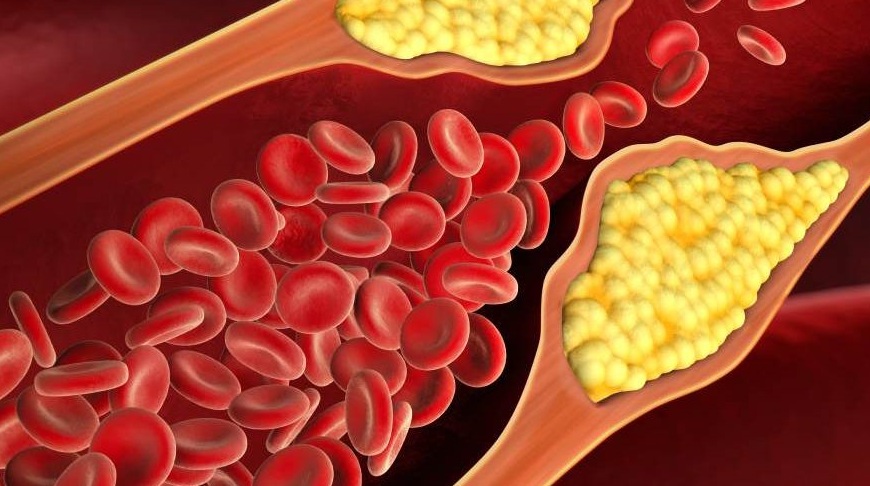
Cholesterol is a waxy, fat-like substance that the body produces to build cells, produce hormones and digestion, and other functions. It is usually made by the liver, however, you also get it from certain animal-based foods. Cholesterol travels in the blood through lipoproteins, which categorises them into LDL cholesterol and HDL cholesterol. LDL is low-density lipoprotein and HDL is high-density lipoprotein. LDL is known to be the 'bad' cholesterol as it clogs arteries, forms plaque, and eventually leads to cardiovascular diseases. On the other hand, HDL is known to be the 'good' cholesterol as it collects the excess cholesterol from the blood vessels and takes it to the liver, from where it is removed. The American Heart Association says that cholesterol is not "bad" unless you have too much of it.
When you have excess LDL cholesterol in the blood, it can lead to heart attack, stroke, and other cardiovascular problems. The condition develops suddenly without causing any major symptoms. While high cholesterol doesn't have any symptoms, it can show-up through indirect warning signs. Here are some signs of high LDL cholesterol that you should know.
Signs Of LDL Cholesterol That You Should Know
1. Chest Pain or Angina
Chest pain, commonly referred to as angina, happens when high LDL cholesterol leads to plaque accumulation in the coronary arteries, which supply blood to the heart muscle. This narrowing impacts oxygen-rich blood flow, particularly during physical activity, stress, or even at rest in advanced cases. This leads to feeling of pressure, squeezing, fullness, or burning across the chest that may radiate to the arms, neck, jaw, or back. This discomfort lasts a few minutes and subsides with rest or medication. For women and those with diabetes, symptoms might be subtle, causing nausea, fatigue, or upper abdominal discomfort.
2. Xanthomas on Skin
Xanthomas are yellowish, waxy lumps or patches that form under the skin due to excess LDL cholesterol depositing in tissues. These deposits commonly appear on the eyelids (xanthelasmas), tendons like the Achilles or knuckles, elbows, knees, or even buttocks in severe cases. Their visibility makes them one of the few open signs of high cholesterol which can lead to dermatological or lipid testing. It is important to address the root cause through dietary changes such as emphasising on soluble fibre from oats, fruits, and legumes, among others.
3. Shortness of Breath
Shortness of breath, or dyspnea, occurs as high LDL reduces arterial capacity, forcing the heart to pump harder and impacting oxygen delivery to tissues. This manifests during activities like climbing stairs, walking briskly, or even lying flat, where fluid buildup in lungs from heart strain affects the issue. You might also have other sensations like wheezing, or rapid breathing that doesn't fully resolve with rest.
4. Leg Pain or Cramping
Leg pain or cramping, also known as intermittent claudication, happens when LDL plaque obstructs peripheral arteries, especially in the calves, thighs, or buttocks. This causes muscle ischemia during walking that relieves only when you stop. This can also be described as aching, tightness, or heaviness, as it limits walking distance. This peripheral artery disease (PAD) reflects widespread atherosclerosis, increasing heart attack risks considerably.
5. Persistent Fatigue
Persistent fatigue from high LDL stems from poor blood flow which impairs nutrient and oxygen delivery to muscles and organs. It causes tiredness that's unrelated to sleep or activity levels. Unlike acute exhaustion, it lingers daily, impacting motivation for workouts or daily tasks and often worsens post-menopause in women due to drop in oestrogen levels.
6. Memory Fog or Headaches
Memory fog or headaches can be a sign of carotid arteries narrowing from LDL plaques. This signals compromising cerebral blood flow which causes concentration lapses, trouble in finding words, dizziness, or throbbing temple pain. Unlike stress headaches, these persist, with transient vision loss or confusion hinting at mini-strokes (TIAs). Brain cells starve subtly, which raises risk of strokes.
Disclaimer: This content including advice provides generic information only. It is in no way a substitute for a qualified medical opinion. Always consult a specialist or your own doctor for more information. NDTV does not claim responsibility for this information.