

)
The oil we use every day plays an important role in shaping the quality of fats in our diet, influencing overall health and even affecting how food behaves during cooking. Today, experts recognise that the balance, stability and functionality of edible oils matter just as much.
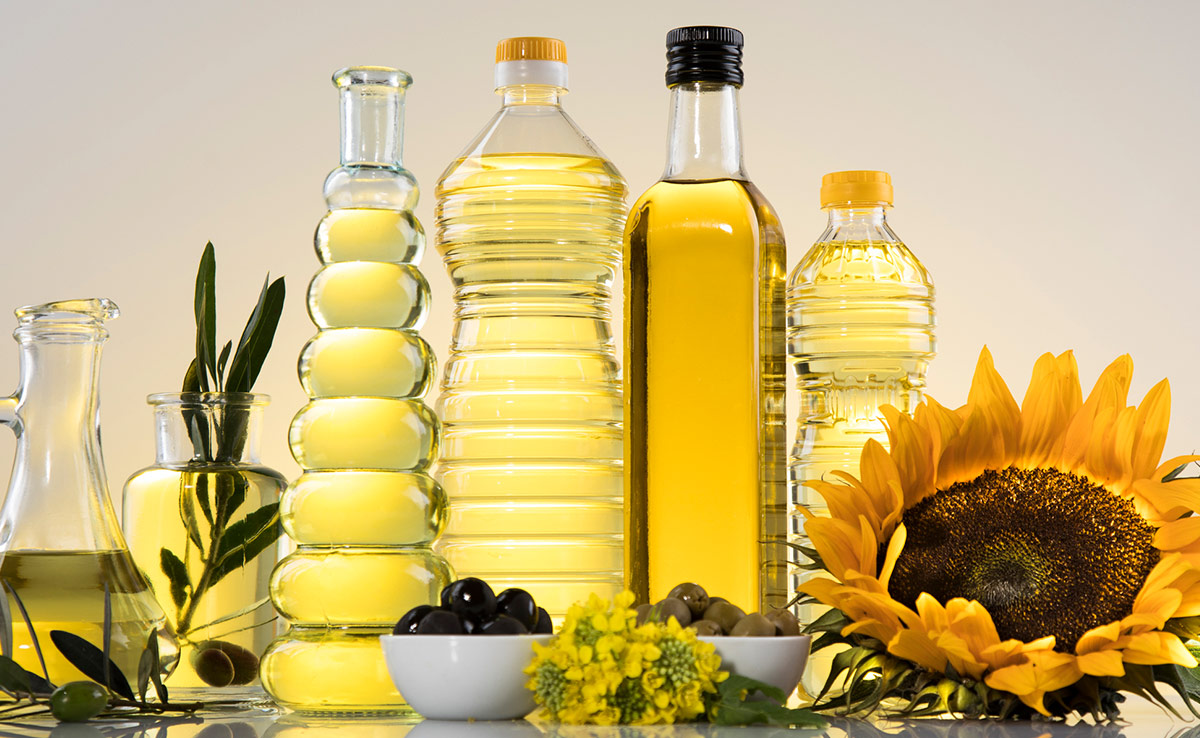
Vegetable oil blending refers to combining two or more vegetable oils to improve nutrition and cooking performance. Instead of depending on a single oil, blending allows the strengths of different oils to work together. Oils such as rice bran, soybean, sunflower and palm oil are commonly used in different combinations to achieve better nutritional balance and cooking performance.
Palm oil is widely used in the food industry because of its versatility and suitability for high-temperature cooking. It is commonly used in cooking oils, margarines, spreads and confectionery products. Unlike some highly unsaturated oils that break down quickly at high temperatures, palm oil remains comparatively stable during cooking and frying. It also contains naturally occurring compounds such as tocopherols, tocotrienols and carotenoids, which act as antioxidants. Because of its semi-solid nature and resistance to deterioration during heating, palm oil is often used as a functional ingredient in blended oils.
For example, palm oil may be blended with soybean, rice bran, safflower, flaxseed or perilla seed oil to broaden the nutritional range of the final product. Palm oil provides the thermal and oxidative stability that anchors the blend, while complementary oils contribute omega-3 fatty acids or additional antioxidants.
According to the Food Safety and Standards Authority of India, specific guidelines govern edible oil blends in India. Regulations state that the proportion of any single oil in a blend should generally be at least 20 per cent, except in the case of mustard oil. A third oil, such as chia oil or flaxseed (linseed) oil, may be added up to 5 per cent of the total oil content.
Why Blending Matters
No single vegetable oil is nutritionally complete. Some oils are rich in monounsaturated fats, while others contain more polyunsaturated fats or antioxidants.
For instance:
- Palm olein offers excellent thermal and oxidative stability for high-temperature cooking.
- Rice bran oil contains phytosterols and antioxidants that support heart health.
- Flaxseed and perilla seed oils are rich in omega-3 fatty acids.
- Soybean and safflower oils provide polyunsaturated fats.
By combining these oils carefully, manufacturers can create blends with improved nutritional balance.
The World Health Organization recommends maintaining a balanced intake of saturated, monounsaturated and polyunsaturated fats. Experts also stress the importance of maintaining a healthy balance between omega-3 and omega-6 fatty acids for overall well-being. Oil blending helps create a more balanced fat profile in the daily diet.
Scientific Evidence and Health Benefits
Studies suggest that blended oils may help reduce risk factors linked to lifestyle diseases such as heart disease, obesity and diabetes.
In one Indian study involving 80 adults with hyperlipidaemia, which is a condition marked by high cholesterol and triglyceride levels, participants consumed blended oil over a three-month period. Researchers observed greater reductions in LDL or "bad" cholesterol and total cholesterol compared with individuals using their regular cooking oils such as coconut, sunflower, corn and other commonly used oils. Importantly, markers linked to inflammation and oxidative stress also declined. The study highlights how thoughtfully designed oil blends may help improve overall dietary fat quality as part of a balanced lifestyle.
Improved Stability and Longer Shelf Life
The benefits of oil blending are not limited to nutrition alone. Blending also improves the physical and chemical stability of edible oils.
Indian cooking methods frequently involve high temperatures. However, oils rich in unsaturated fats are often more prone to oxidation during heating. This may lead to rancidity, deterioration in flavour and the formation of harmful compounds over time.
Blending helps address this challenge by combining stable oils with nutritionally rich oils in suitable proportions. The result is better resistance to heat and oxidation during everyday cooking.
- It does not require complicated chemical modification.
- It helps improve shelf life naturally.
- It can reduce dependence on hydrogenation.
This is especially important because hydrogenation may lead to the formation of harmful trans fats, which are associated with an increased risk of heart disease.
Better Performance in Food Applications
Oil blending also plays a major role in food manufacturing and processed food applications.
Different food products require different fat characteristics, including:
- Melting point
- Texture
- Spreadability
- Stability
For example, sunflower oil works well in salad dressings and mayonnaise because it remains liquid at lower temperatures. However, it may not provide the texture needed for bakery products such as margarine or shortening.
Palm oil, on the other hand, is naturally semi-solid and offers better structure for bakery and confectionery applications. Its thermal and oxidative stability also make it a suitable base for blending with nutritionally rich but less stable oils.
This allows food manufacturers to customise oils for specific applications while improving nutrition and performance.
A Smarter Choice for Modern Diets
As awareness about diet and health continues to grow, consumers are increasingly looking for food choices that are both nutritious and practical. Blended edible oils represent one such science-backed innovation.
Rather than replacing one oil with another, blending focuses on achieving balance. By combining the strengths of different vegetable oils, it becomes possible to create cooking oils that are healthier, more stable and better suited to modern lifestyles and cooking needs.
In a country like India, where cooking practices vary widely and lifestyle diseases are rising steadily, oil blending offers a practical approach to improving dietary fat quality without drastically changing food habits.
(By Dr Rajni Chopra is Professor and Head of the Department of Food Science and Technology, NIFTEM-Kundli.)
Disclaimer: The opinions expressed within this article are the personal opinions of the author. NDTV is not responsible for the accuracy, completeness, suitability, or validity of any information on this article. All information is provided on an as-is basis. The information, facts or opinions appearing in the article do not reflect the views of NDTV and NDTV does not assume any responsibility or liability for the same.