

)
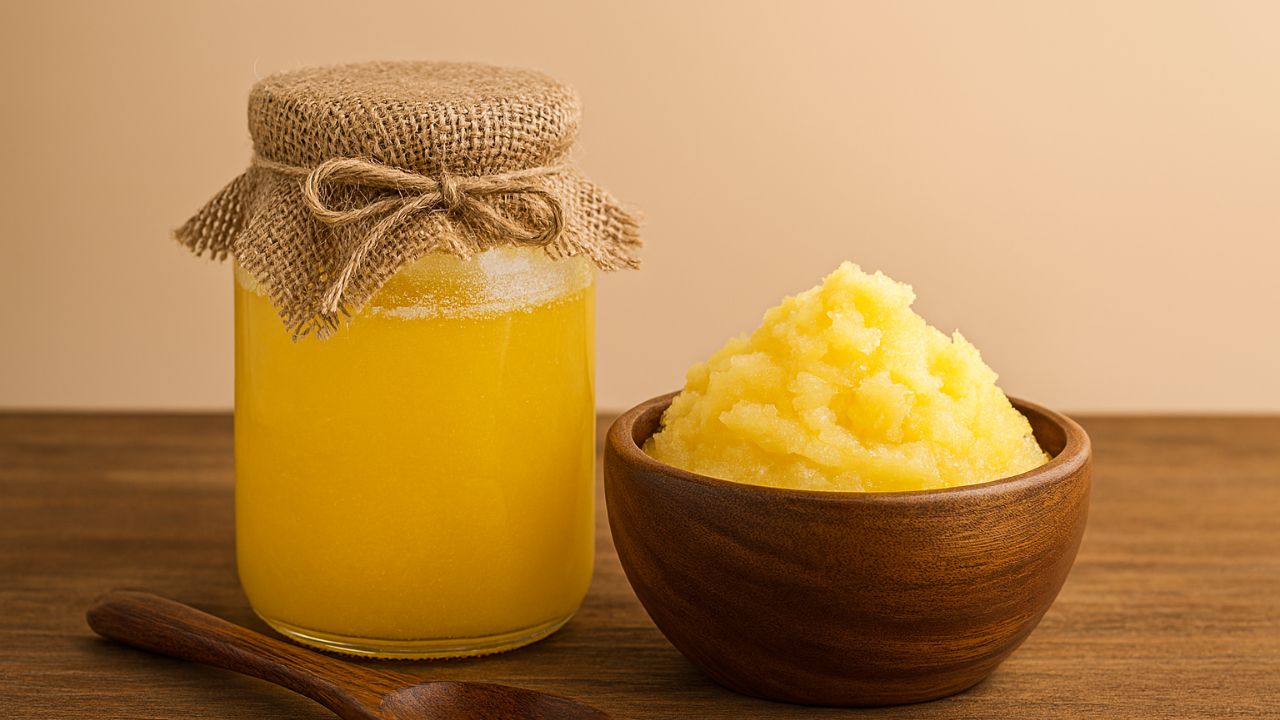
The monsoon brings an increased risk of developing digestive issues, infections, bloating, and even reduced appetite. Your diet is the first and foremost aspect that needs your attention to deal with these issues. A traditional natural remedy that could help with this is a spoonful of desi ghee, which is a healthy fat that can help strengthen the way your immune system functions. Research published in the Journal of Ayurveda and Integrative Medicine suggests that the nutritional composition of desi ghee can help boost your immune system. The specific nutritional components, such as short-chain fatty acids, such as butyric acid, omega-3 and omega-6, and linoleic acid, as well as fat-soluble vitamins such as A, D, E, and K, serve as an energy source and boost gut health.
Can A Spoonful Of Ghee Help With Seasonal Health Issues
Health issues tend to worsen during monsoon as multiple factors such as increased humidity, digestive slowdown, higher risk of food- and waterborne infections, appetite changes, and gut health challenges collectively descend on the human body.
Research published in the Food Chemistry Journal suggests that desi ghee can help boost your immunity when it is eaten and distributed throughout the day. Consuming a small portion in the morning, as healthy fats are needed, is necessary for an effective gut health boost. But only consuming it as a standalone remedy for monsoon health issues doesn't have clinical evidence. Consuming ghee only works as a part of a healthy diet when consumed at the right time.
What Makes Desi Ghee Unique?
Desi ghee is a unique traditional Indian ingredient that has a rich nutritional profile that should make it a staple in your diet. The nutritional properties of desi ghee are as follows:
- Healthy fats
- Fat-soluble vitamins (A, D, E, K)
- Short-chain and medium-chain fatty acids
- Butyric acid
Can Desi Ghee Support Gut Health During Monsoon?
Desi ghee, which is extracted from A2 cow milk, contains the maximum amount of nutritional benefits that can nourish your gut health. But you need to balance the exact portion and distribute it throughout the day so your gut can absorb it in stages.
May Nourish The Gut Lining
Desi ghee contains butyric acid, which is a gut-friendly fatty acid. This acid also plays a role in how the gut cells function and plays a role in how healthy the digestive tract functions.
Could Assist Digestion
Research published in the Journal of Ayurveda and Integrative Medicine has found that desi ghee should be a part of a healthy diet. But moderation matters, as you need to move your body enough for it to be effectively metabolised. Nutritionist Anjali Mukerjee explains, "Ghee contains butyrate, a short-chain fatty acid. Butyrate is what makes ghee good for the gut."
Supports Nutrient Absorption
Fat-soluble vitamins such as A, D, and K can be readily absorbed when ghee is consumed in the right manner at the right time. Compounds such as SCFAs, omega-3s, omega-6s, phospholipids, and conjugated linoleic acid (CLA) are nutrients that have been studied for their anti-inflammatory and cellular functions.
Can Ghee Help Strengthen Immunity?
Research published in the International Journal of Pharmaceutical Sciences suggests that gut health and immune health are interlinked and could benefit from the addition of desi ghee. A balanced, healthy diet with plenty of physical activity needs to be followed for maximum health impact.
Desi ghee can provide a potent dose of healthy fats that is needed for nutrient absorption, boost gut health, and increase the lubrication of your joints internally.
What Ghee Cannot Do
It is important to understand that desi ghee has limitations as it is a food source; what it can't do is prevent viral infections, cure seasonal illnesses, or replace medical treatment.
Who May Benefit Most From Moderate Ghee Consumption?
Desi ghee should be made a part of the diet for those who are struggling with the following:
- With a poor appetite due to seasonal changes.
- People are consuming very low-fat diets due to restrictions or lack of access.
- Older adults needing calorie-dense nutrition need to make desi ghee a part of their diet.
- Those looking to improve meal satisfaction should consume approximately a small teaspoon of ghee with their meal.
How Much Desi Ghee Is Too Much?
The Indian Council of Medical Research (ICMR) and National Institute of Nutrition (NIN) dietary guidelines mention that for a typical diet of 2,000 calories, healthy fat intake should be around 27 g per day. This makes it important to calculate your dose accordingly. According to these guidelines, 1-2 teaspoons of desi ghee can be a part of your healthy diet.
Note: Desi ghee intake will only work when the quality of your diet is high, and priorities are focused on being healthy.
7 Smart Ways To Include Ghee In Your Monsoon Diet
Your monsoon diet should centre around consuming desi ghee in a controlled manner. If you want your gut to function smoothly, then you need to add it by the following:
1. Add a small amount to the dal.
2. Drizzle over khichdi
3. Mix into millet dishes.
4. Add to steamed vegetables.
5. Use in homemade soups.
6. Pair with rotis occasionally
7. Use instead of excess processed spreads.
Who Should Be Careful With Ghee Intake?
Ghee intake should be carefully considered, as it can cause side effects when it is consumed in large quantities. Here is what it can cause:
- People advised to limit saturated fats should watch their dosage.
- Individuals with specific cardiovascular risks should consult a cardiologist for the right dose safe for their heart.
- Those trying to manage calorie intake should be careful with their daily intake of desi ghee.
- Anyone following a medically prescribed diet should consult a nutritionist or dietician.
Desi ghee may support digestion and nutrient absorption during the monsoon, but regulating its dose, timing it right, and consuming it consistently is better. Your diet needs desi ghee in controlled doses for maximum health benefits.
Also Read: Want Your Parents To Stay Healthy? Nutritionist Shares 4 Foods Older Adults Should Add To Their Diet
Disclaimer: This content including advice provides generic information only. It is in no way a substitute for a qualified medical opinion. Always consult a specialist or your own doctor for more information. NDTV does not claim responsibility for this information.