

)
Dietary fibre is one of the most important nutrients the body needs for overall health. Although it is not digested by the human gut, fibre plays a crucial role in slowing digestion, increasing satiety, supporting a healthy gut microbiome, and promoting regular bowel movements.
When it comes to boosting fibre intake, chia seeds are often the first food that comes to mind. Rich in soluble fibre, chia seeds act as a prebiotic, nourishing beneficial gut bacteria. They also form a gel-like substance in the digestive tract that helps slow digestion, enhances feelings of fullness, and supports regular bowel habits.
There is another simple ingredient that can help many people bridge the gap between their daily fibre intake and the recommended amount.
In a recent video, Harvard- and Stanford-trained gastroenterologist Dr. Saurabh Sethi shared how psyllium husk can be an effective tool for improving digestive health and increasing fibre intake.
What Is Psyllium Husk?
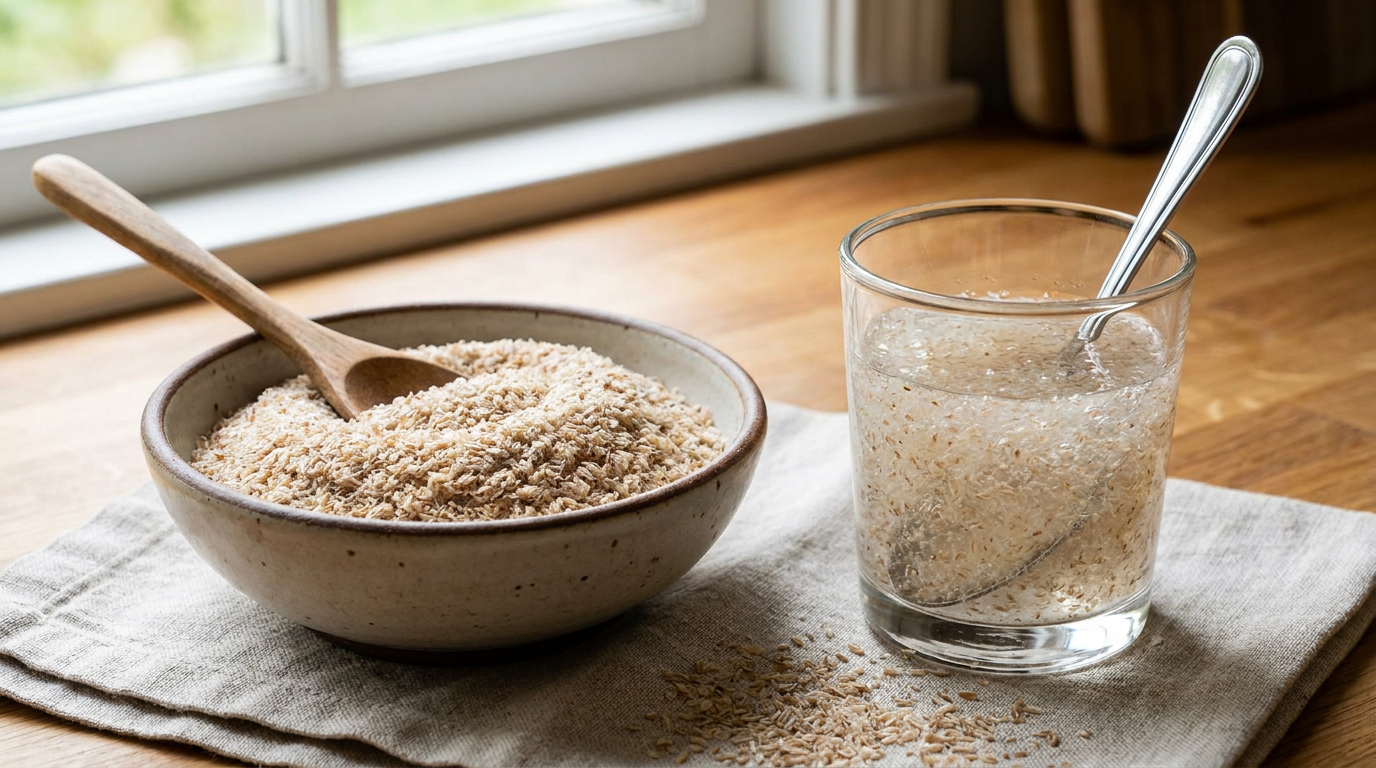
The gastroenterologist explains that psyllium husk is a concentrated gel-forming soluble fibre. It hits the gut, absorbs water and transforms into a thick gel. That gel does some serious work like slowing glucose absorption and flattening post-meal blood sugar spikes.
Psyllium husk also binds to bile acids, helping lower LDL cholesterol. It slows stomach emptying, making it a powerful appetite control tool. At the gut level, it works in both directions. “It softens when constipated and firm when it's loose,” Sethi says.
How to add psyllium husk in your routine?
Dr Saurabh Sethi further clears how to include psyllium husk in your diet so that it does its job correctly.
In the video, he says, “Some people take it dry or with too little water. Because of these, the expansion can happen in the wrong place, causing bloating and constipation that is worse than before. Just one to two tablespoons mixed with water or yogurt along with proper hydration can make psyllium husk an excellent health tool.”
Other Fibre-Rich Foods
In earlier videos, Dr Sethi has listed some other fibre-rich foods to improve and manage gut health:
Slightly Green Bananas
Dr Sethi recommends taking one medium banana every day to manage gut health. He explains that bananas are rich in resistant starch and they help feed beneficial gut bacteria, support blood sugar stability, and improve satiety.
Lentils And Legumes
Lentils and legumes also provide soluble and insoluble fibre, plant protein, and fuel for the microbiome. Consuming ½ to 1 cup of cooked lentils and legumes on most days can fulfil your fibre intake.
Berries
They are top sources of fibre as well as polyphenols. Berries, especially blueberries or raspberries, contain antioxidants that support gut health. You can take ½ to 1 cup of berries daily and complete your fibre intake to keep your gut healthy.
Disclaimer: This content including advice provides generic information only. It is in no way a substitute for a qualified medical opinion. Always consult a specialist or your own doctor for more information. NDTV does not claim responsibility for this information.