

)
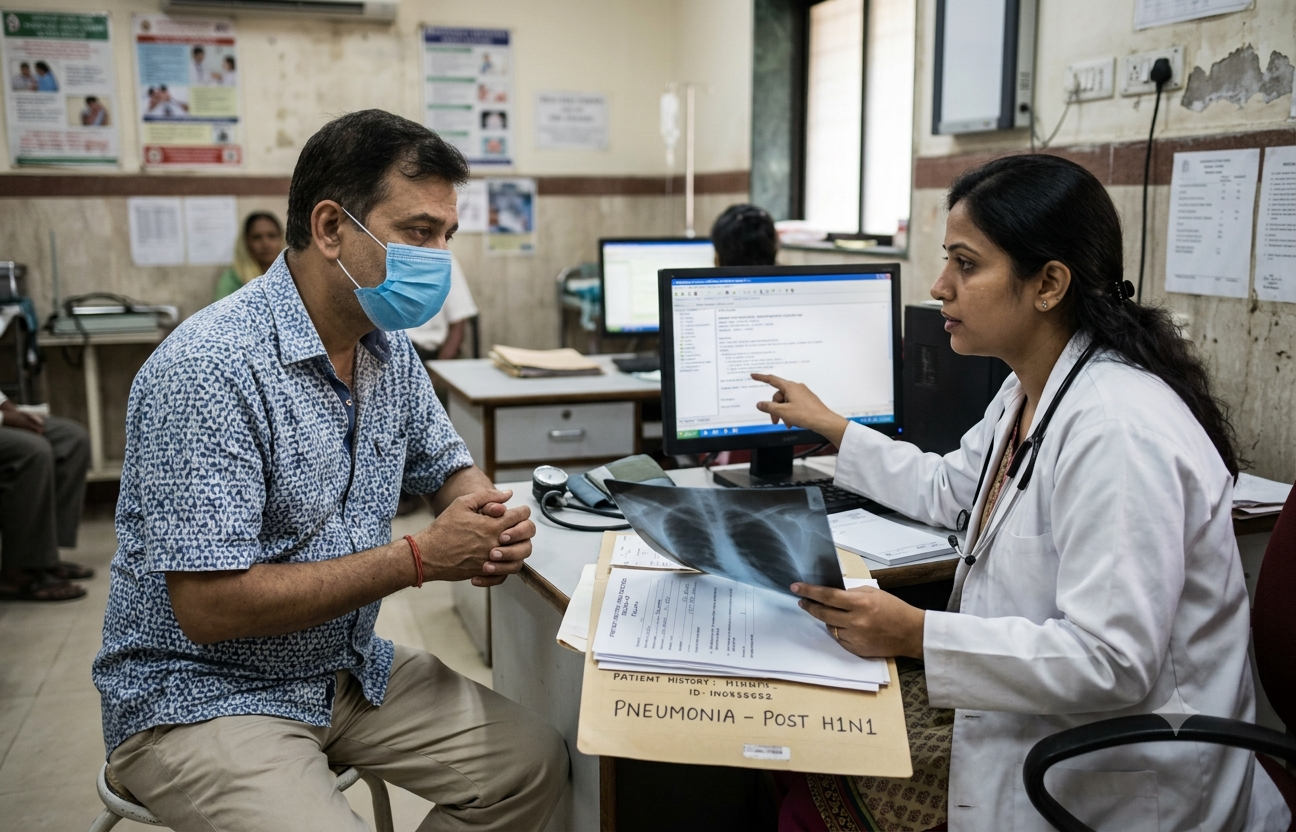
A fever breaking can feel like the biggest sign that the flu is finally over. But if you have recently recovered from H1N1 influenza, does that mean you can immediately head back to work, school or your regular workout? Not necessarily. While some symptoms may settle within a few days, fatigue, weakness and cough can continue for longer. So, when is it actually safe to resume your routine after H1N1? According to Dr Chirag Tandon, Director, Internal Medicine, ShardaCare-Healthcity, the decision should depend not only on whether the fever has gone but also on whether the overall symptoms are improving.
When Can You Return To Work Or School After H1N1?
Recovering from influenza does not necessarily mean that you should return to your normal routine as soon as your temperature comes down. One of the important criteria is being fever-free for at least 24 hours without taking fever-reducing medicines. Dr Tandon explains, "The key is to ensure that symptoms are improving and you have been free of fever for at least 24 hours without using fever-reducing medicines. Once these conditions are met, most people can gradually resume normal activities." For people returning to work or school, this 24-hour fever-free period is generally considered an important benchmark. However, simply being fever-free is not enough if you are still feeling significantly unwell. Dr Tandon says, "For work or school, returning after this 24-hour fever-free period is generally appropriate if you feel well enough to participate normally." This means that if you are still experiencing significant weakness, persistent worsening cough or other symptoms that make it difficult to function normally, giving your body more time to recover may be advisable. There is also an important consideration for people who have flu but do not develop a fever.
Dr Tandon cautions, "However, people who do not develop a fever but have confirmed or suspected flu should be more cautious and stay home for at least five days after symptoms begin." This is particularly relevant because the absence of fever does not necessarily mean that a person is no longer infectious.
Can You Go To The Gym After Recovering From H1N1?
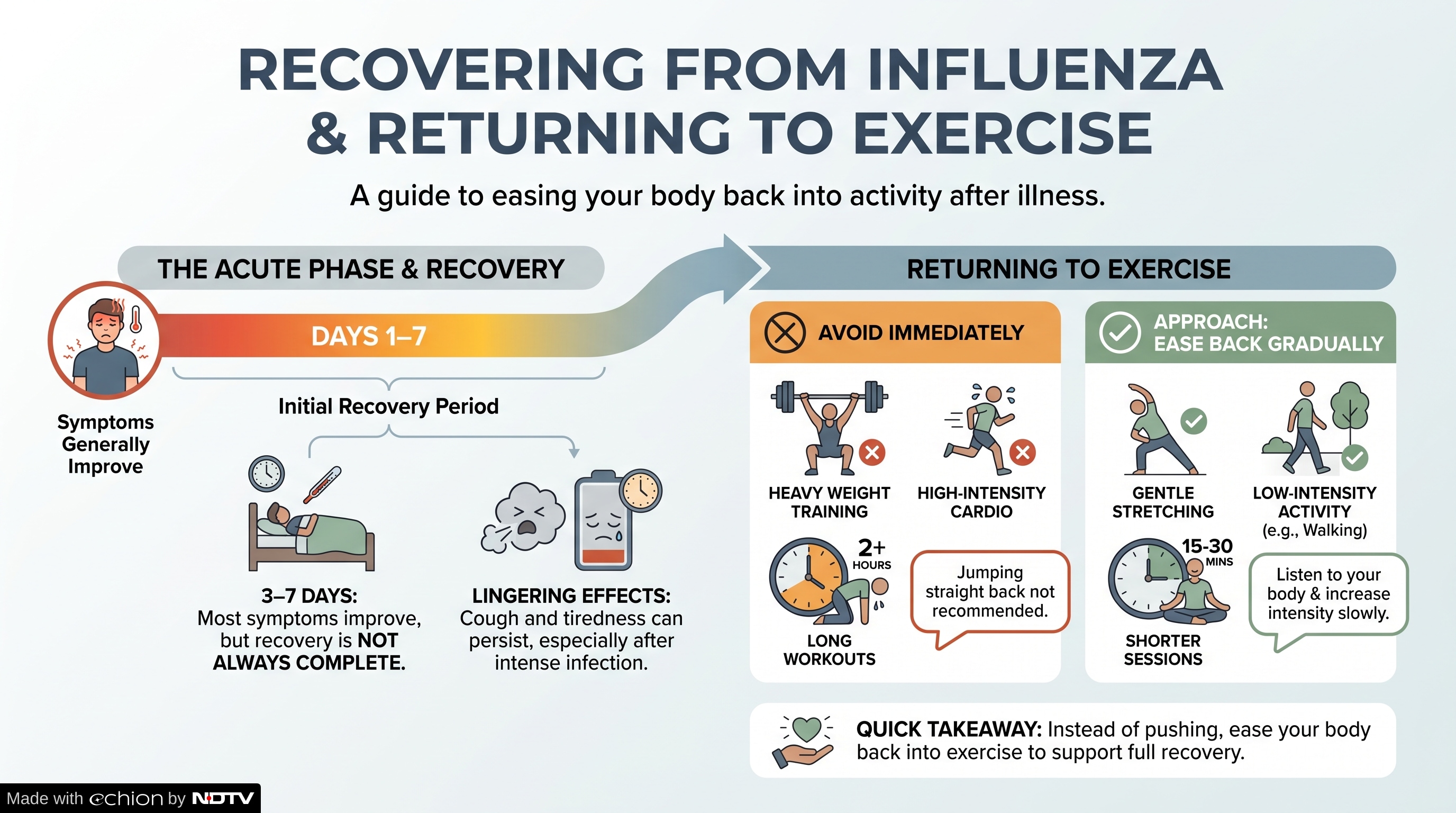
Returning to the gym requires more caution than simply resuming everyday activities. Influenza can leave the body feeling weak even after the infection itself starts improving. Dr Tandon explains, "The gym requires greater caution. Even after the infection becomes less contagious, fatigue, weakness and cough can persist for days or even weeks."
Influenza symptoms generally improve within 3-7 days, but recovery is not always complete within this period. Cough and tiredness can linger, particularly after a more intense infection. That is why jumping straight back into heavy weight training, high-intensity cardio or long workouts may not be the best approach. Instead, ease your body back into exercise. Walking, gentle stretching or other low-intensity activities can be a better starting point. If your energy levels remain stable and you do not experience any unusual symptoms, exercise intensity can gradually be increased. Dr Tandon advises, "Start with light activity such as walking or gentle stretching rather than immediately returning to intense cardio or weight training." Listening to your body is particularly important during the first few workouts after flu. Feeling slightly more tired than usual may happen, but certain symptoms should not be ignored. Dr Tandon says, "Stop if you experience unusual breathlessness, dizziness, chest discomfort or marked fatigue." These symptoms could indicate that your body has not recovered sufficiently to handle strenuous exercise and may warrant medical evaluation, particularly if they are severe or persistent.
Are You Still Contagious After Returning To Work?
Even after you meet the basic criteria for returning to work or school, it is sensible to take precautions, especially when spending time in crowded indoor environments.
Influenza spreads through respiratory droplets and close contact, making workplaces, classrooms, public transport and other crowded settings potential areas for transmission. Dr Tandon recommends continuing basic precautions after returning. He says, "After returning to work, school or other crowded settings, continue precautions such as good hand hygiene, covering coughs and sneezes, improving ventilation and considering a well-fitted mask for the next few days, particularly around people at higher risk of severe respiratory illness." These precautions become even more important if you are likely to come into contact with older adults, young children, pregnant people or individuals with underlying conditions who may be at greater risk of complications from influenza.
When Should You Seek Medical Help?
Most people recover from influenza without serious complications. However, recovery should generally follow a gradual pattern, with symptoms improving rather than becoming worse again. If you initially start feeling better but then develop a new or returning fever or worsening cough, it should not simply be dismissed as part of the recovery process. Dr Tandon warns, "If fever or cough returns after improving, or you develop breathing difficulty, chest pain, severe weakness or confusion, seek medical attention promptly." These symptoms can sometimes signal complications or a secondary infection and require timely medical assessment.
Returning to your routine after H1N1 is less about a fixed number of days and more about how your body is recovering. For most people, being fever-free for at least 24 hours without fever-reducing medication, along with improving symptoms and feeling well enough to participate normally, is an important benchmark before returning to work or school. The gym is different. Even when you are ready to resume daily activities, your body may still need more time before it can handle strenuous exercise. Start slowly, prioritise rest and hydration, and increase workout intensity gradually. Most importantly, do not push through warning signs such as breathlessness, chest discomfort, dizziness or severe fatigue. Recovery from influenza is a process, and giving your body adequate time can help you return to your normal routine safely.
Disclaimer: This content including advice provides generic information only. It is in no way a substitute for a qualified medical opinion. Always consult a specialist or your own doctor for more information. NDTV does not claim responsibility for this information.