

)
H1N1 influenza cases have been rising across India, with Delhi reporting a significant increase. The national capital had recorded 2,308 H1N1 cases as of August 26. H1N1 has emerged as the predominant influenza strain among the cases being detected in Delhi, which has prompted health authorities to step up surveillance and hospital preparedness. The rise has also been reported in other major Indian cities, including Mumbai and Bengaluru, making influenza symptoms an important health concern.
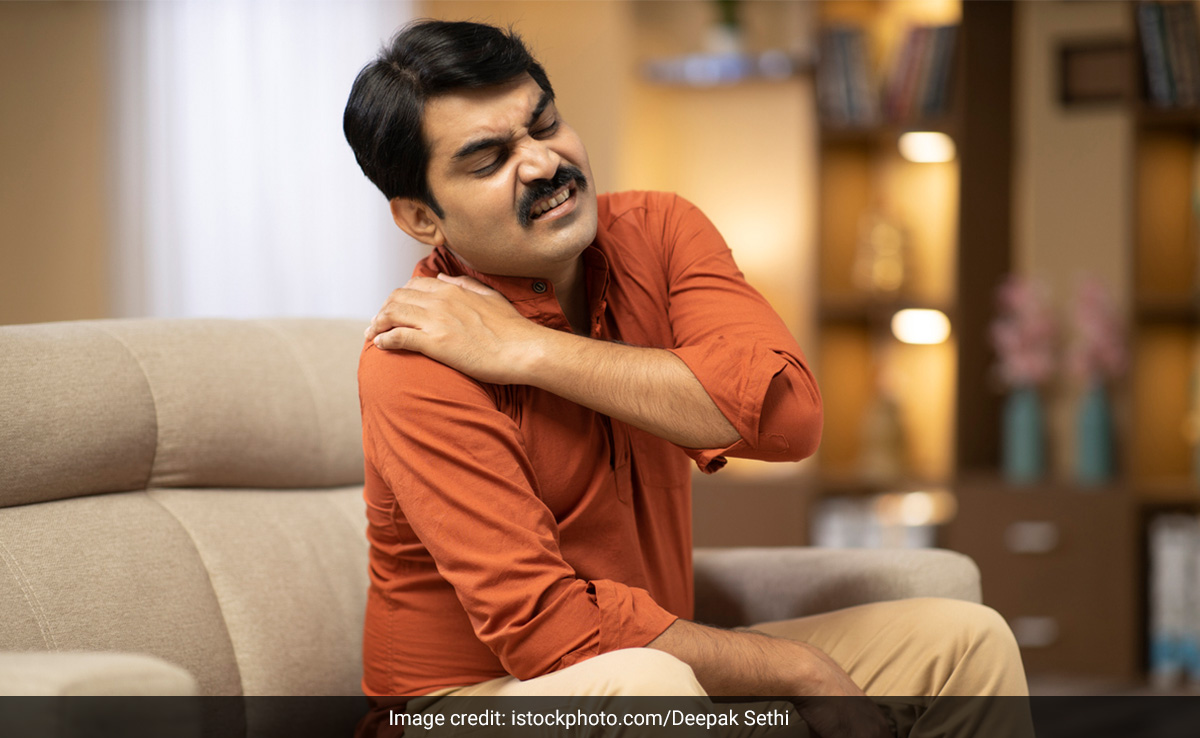
While fever, cough and sore throat are common symptoms of H1N1, intense body ache is another symptom that can be extremely uncomfortable. According to Dr G.J. Singh, Director, Internal Medicine, Yashoda Medicity, the pain may affect the muscles, back, legs and joints and can sometimes be accompanied by extreme tiredness.
Why Does H1N1 Cause Body Ache And Joint Pain?
Body ache during H1N1 infection is not simply because the virus is attacking the muscles or joints. Much of the discomfort comes from the body's immune response to the infection.
When the immune system detects the influenza virus, it releases inflammatory substances to help fight it. This inflammation can make muscles and other tissues more sensitive, resulting in soreness and pain. The discomfort may range from a mild, dull ache to more severe pain in the back, legs and joints. "The pain can range from a dull soreness in the muscles to severe aches in the back, legs and joints, often accompanied by a feeling of extreme fatigue," said Dr Singh.
Fever can make the problem worse. When body temperature rises, the body uses more fluids and energy. Poor appetite, dehydration and disturbed sleep during an infection can further increase weakness and make regular movements difficult. This is why someone with H1N1 may feel as though their entire body is heavy and sore, even when there is no specific injury or problem affecting a particular joint.
Is Body Ache A Sign Of Severe H1N1?
Not necessarily, body ache is a common symptom of influenza. This sign, by itself, does not mean that the infection has become severe. For an otherwise healthy person, muscle and joint pain generally improves as the infection settles. If a person develops new or worsening symptoms after initially feeling better, they should seek medical attention.
People who have a higher risk of complications should also seek medical advice earlier. This includes older adults, young children, pregnant women and people living with underlying health conditions.
What Can You Do For Relief?
Dr Singh shares some simple measures that can help reduce discomfort:
- Get adequate rest: Avoid strenuous exercise and give the body time to recover. Pushing through severe fatigue can make recovery more difficult.
- Drink enough fluids: Fever, sweating and poor appetite can contribute to dehydration. Water and other suitable fluids can help maintain hydration.
- Manage fever and pain: Paracetamol may help reduce fever and body pain when it is appropriate for the individual. It should be taken according to medical advice and recommended dosage.
- Eat light, nutritious meals: Even when appetite is low, try to eat small meals that provide energy and nutrients needed for recovery.
- Get enough sleep: Good-quality sleep supports the immune system and can also help the body cope better with pain and fatigue.
- Avoid unnecessary antibiotics: H1N1 is caused by a virus, so antibiotics do not treat the infection unless a doctor identifies a bacterial infection as well.
When Should You See A Doctor?
Certain symptoms should not be dismissed as routine flu symptoms. See a doctor if there is breathlessness, chest pain or pressure, persistent high fever, severe weakness, confusion or significant dehydration. It is also important to get medical help if symptoms initially improve but then suddenly become worse. Such a change can sometimes indicate a complication or a secondary infection.
People in high-risk groups should not wait for symptoms to become severe before consulting a doctor.
Could It Be Dengue?
During the monsoon, severe body ache should not automatically be assumed to be H1N1. Dengue and several other viral infections can cause fever, weakness and significant muscle or joint pain. The difference matters because the illnesses are different and their treatment and precautions also differ. A doctor may recommend testing based on the person's symptoms, medical history and local disease activity.
"The current rise should prompt caution, not panic. Recognising symptoms early, avoiding self medication and seeking timely medical advice remain the most practical ways to prevent a routine flu infection from becoming a serious illness," added Dr Singh.
Disclaimer: This content including advice provides generic information only. It is in no way a substitute for a qualified medical opinion. Always consult a specialist or your own doctor for more information. NDTV does not claim responsibility for this information.