

)
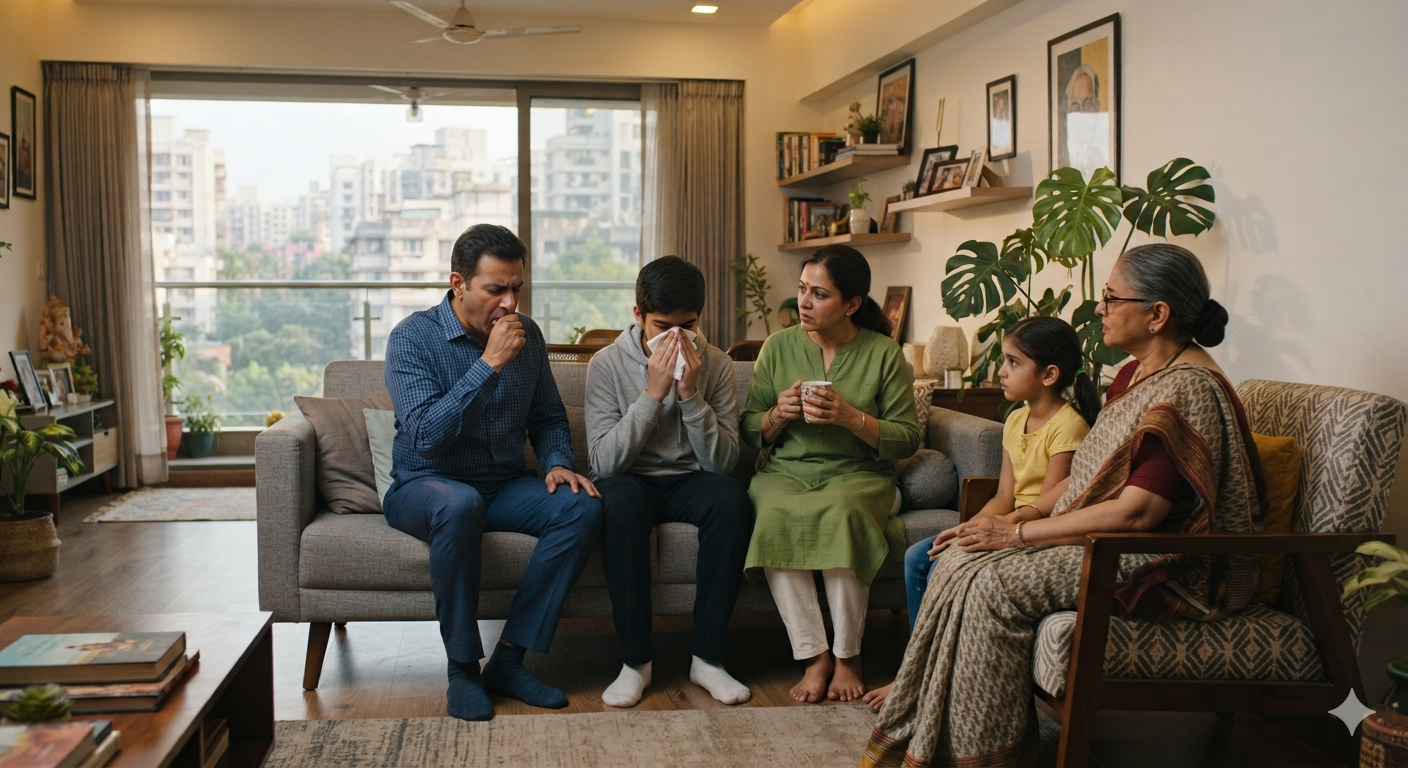
H1N1 cases are rapidly spreading across the national capital. According to the latest reports, Delhi has reported a total of 1,777 cases of H1N1 influenza this year, with 114 new cases recorded on August 20. Additionally, the most recent data from the Delhi government indicates that there have been a cumulative total of 2,602 cases of seasonal influenza in 2026, which includes both Influenza A and B. Among these, H1N1 is the predominant subtype, accounting for 1,777 cases. Doctors across the Delhi-NCR region are also observing an increase in H1N1 cases. Many individuals have noted that the infection is spreading rapidly among family members, particularly among children living in the same household. This phenomenon is often referred to as the "domino effect."
Why is it spreading rapidly?
The H1N1 virus, commonly known as the Swine Flu, is highly contagious and spreads like a domino effect inside households due to prolonged, close contact in enclosed spaces. When one person brings the virus home, shared air and surfaces quickly turn the house into a high-transmission zone.
Understanding the one-by-one spread
The rapid, one-by-one infection pattern within households is driven by three primary transmission routes:
-
Respiratory droplets
When an infected family member coughs, sneezes, or talks, they release infected respiratory droplets into the air. Anyone standing within 6 feet can inhale these droplets directly into their lungs.
-
Airborne aerosols
In poorly ventilated or air-conditioned rooms, tiny viral particles can remain suspended in the shared air for hours, infecting others who breathe the same air.
-
Surface contamination
The H1N1 virus can survive on hard surfaces for up to 24-48 hours. If an infected person touches their nose and then touches doorknobs, remote controls, dining tables, or other shared items, other family members pick up the virus on their hands and transfer it to their eyes, nose, or mouth.
How to stop transmission within family
1. Isolate
- Allot a dedicated room to the family member with symptoms.
- Designate only one healthy, non-vulnerable adult to provide food and medicine. Children, elderly family members, and pregnant women must stay completely away from the sick person.
- Keep the patient's plates, spoons, and cups completely separate. Wash them with hot water and dish soap using dedicated cleaning sponges.
2. Use masks
- The sick person must wear a mask if they need to leave their room or if anyone enters.
- The designated caregiver must wear a well-fitted N95 mask every single time they enter the patient's room. Discard it safely after use.
3. Eradicate surface contamination
- Wipe down shared household surfaces at least twice a day. Focus on doorknobs, light switches, refrigerator handles, taps, and toilet flush buttons.
- Use household disinfectants containing at least 70% alcohol or a diluted bleach solution, as standard water wipes will not kill the virus.
- Wash their laundry separately in hot water using standard detergent.
4. Maintain personal hygiene
- Every family member must wash their hands frequently with soap and water, especially before eating or touching their face.
- Ensure everyone coughs or sneezes into a disposable tissue or the crook of their elbow, followed by immediate hand sanitisation.
- Healthy family members who are not yet showing symptoms should consult a doctor about getting a flu shot to boost their defences.
H1N1 leads to symptoms including fever, chills, cough, runny nose, body ache, fatigue, headache and sore throat. The symptoms usually appear rapidly within one to four days of exposure. In most cases, healthy people recover from H1N1; however, the infection can become more serious in vulnerable groups.
Disclaimer: This content including advice provides generic information only. It is in no way a substitute for a qualified medical opinion. Always consult a specialist or your own doctor for more information. NDTV does not claim responsibility for this information.