

)
Delhi has reported 1,777 cases of H1N1 influenza so far this year, with 114 new cases recorded on August 20, even as senior scientists at the Indian Council of Medical Research (ICMR) have affirmed that no new H1N1 strain has been detected in the country. According to the latest Delhi government data, 2,602 cases of seasonal influenza, including both Influenza A and B, have been reported cumulatively in 2026. Of these, H1N1 accounts for 1,777 cases, making it the predominant influenza subtype in Delhi this year. Scientists at ICMR said, "the Influenza A (H1N1) pdm09 viruses currently circulating in India belong to the A/Missouri/11/2025 (H1N1) pdm09-like virus strain. These viruses belong to clade 6B.1A.5a2a, subclade D.3.1.1, and have been in circulation since 2025." The scientists have stressed that this does not represent the emergence of a new H1N1 strain and there is no cause for panic. They also said the circulating Influenza strains are well matched with the vaccine strains recommended for the Northern Hemisphere. The clarification is significant as the rise in H1N1 cases has prompted concerns about whether a new or more dangerous variant of the virus is circulating.
H1N1 predominant in Delhi this year
The Delhi government's data shows that Influenza A has accounted for the bulk of infections reported so far this year. Of the 2,392 Influenza A cases recorded cumulatively till August 20, H1N1 accounted for 1,777 cases. H1 and H3 subtypes accounted for 37 and 138 cases respectively, while 440 cases were classified under other Influenza A types. A further 210 Influenza B cases were reported, taking the grand total for Influenza A and B to 2,602 cases. The pattern is different from last year. According to the Delhi government, H3N2 was the predominant subtype in 2025, while H1N1 is predominant during the current year.
Most cases self-limiting, high-risk groups need caution
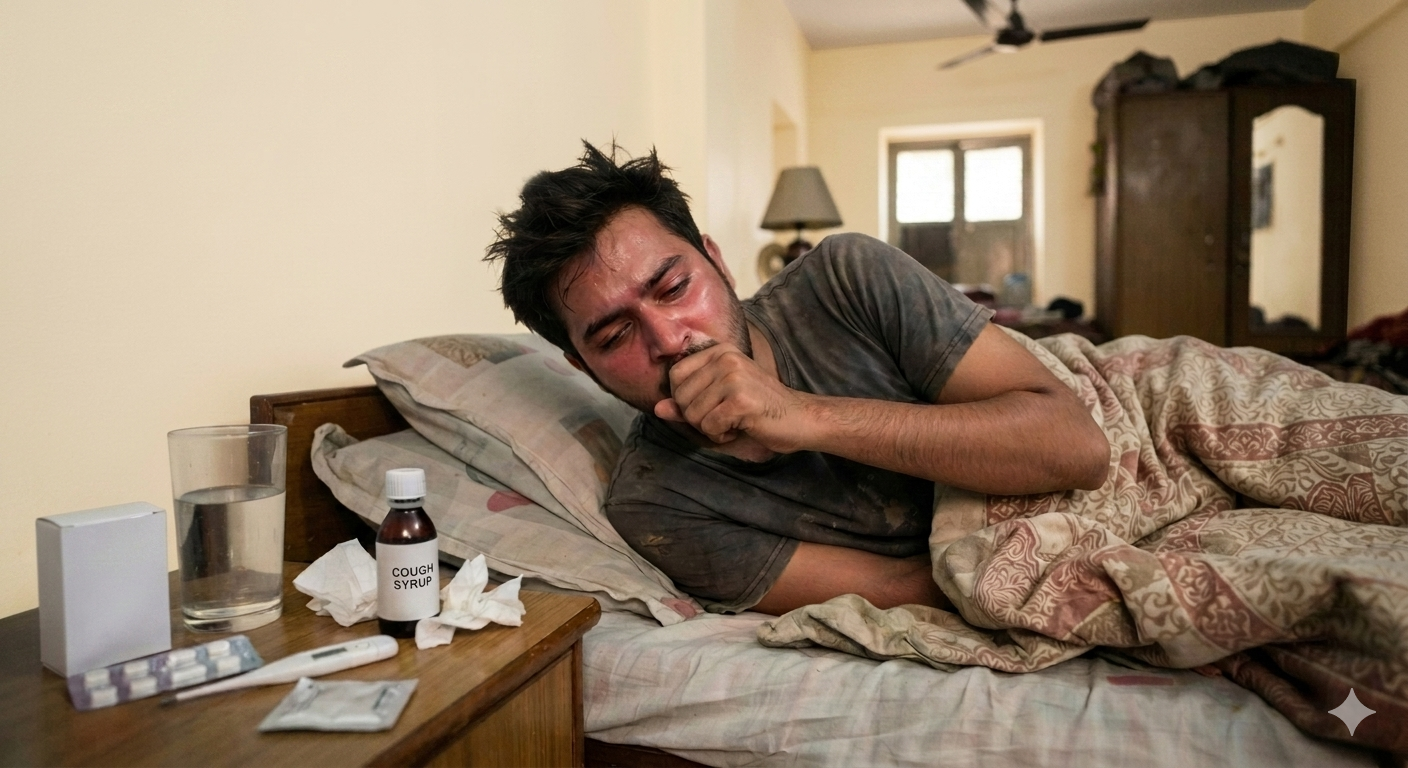
Seasonal influenza, including H1N1, is largely self-limiting. Common symptoms include fever, cough, headache, and body ache, with most people recovering with appropriate care and rest. However, young children, elderly people and those with underlying medical conditions are at greater risk of complications. People whose symptoms persist, worsen, or become severe have been advised to consult a doctor in time.
Delhi steps up surveillance
The Delhi government said it is closely monitoring the seasonal influenza situation through the Integrated Disease Surveillance Programme and tracking morbidity and mortality associated with influenza.
Daily data on influenza-like illness and severe acute respiratory infections is being monitored through the IDSP-IHIP portal, with regular updates shared with senior authorities. An inter-sectoral meeting was held on August 20 under the chairpersonship of the Secretary, Health and Family Welfare, with departments including the MCD, NDMC, Cantonment Board, Education Department and DDA. The departments were directed to step up public awareness and information campaigns on prevention and control of seasonal influenza.
The Delhi State Health Mission is also holding daily review meetings with Chief District Medical Officers, while advisories have been issued to hospitals and district health officials on screening, reporting and monitoring of influenza cases.
Two seasonal influenza peaks in India
The Delhi government said seasonal influenza cases typically rise during certain months. In India, there are generally two peaks one between January and March and another during the post-monsoon period. The government has said technical guidelines covering patient categorisation, treatment protocols, ventilatory management, mask use and home care are already in place. Training and sensitisation of healthcare workers are also underway.
Public health measures recommended to limit the spread include respiratory hygiene, using masks in crowded places, avoiding crowded areas, regular handwashing and limiting contact with people suffering from respiratory illnesses. People have also been advised not to take medicines without consulting a doctor.
Disclaimer: This content including advice provides generic information only. It is in no way a substitute for a qualified medical opinion. Always consult a specialist or your own doctor for more information. NDTV does not claim responsibility for this information.