

Blood circulation plays an important role in keeping the hands and legs healthy and functioning properly. Blood carries oxygen and nutrients to the muscles and tissues while also helping remove waste products. When blood flow is good, the limbs can get the oxygen they need for movement and everyday activities. Staying physically active, avoiding long periods of sitting and maintaining a healthy lifestyle can all help in better circulation. However, poor blood flow can sometimes be linked to an underlying health condition and should not be ignored.
Gentle physical activity can help to keep the muscles moving and support healthy blood flow throughout the body. Yoga combines controlled movements, stretching and breathing, which may help improve flexibility and reduce stiffness in the hands and legs. Certain poses also encourage movement and may help relieve the feeling of heaviness after sitting or standing for long periods. Here are some yoga asanas that can improve blood circulation in your hands and legs.
Yoga Asanas To Improve Blood Circulation
1. Adho Mukha Svanasana (Downward-Facing Dog)
Place your hands and feet on the floor while lifting the hips upwards, creating an inverted V shape. It stretches the calves, hamstrings, shoulders, wrists and arms while engaging several muscle groups. The movement can encourage blood flow through the limbs and may help reduce stiffness after sitting for long periods. Hold the position for a few breaths and avoid putting excessive pressure on the wrists. Beginners can keep their knees slightly bent instead of trying to straighten the legs completely.
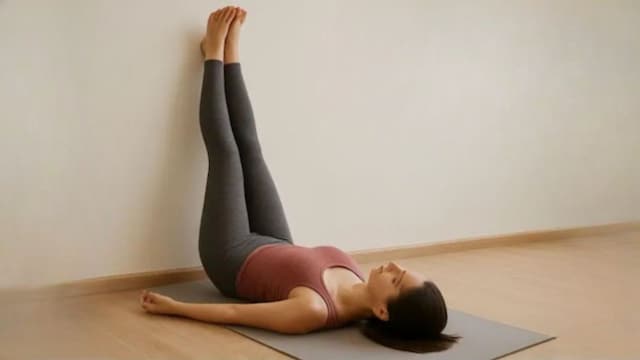
2. Viparita Karani (Legs-Up-The-Wall Pose)
In this pose, lie on your back with your legs resting vertically against a wall. Raising the legs above the level of the heart may help in the return of blood from the lower limbs towards the heart. This can be relaxing after spending several hours standing or walking. It may also help ease the feeling of heaviness in the legs. Stay in this position for a few minutes while breathing slowly and comfortably.
3. Tadasana (Mountain Pose)
Tadasana is a simple standing pose that focuses on posture, balance and body alignment. Stand upright with your feet firmly placed on the floor and distribute your weight evenly between both legs. The pose activates the muscles of the feet, calves and thighs while encouraging you to maintain an upright posture. You can also slowly raise and lower your heels while standing to add gentle movement.
4. Trikonasana (Triangle Pose)
Trikonasana involves standing with the legs apart, extending one arm towards the floor and reaching the other arm upwards. It provides a gentle stretch to the legs, hips and sides of the body while encouraging movement around the ankles and knees. The muscles of the lower body remain active as you maintain the position. Perform the movement slowly and keep your breath steady.
5. Setu Bandhasana (Bridge Pose)
In Bridge Pose, lie on your back with your knees bent and feet placed firmly on the floor. Slowly lift your hips while keeping your shoulders and feet grounded. This movement activates the muscles of the thighs, hips and calves. Hold the position for a few breaths before slowly lowering the hips. You can repeat the movement several times.
6. Pawanmuktasana (Wind-Relieving Pose)
This pose involves lying on your back and gently bringing one or both knees towards the chest. It encourages movement around the hips, knees and lower back and can help loosen stiffness in the lower body. Practising it one leg at a time may be more comfortable for beginners. Hold the knee gently rather than pulling it forcefully towards the chest.
7. Anulom Vilom
Although Anulom Vilom is a breathing practice, it can be combined with gentle movements of the hands and feet. While practising slow alternate-nostril breathing, slowly open and close the fingers and move the wrists, ankles and toes. These movements keep the smaller joints active and may help reduce stiffness in the hands and feet. Keep the breathing relaxed and avoid holding your breath or forcing the movements.
Disclaimer: This content including advice provides generic information only. It is in no way a substitute for a qualified medical opinion. Always consult a specialist or your own doctor for more information. NDTV does not claim responsibility for this information.