

)
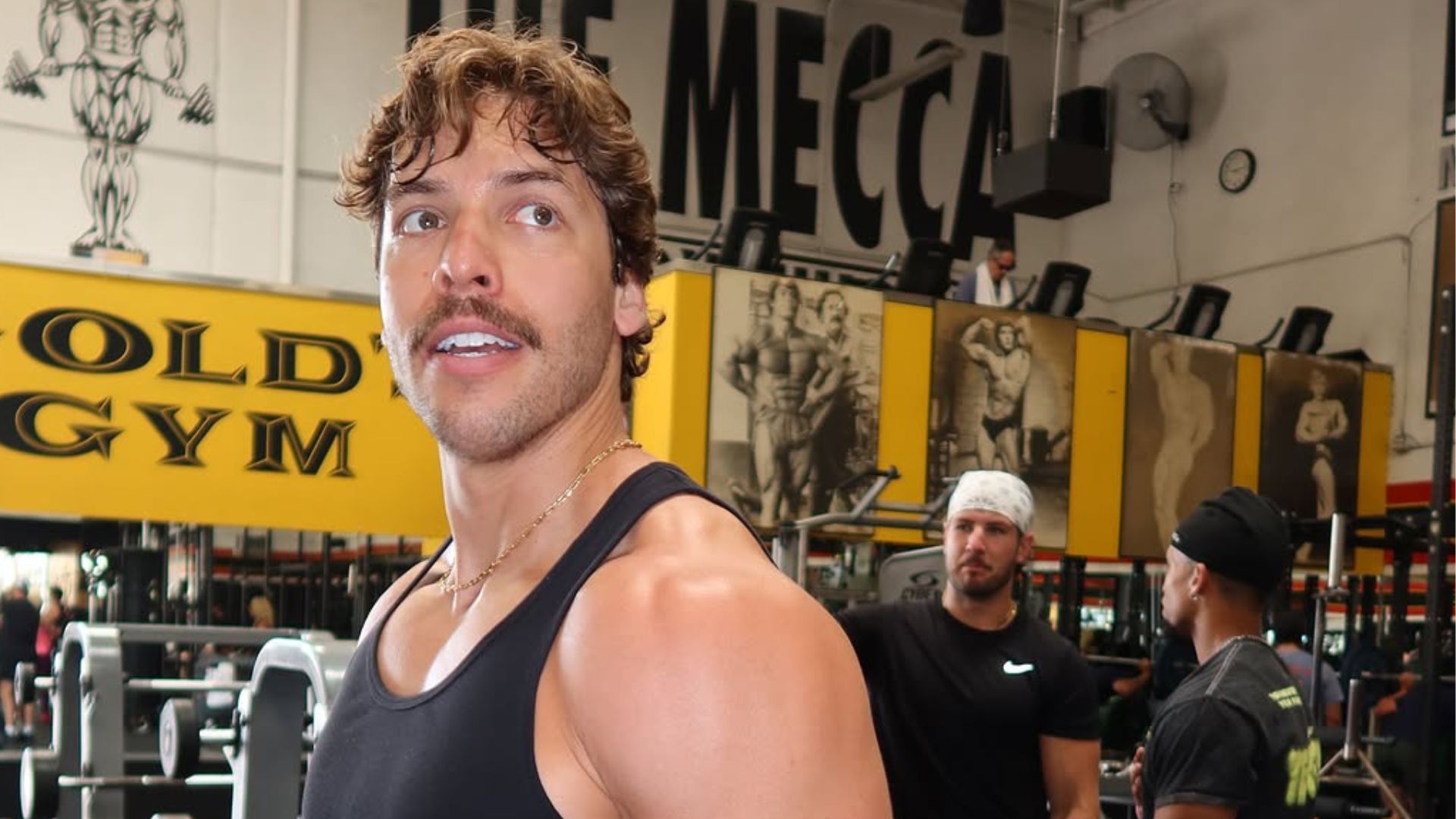
A broad, muscular back is one of the defining features of a classic bodybuilding physique. While modern gyms are filled with machines and specialised equipment designed to target individual muscles, some of the most effective back-building exercises have remained remarkably simple. Arnold Schwarzenegger's son Joseph Baena has recently highlighted a training approach built around old-school movements that focus on pulling strength, muscle control and overall back development. The routine is a reminder that building a wider, stronger back does not necessarily require complicated exercises or an endless list of machines. For anyone looking to improve their physique, four movements stand out for their ability to train the major muscles of the back while also challenging the arms, shoulders and core.
Why Back Training Matters For Building Width
The back is made up of several muscles that work together to create strength and shape. The latissimus dorsi, commonly called the lats, are particularly important when it comes to developing the appearance of a wider upper body. When the lats become more developed, they can create the classic V-shaped physique, with broader shoulders and upper back tapering towards the waist. But width is only one part of back development. The trapezius, rhomboids, spinal erectors and other supporting muscles contribute to thickness, posture and pulling strength. A well-designed back workout therefore needs a combination of vertical pulling and horizontal rowing movements.
Old-school bodybuilding routines often focused heavily on these basic patterns because they allowed lifters to progressively increase resistance while developing strength and muscular control.
1. Pull-Ups
Pull-ups are among the most effective bodyweight exercises for developing the upper back. The movement primarily challenges the lats while also recruiting the biceps, forearms and muscles responsible for stabilising the shoulder blades. Because you have to move your own body weight, pull-ups also require considerable control. For beginners, performing a full set of pull-ups can be difficult. That does not mean the exercise has to be abandoned. Assisted pull-up machines, resistance bands or controlled negative repetitions can help build the strength required to eventually perform unassisted repetitions. Technique matters more than simply trying to complete as many repetitions as possible.
2. T-Bar Row 4 Sets of 10 Reps
Now it's time to bring in some serious weight. Baena calls the T-bar row one of his favourite exercises, particularly because of how effective it is for adding thickness to the back. Unlike the pull-ups, which focus on vertical pulling, the T-bar row introduces a heavy horizontal pulling movement that works the lats while also engaging the traps, rhomboids and rear delts.
It's also an exercise that allows you to lift relatively heavy loads, making it a strong choice for building overall back strength and size.
3. High Cable Row 3 Sets of 10-12 Reps
Baena then changes the pulling angle with high cable rows. By keeping his elbows higher and flaring them outward as he rows, he shifts more of the workload towards the upper back. The movement particularly targets the traps and rear delts, helping build density across the upper portion of the back. However, Baena advises beginners not to immediately copy the deep forward stretch he incorporates between repetitions. If you're new to lifting, he recommends keeping your torso more upright and focusing on pulling the weight back with your elbows flared. The priority should be mastering the movement and developing proper form before experimenting with more advanced variations.
4. Single-Arm Pulldown 3 Sets of 10 Reps Per Side
Baena finishes the workout with a unilateral movement: the single-arm pulldown. It isn't something he includes in every workout, but he turns to it when he feels one side of his back isn't working or developing as effectively as the other. Training one side at a time allows him to focus on the contraction and prevent the stronger side from taking over. For Baena, this also comes down to developing a strong mind-muscle connection. He believes being able to consciously engage and contract the muscle you're training is particularly important for bodybuilding. But the principle can benefit anyone who works out. Paying attention to where you feel each movement can help you identify whether your technique is working as intended and make adjustments when necessary.
Disclaimer: This content including advice provides generic information only. It is in no way a substitute for a qualified medical opinion. Always consult a specialist or your own doctor for more information. NDTV does not claim responsibility for this information.