

)
Your gut health is not just about what you eat. Your daily routine also plays a role. From rushing through meals to constantly snacking, small habits can shape how you feel after eating and how regular your digestion is.
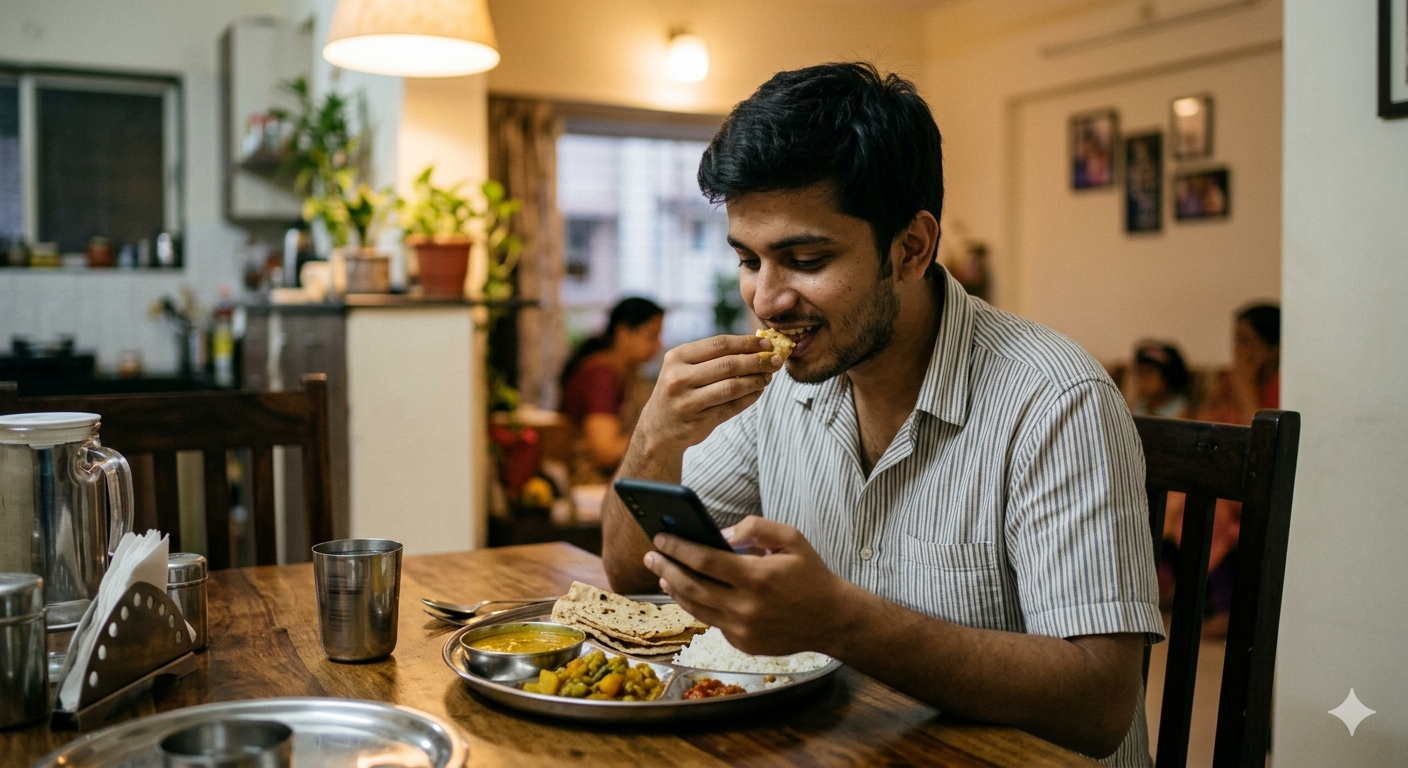
The tricky part is that many of these habits do not feel unhealthy at first. They are things people do without thinking. Eating lunch while scrolling through Instagram, ignoring the urge to use the washroom or reaching for a painkiller for a minor headache can all become part of a daily routine.
Dr Saurabh Sethi, MD, MPH, a gastroenterologist trained at AIIMS, Harvard and Stanford University, has shared a post on Instagram listing eight habits he says could be affecting your gut health.
Here is what he highlights:
1. Eating while scrolling
According to Dr Sethi, eating while distracted can make it harder to notice fullness. He says this may lead to overeating. His suggestion is simple: try putting the phone away while eating.
2. Skipping breakfast
Dr Sethi challenges the idea that randomly skipping breakfast is automatically a form of intermittent fasting. He says irregular meal patterns can affect stress levels and gut movement.
3. Ending every meal with something sweet
Having something sweet after every meal may also become a habit worth watching. Dr Sethi says frequent sugar intake can influence the balance of bacteria in the gut and may keep you craving more.
4. Taking ibuprofen for every small headache
Dr Sethi also points to frequent use of NSAIDs such as ibuprofen. These medicines can irritate the stomach and gut lining, especially when used often.
5. Drinking most of your water at night
Instead of drinking very little all day and then trying to catch up at night, he recommends staying hydrated throughout the day.
6. Ignoring the urge to poop
Holding it in regularly can make bowel habits less predictable. Dr Sethi says repeatedly delaying the urge may contribute to constipation.
7. Constant snacking
Dr Sethi says frequent eating leaves less time between meals for the digestive system's normal processes. Spacing meals out may be a better approach for some people.
8. Eating close to bedtime
Late-night eating can also affect digestion and sleep. Dr Sethi recommends giving your body some time between your last meal and bedtime.
The takeaway is not to obsess over every meal or routine. Instead, notice the small habits you repeat every day. Sometimes, simple changes can make your overall routine more gut-friendly.
Disclaimer: This content including advice provides generic information only. It is in no way a substitute for a qualified medical opinion. Always consult a specialist or your own doctor for more information. NDTV does not claim responsibility for this information.