

)
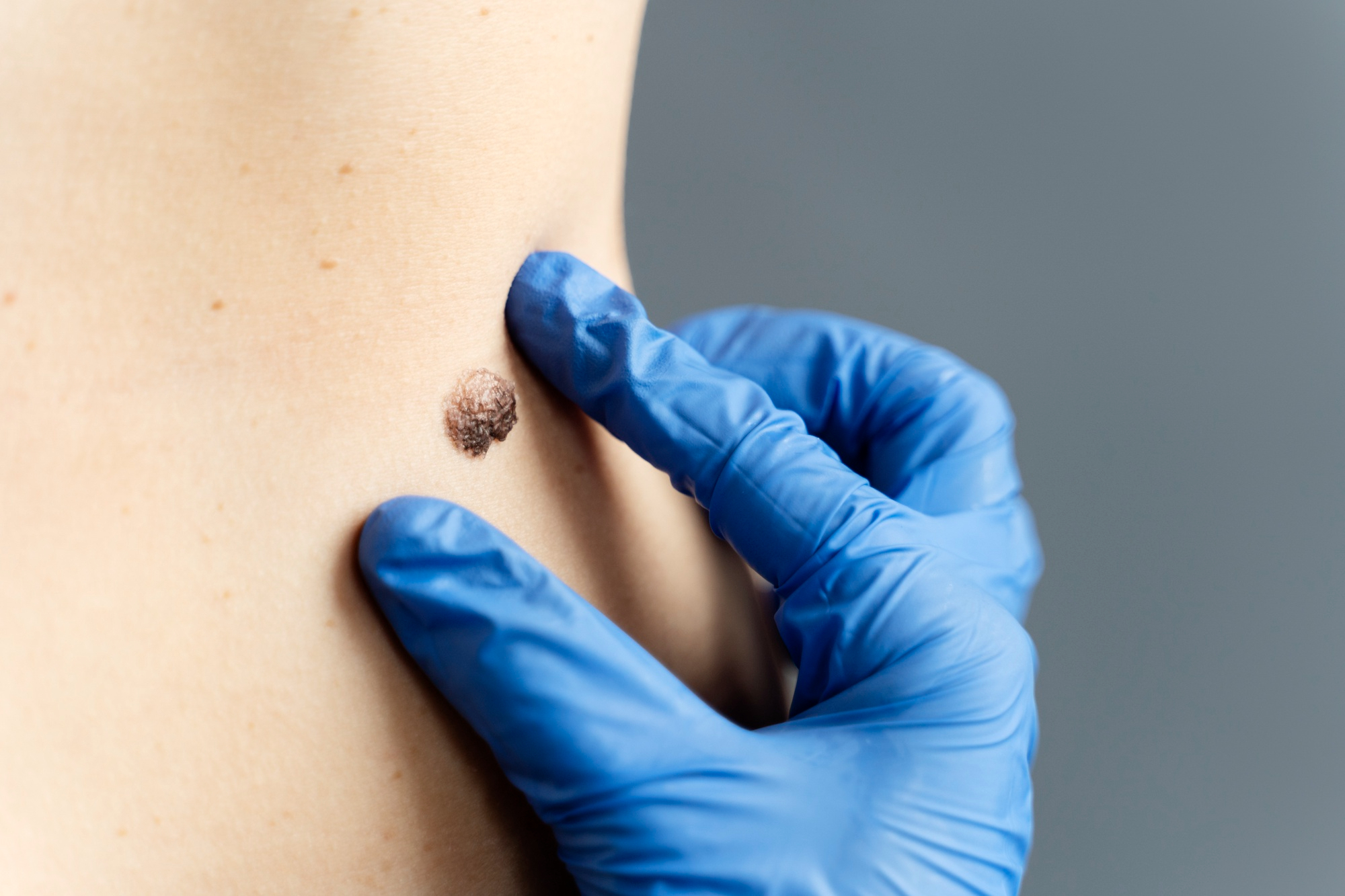
A mole that has been sitting on your skin for years may seem harmless, especially if it does not hurt, itch or bleed. But dermatologists say pain is not a reliable indicator of whether a skin lesion is dangerous. Some skin cancers can grow slowly and remain painless for years, allowing them to go unnoticed. This is where the ABCDE rule can help. It is a simple method used to identify changes in moles and other pigmented lesions that may require medical evaluation. While the ABCDE rule cannot diagnose skin cancer, it can help people recognise warning signs early and know when to consult a dermatologist. Dr Neena Khanna, Head, Dermatology, Amrita Hospital, Faridabad, says people should pay particular attention to changes in a mole, growth or patch rather than assuming that a lesion is safe simply because it has been present for a long time.
Why Can Skin Cancer Go Undiagnosed For Years?
Skin cancer does not always announce itself through pain or dramatic symptoms. Some lesions can develop gradually, with subtle changes that may be difficult for a person to notice. Dr Khanna recalls a patient with multiple basal cell carcinomas who reported that the lesions had been present for around 10 to 12 years. "Basal cell cancer grows very slowly and may be painless for a long time. Absence of pain may lead to false reassurance and delay in presentation," she explains. This is why monitoring the skin for new or changing lesions can be more useful than waiting for a mole to become painful.
What Is The ABCDE Rule?
The ABCDE rule provides five features that can help people identify suspicious changes in a mole or pigmented lesion.
A - Asymmetry
Look at the overall shape of the mole. If one half does not resemble the other half, it may be considered asymmetrical. Most harmless moles tend to have a relatively symmetrical appearance. A lesion that becomes increasingly uneven or develops an irregular shape should be examined by a dermatologist. However, asymmetry alone does not mean that a mole is cancerous. It is one warning sign that needs to be considered alongside other changes.
B - Border
Pay attention to the edges of the lesion. A mole with an irregular, uneven, jagged or poorly defined border may require further evaluation. Changes in the border can sometimes indicate abnormal growth within the lesion.
If the edges of an existing mole begin to look noticeably different from how they appeared previously, it is worth getting the lesion checked.
C - Colour
Changes in colour can also be important. A mole that develops multiple shades or changes significantly in colour should not be ignored. Concerning colour changes may include combinations of brown, black, red, white or bluish areas within the same lesion. That does not mean every multicoloured mole is cancerous. Some benign lesions can naturally have variations in pigmentation. The important point is to look for new or progressive changes.
D - Diameter
The size of a lesion is another factor to monitor. Traditionally, the ABCDE rule considers a diameter of more than approximately 6 millimetres as a warning sign. However, smaller lesions can also be significant, so size should never be used as the only reason to decide whether a mole is safe.
A mole that is steadily increasing in size deserves medical attention, particularly when the growth is accompanied by changes in its shape, colour or border.
E - Evolving
Perhaps the most important part of the ABCDE rule is E for evolving. A mole that changes over time should be monitored closely. This could mean that it grows rapidly, changes shape or colour, develops an irregular surface, begins itching or starts bleeding.
Dr Khanna says, "A mole that grows quickly, one side that grows differently from the other, a surface that ulcerates, or a lesion that itches or bleeds should definitely be checked by a dermatologist." She also highlights another change that people may overlook: a lesion that was previously soft becoming noticeably hard. "These changes do not always mean cancer but they should not be ignored," she adds.
Can Skin Cancer Occur On Darker Skin?
There is a common misconception that people with darker skin are protected against skin cancer. While some types of skin cancer are more frequently diagnosed in lighter skin, darker skin does not eliminate the risk. Dr Khanna says skin cancer can occur in people with darker skin and may sometimes be overlooked because of this misconception.
"In my OPD, we are seeing two to three patients with skin cancer every month," she says. Importantly, skin cancer does not necessarily occur only on areas that are constantly exposed to sunlight. Lesions can develop on covered parts of the body as well. Therefore, people should not assume that a suspicious lesion is harmless simply because it is located on a part of the body that receives little sun exposure.
What Causes Skin Cancer?
Sun exposure is an important risk factor for several types of skin cancer, particularly because ultraviolet radiation can damage the DNA of skin cells over time. However, skin cancer can have multiple contributing factors. According to Dr Khanna, genetics, chronic wounds, arsenic exposure and immunosuppression can also play a role. A person's overall risk therefore depends on a combination of factors rather than exposure to sunlight alone.
Which Types Of Skin Cancer Are Common?
Skin cancer is not a single disease. Different types can behave very differently. Basal cell carcinoma is one of the common forms and typically grows slowly. Because it may remain painless for a long period, people can sometimes ignore it. Squamous cell carcinoma can be more aggressive and has the potential to spread to other parts of the body if left untreated. Malignant melanoma is less common but is considered particularly aggressive because it can spread rapidly. Early detection can therefore make an important difference in determining the appropriate treatment approach.
Does A Changing Mole Always Mean Cancer?
A change in a mole or skin lesion does not automatically mean that a person has skin cancer. Many benign skin conditions can change over time. The ABCDE rule is a screening and awareness tool, not a diagnostic test. A dermatologist may examine the lesion more closely and, if necessary, recommend additional testing such as dermoscopy or a biopsy to determine whether abnormal cells are present. The important message is not to self-diagnose but to recognise changes early enough to seek professional evaluation.
When Should You See A Dermatologist?
You should consider getting a skin lesion checked if you notice:
- A mole becoming asymmetrical
- An irregular or changing border
- Significant changes in colour
- Rapid increase in size
- A new or unusual growth
- Persistent itching
- Bleeding or ulceration
- A lesion becoming harder than before
- A sore or wound that does not heal
- Any persistent skin lesion that looks different from the others
You do not need to wait for pain to develop. Skin cancer can sometimes remain hidden in plain sight because people assume that a longstanding, painless mole cannot be dangerous. But as Dr Khanna's clinical experience highlights, some skin cancers can grow slowly for years without causing significant discomfort. The ABCDE rule offers a simple way to become more aware of suspicious changes: Asymmetry, Border, Colour, Diameter and Evolution. The most important of these may be noticing that something is changing.
A mole that suddenly grows, changes colour, develops an irregular border, bleeds, itches, ulcerates or becomes harder should be evaluated rather than ignored. And regardless of skin tone or whether a lesion is located on a sun-exposed area, persistent or changing skin abnormalities deserve attention. As Dr Khanna puts it, "Don't wait until a skin lesion is painful to take it seriously." Early evaluation by a dermatologist can help distinguish harmless changes from conditions that require treatment
Disclaimer: This content including advice provides generic information only. It is in no way a substitute for a qualified medical opinion. Always consult a specialist or your own doctor for more information. NDTV does not claim responsibility for this information.