)
Heart disease is the leading cause of death across the world. According to the World Health Organization (WHO), cardiovascular diseases (CVDs) accounted for an estimated 19.8 million deaths in 2022, which represents approximately 32% of all global deaths. Of these deaths, 85% were due to heart attack and stroke. One of the major challenges is that many serious heart conditions develop silently. People often feel completely healthy until symptoms such as chest pain, shortness of breath, or fatigue suddenly appear. By that time, the disease may have already caused damage. This is also why doctors have been looking for better ways to detect heart problems much earlier, when treatment can help prevent complications.
This problem might now be resolved as the U.S. Food and Drug Administration (FDA) has approved EchoNext. It is the world's first artificial intelligence (AI) tool designed to identify hidden structural heart disease from a routine electrocardiogram (ECG). Instead of replacing doctors, the AI helps them spot warning signs that may otherwise go unnoticed. This approval could make early heart disease screening more accessible, allowing patients to receive further testing and treatment before symptoms develop.
What Is EchoNext?
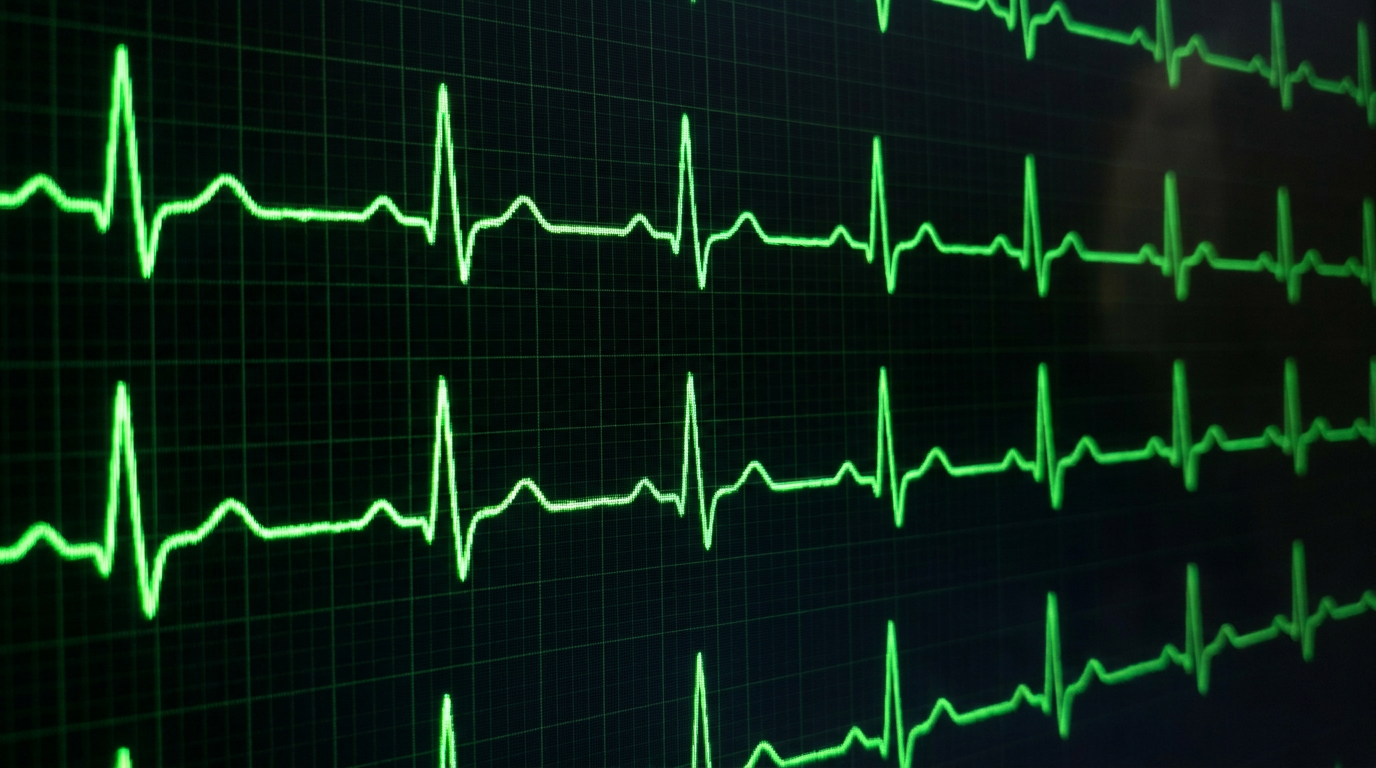
EchoNext is an AI-powered screening tool developed by researchers at NewYork-Presbyterian and Columbia University. It analyses a standard ECG which is a simple and widely available test that records the heart's electrical activity. ECGs are mainly used to detect irregular heart rhythms or signs of a heart attack. However, many structural heart diseases cannot be diagnosed using an ECG alone. Patients usually need an echocardiogram, which is an ultrasound scan of the heart, to confirm these conditions. EchoNext bridges this gap by identifying patients whose ECG patterns suggest they may have hidden structural heart disease and should undergo an echocardiogram.
Dr. Pierre Elias, medical director for artificial intelligence at NewYork-Presbyterian and assistant professor of medicine and biomedical informatics at Columbia University Vagelos College of Physicians and Surgeons, who led the team of researchers who developed the technology, said, "Through EchoNext, we are able to diagnose critical, high-risk conditions that the human eye can't, and potentially deliver lifesaving treatment earlier."
Why Early Detection Matters
Structural heart disease includes problems involving the heart's valves, chambers, walls, or pumping ability. These conditions often develop slowly and may not cause noticeable symptoms in the early stages. As a result, many people remain unaware that they have a serious heart problem until the disease reaches an advanced stage. Spotting these conditions early can make a major difference.
Earlier diagnosis allows doctors to start treatment sooner, monitor patients more closely, and reduce the risk of heart failure or other life-threatening complications. In many cases, timely treatment can improve quality of life and prevent the disease from worsening.
How The AI Tool Works
EchoNext examines the electrical signals captured during a routine ECG. Although these signals may appear normal to the human eye, the AI has been trained to detect subtle patterns linked to structural heart disease.
The system was developed using more than 7,00,000 paired ECGs and echocardiograms collected across the NewYork-Presbyterian health system. By learning from this dataset, the AI can identify patients who are likely to benefit from additional heart imaging.
Also, the tool does not make the final diagnosis. Instead, it acts as an early screening system that alerts healthcare providers when further evaluation is needed.
A Real-Life Example
The technology has already shown its potential in clinical practice. Researchers reported the first peer-reviewed case, which was published in the journal Nature Communications. In this case, EchoNext identified severe but previously undiagnosed heart failure in a 45-year-old man who had no obvious warning signs. The AI flagged the patient's ECG, leading doctors to perform additional testing that confirmed the condition.
The patient later received a heart transplant, highlighting how earlier detection may help identify life-threatening diseases before they become even more dangerous.
One of the biggest advantages of EchoNext is that it works with a test already used across the world. No new equipment is required, making it easier to introduce into existing healthcare systems. The AI may also help reduce unnecessary echocardiograms by identifying patients who are most likely to benefit from additional testing.
"We sought to develop, validate, and deploy AI technologies that would meaningfully change the way we take care of patients," said Dr. Elias. "We're now at a point where we can see that impact and meet patients who are benefiting from these technologies every day."
Disclaimer: This content including advice provides generic information only. It is in no way a substitute for a qualified medical opinion. Always consult a specialist or your own doctor for more information. NDTV does not claim responsibility for this information.