

)
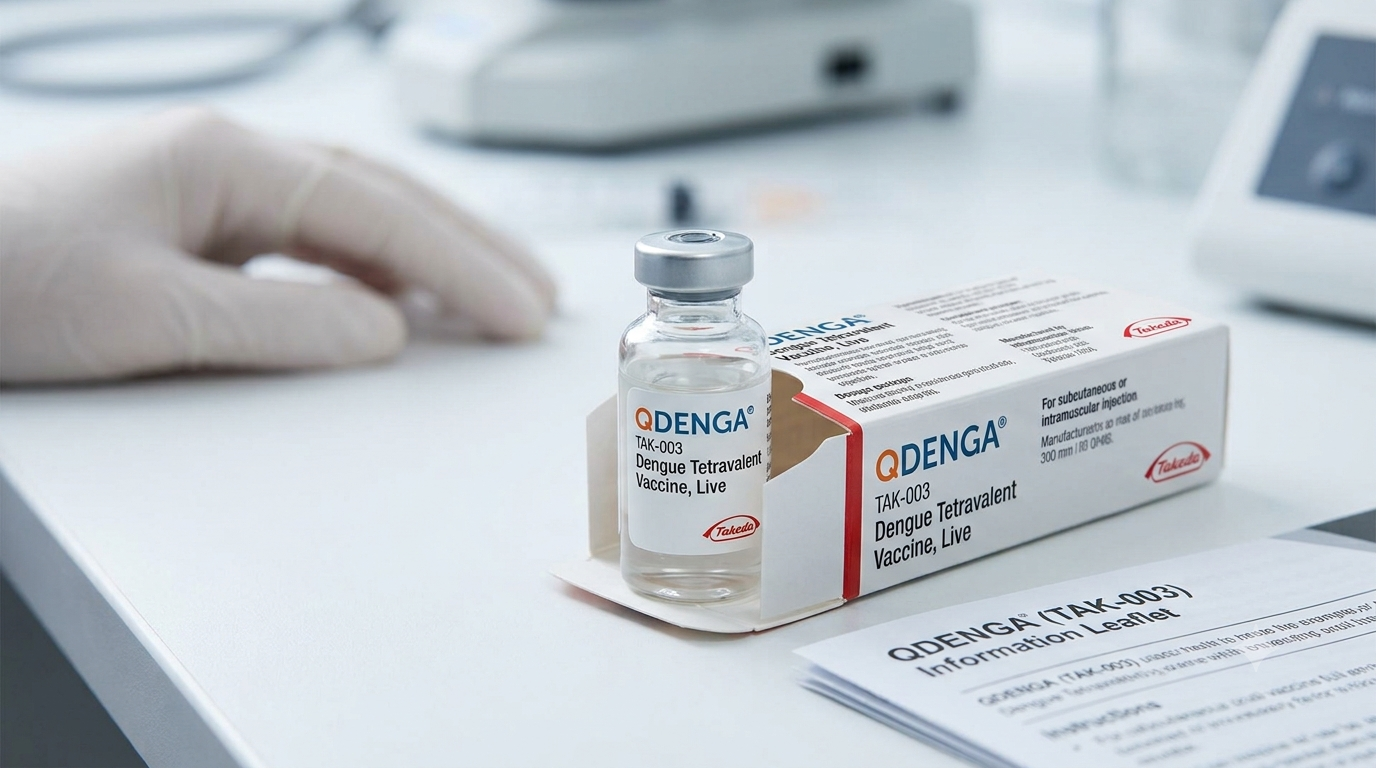
Takeda's Qdenga dengue vaccine is set to launch in early 2027, but there is growing public concern that vaccination could affect laboratory test results. You need to be aware of how the dengue vaccine works and how it can affect your blood reports if you ever get a dengue fever panel done. The Nature Medicine Journal suggests that the vaccine affects dengue strain (DENV1-4), baseline, age, symptomatic dengue, and hospitalisation from dengue. Qdenga is a vaccine that has been designed to stimulate dengue-specific antibodies and build immunity rather than natural infection. Tests that are used to detect active viruses, such as NS1 antigen assays and fever panels, remain critical diagnostic tools for dengue illness.
What Is The Takeda Dengue Vaccine?
The Takeda dengue vaccine is designed to protect against all four dengue viruses and their strains, such as DENV-1, DENV-2, DENV-3, and DENV-4. It uses a weakened form of the virus to help the immune system used to recognise and fight dengue before a natural infection takes hold of the host body.
The vaccine has been designed to mimic natural infection without causing any disease, but the immune system recognises it as foreign. Immune cells create antibodies, and the T-cells respond against dengue.
How Is Dengue Diagnosed?
Dengue is diagnosed based on a combination of the symptoms that affect the host body, the timing of the illness, and certain laboratory tests that detect the virus or the immune system's response to it.
NS1 Antigen Test
The NS1 (non-structural protein 1) antigen test is one of the earliest laboratory tests that is used to diagnose dengue fever. It specifically detects the NS1 protein, which is released in the body when the dengue virus takes hold of the infection.
Dengue PCR Test
The reverse transcriptase polymerase chain reaction is a test that detects the genetic material or RNA of the dengue virus in a dengue patient's blood.
It is used for accurate detection of an active dengue infection, which is the early phase of illness.
Dengue IgM Antibody Test
The blood tests check how your body starts fighting a dengue infection. Particularly, it identifies IgM antibodies, which are proteins made by the immune system as a response to the dengue infection.
Dengue IgG Antibody Test
This blood test looks at the IgG antibodies, which are immune proteins that are produced by the body after possible exposure to the dengue virus. It is used to indicate past dengue infection, any chance of previous exposure, or immunity developed after vaccination.
Can The Takeda Dengue Vaccine Cause A Positive Dengue Test?
Research in the Scientific Reports indicate that people who take the Takeda dengue vaccine can witness a positive dengue test, specifically on the IgG antibody tests. But the test is used to detect active dengue virus, such as the NS1 antigen test and RT-PCR, and is not expected to become positive just after a vaccination.
Will It Affect NS1 Antigen Tests?
No, as per peer-reviewed journals, there is no correlation to cause any positive result. The vaccine only shows active dengue infection, not dormant or inactive dengue strain.
Will It Affect PCR Tests?
It is typically designed to detect active viruses, not inactive viral strains.
Can It Influence IgG Antibody Tests?
These tests can show some positive results, as the vaccination can generate antibodies.
What About IgM Tests?
These kinds of tests are designed to detect Immunoglobulin M (IgM) antibodies, which are produced by the immune system shortly after a dengue infection.
What Symptoms Should Prompt Medical Evaluation After Vaccination?
After dengue vaccination, the immune system reacts to the serology of the vaccine's design, which can result in normal symptoms, but if serious symptoms are experienced, then medical evaluation is necessary. These symptoms are:
- High fever
- Severe headache
- Persistent vomiting
- Abdominal pain
- Bleeding manifestations
- Signs of severe dengue
Why Test Interpretation Matters In Dengue-Endemic Countries Like India
The National Centre for Vector-Borne Disease Control (NCVBDC) has documented over 6,927 cases of dengue in 2026, with 10 dengue-related deaths in 2026. There are seasonal outbreaks of dengue that increase the healthcare burden, and more and more people are looking for increased vaccine uptake.
Note: You need to inform your doctor of your vaccination history before getting a dengue vaccine.
Key Questions To Ask Your Doctor Before A Dengue Test
These kinds of questions are necessary, as staying aware of possible side effects can make your dengue vaccination much safer.
- Should I mention recent dengue vaccination?
- Which dengue test is most useful now?
- Can vaccination affect antibody results?
- Do I need repeat testing?
- Could another infection explain my symptoms?
The Takeda dengue vaccine has been designed to establish protective immunity. But some antibody tests can indicate a positive result.
Also Read: Why India's Multi-Strain Dengue Outbreaks Are Dangerous
Disclaimer: This content including advice provides generic information only. It is in no way a substitute for a qualified medical opinion. Always consult a specialist or your own doctor for more information. NDTV does not claim responsibility for this information.