

)
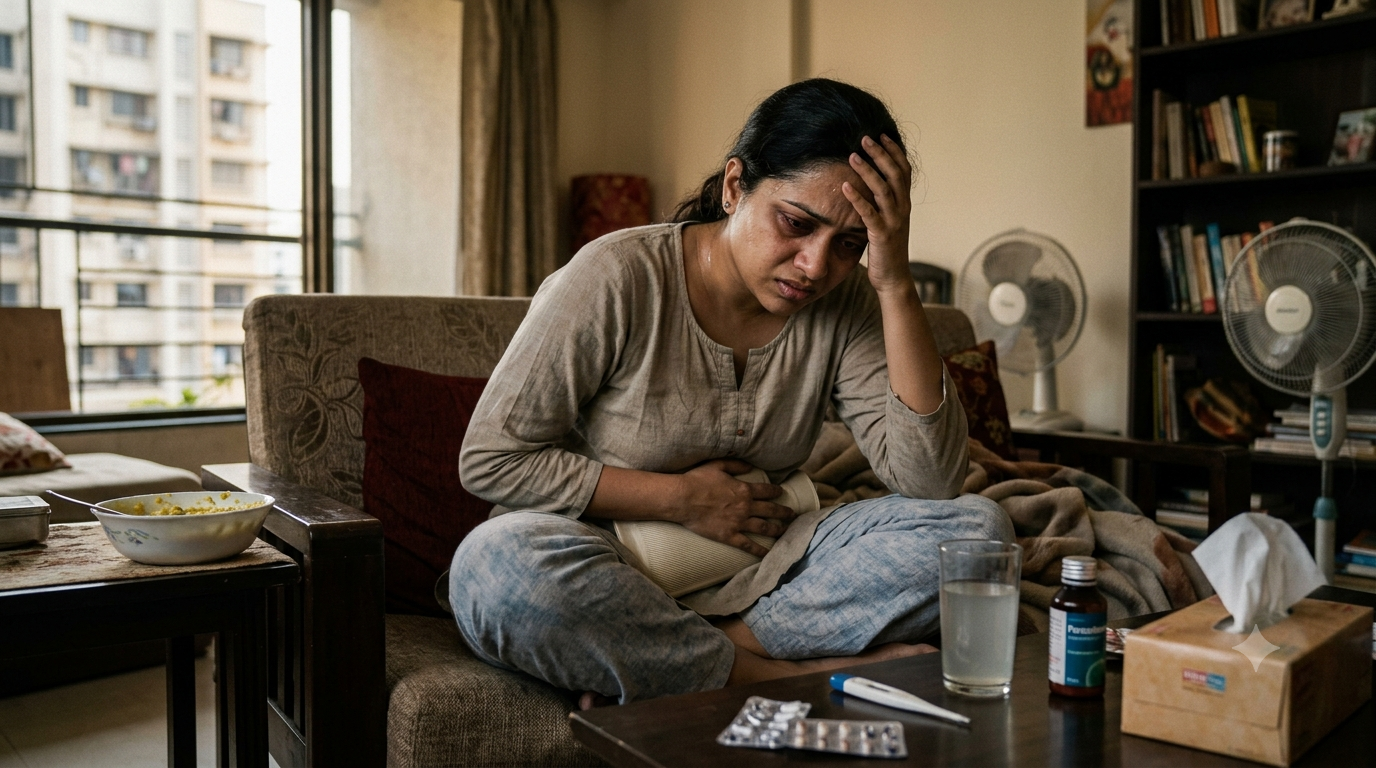
The problem of gas and bloating happens to everyone over their lifetime. It can be related to digestive system functioning issues, but the main byproduct is trapped gas. This trapped gas can cause a sharp pain that can result in discomfort, but the pain could also be related to a serious medical condition. In order to know what is causing the stomach pain, you need to know when to seek urgent medical care, as the medical condition could progress and cause health complications.
A way to ensure that it doesn't happen to you is to know the exact symptoms, as trapped gas could be a sign of a serious digestive issue or a number of medical conditions. Functional digestive disorders and stomach diseases such as irritable bowel syndrome (IBS), dyspepsia, small intestinal bacterial overgrowth (SIBO), constipation, coeliac disease, appendicitis, bowel obstruction, diverticulitis, gallstones, and pancreatitis could be behind trapped gas and the sharp stomach pain.
Can Trapped Gas Cause Severe Stomach Pain?
Yes, as trapped gas can become the reason for severe stomach pain, as the structure of the digestive system makes it possible. If an excessive amount of air is swallowed while eating food or any other irritant enters the system, then gas can get trapped.
Another cause of trapped gas could be related to the consumption of foods and beverages that cause gas buildup in the digestive system.
When trapped gas doesn't get the path it needs to escape, then the risk of developing digestive disorders can increase.
Common Symptoms Of Trapped Gas
The BJGP Journal has pointed out common symptoms that may happen to those who have trapped gas in their digestive tract. These symptoms can be:
- Bloating
- Cramping
- Burping
- Flatulence
- Temporary abdominal pain
How Long Gas Pain Typically Lasts
The stomach pain due to trapped gas can last until it can be passed or you experience a bowel movement. But the exact location of trapped gas could cause the stomach pain to shift.
Signs Your Stomach Pain May Be More Than Gas
When stomach pain is related to other causes besides trapped gas, then there are signs that could indicate that it is more than gas. Here is what you need to be aware about:
- Pain that is intense and occurs suddenly
- Persistent abdominal pain that lasts for hours or days on end
- Pain that interferes with daily activities such as standing upright or causes an inability to eat or sleep.
Red-Flag Symptoms That Need Immediate Medical Attention
These symptoms can turn into red-flag symptoms when their severity increases. Here are the red-flag symptoms that should make you immediately seek medical help:
- Severe stomach pain with fever could be due to a possible infection or inflammation.
- Persistent vomiting or inability to keep fluids down could increase the chance of dehydration or be due to a bowel obstruction.
- Blood in vomit or stool could be a sign of possible gastrointestinal bleeding.
- Fainting, dizziness, or confusion could be a medical emergency.
- A rigid or swollen abdomen could be due to a serious underlying medical condition.
- Chest pain along with abdominal pain is a sign that trapped gas requires urgent evaluation by a medical professional.
Serious Conditions That Can Cause Severe Abdominal Pain
Several medical conditions could be behind sharp stomach pain that needs timely medical care. Here are the conditions that you need to be aware of and take timely action to stop the progression to more serious health complications:
- Appendicitis
- Gallstones and gallbladder disease
- Pancreatitis
- Kidney stones
- Peptic ulcers
- Intestinal obstruction
- Diverticulitis
- Abdominal Aortic Aneurysm (This is a rare case, but it is life-threatening and needs immediate medical care)
What To Do If You Have Severe Stomach Pain
If you are experiencing severe stomach pain, then you need to implement an at-home care schedule for the severity of your discomfort. Here is exactly what you need to do:
When Home Care May Help
When stomach pain is related to trapped gas, and you feel better after doing these practices, then it is not that serious:
- Walking
- Hydration
- Dietary adjustments
When To Call A Doctor Immediately
A doctor consultation should be a priority when you are experiencing:
- Severe abdominal pain
- Red-flag symptoms
- Worsening pain
When To Go To The Emergency Room
A visit to urgent medical care becomes necessary when you experience any of these signs:
- Internal bleeding that is visible in your stool
- Severe dehydration
- Suspected appendicitis (the pain generally presents itself in the right lower quadrant, just above your pelvic area)
- Sudden unbearable pain
How Doctors Diagnose Severe Stomach Pain
Severe stomach pain can be diagnosed by medical professionals by looking at a number of factors that can help them correctly diagnose the medical issue and start the treatment on time. These factors include:
- Looking at your medical history
- Physical examination to locate the pain and assess the condition of your abdominal area
- Blood tests to comprehend the internal state of your digestive system.
- Ultrasound to root out any possible obstruction.
- CT scan to get an accurate picture of your organs and their state.
- Endoscopy when necessary to get an internal snapshot of your digestive tract without an operation.
Can Severe Stomach Pain Be Prevented?
Severe stomach pain can be prevented if you follow habits that keep your digestive system happy. You can do so by:
- Eating your food slowly
- Staying hydrated to keep your electrolytes balanced
- Increasing fibre gradually to keep your digestive function optimal.
- Managing digestive disorders on time to avoid progression and serious health complications.
- Avoid known trigger foods that can worsen your digestive health.
- Seek prompt treatment when symptoms persist, as serious medical conditions can trigger serious stomach pain.
Severe stomach pain can be due to trapped gas, but you need to know when it can turn into a serious medical issue.
Also Read: 5 Benefits Of Consuming Curd Or Dahi For Gas Relief
Disclaimer: This content including advice provides generic information only. It is in no way a substitute for a qualified medical opinion. Always consult a specialist or your own doctor for more information. NDTV does not claim responsibility for this information.