

)
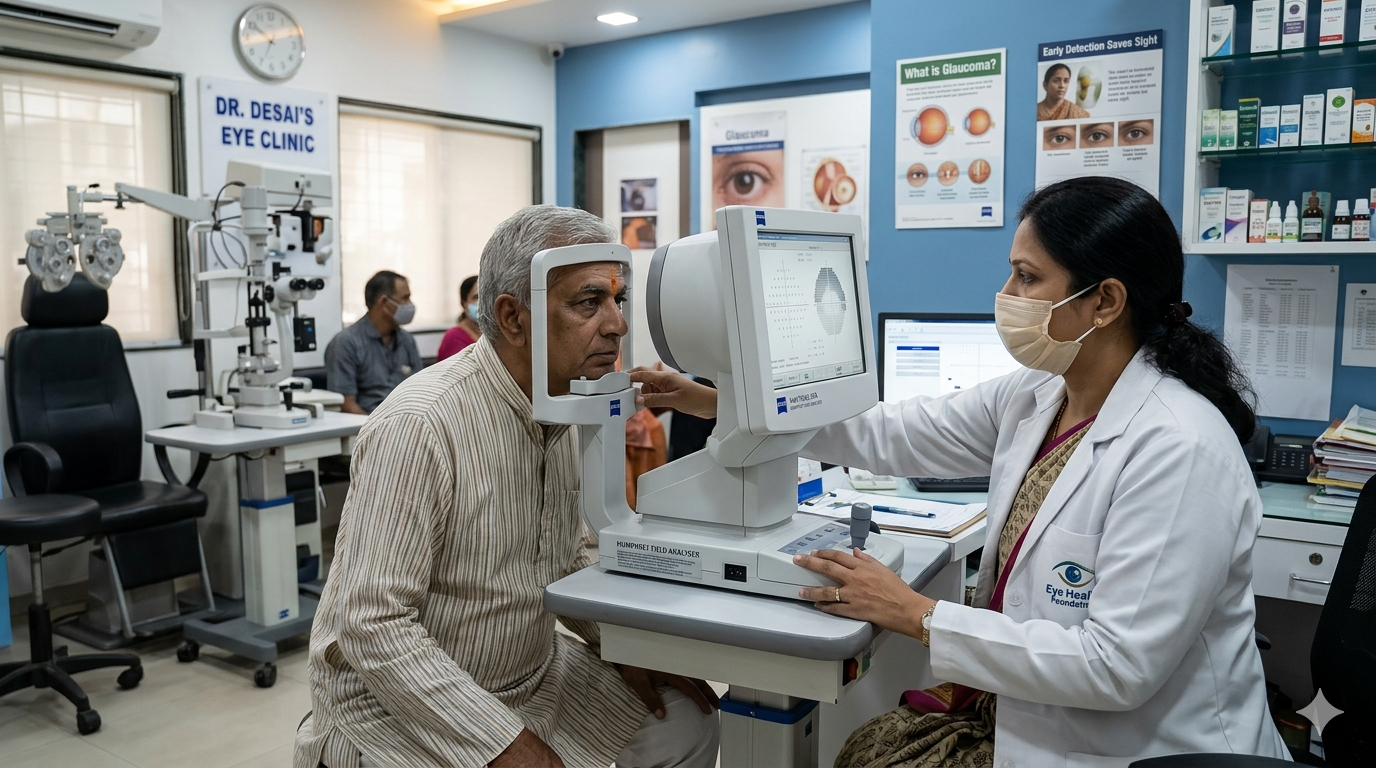
Glaucoma is one of the leading causes of irreversible blindness worldwide, affecting over 80 million people. Alarmingly, almost 90 per cent of glaucoma patients in India go undiagnosed. The World Health Organisation estimates that nearly 80 per cent of visual impairments are preventable or treatable with timely intervention. Many individuals don't notice symptoms until significant vision loss has occurred, making early detection and management crucial to protecting their eyesight.
Glaucoma is not a single disease. It is a group of eye disorders in which the optic nerves, which connect the eyes to the brain, are progressively damaged, usually due to raised intraocular pressure or impaired blood flow to the nerve. While age is a major risk factor, glaucoma can occur at any stage of life, including infancy, childhood, adolescence, and early adulthood.
5 Early Warning Signs of Glaucoma
1. Blurred Vision
Consistently blurry or hazy vision can be an early sign of glaucoma. This may happen due to increased intraocular pressure, which affects the optic nerve and distorts your ability to see clearly. If you notice persistent blurriness that doesn't improve with rest or new glasses, it's time to consult an eye specialist.
2. Halos Around Lights
Glaucoma can cause light to scatter, leading to the appearance of halos or glare around lights, especially at night. This symptom often makes driving in low-light conditions more challenging and may indicate changes in your eye pressure.
3. Headaches
Pressure buildup in the eyes can lead to recurrent headaches. These headaches may range from mild discomfort to more severe pain and tend to worsen over time. If your headaches are accompanied by vision changes or eye discomfort, they shouldn't be ignored.
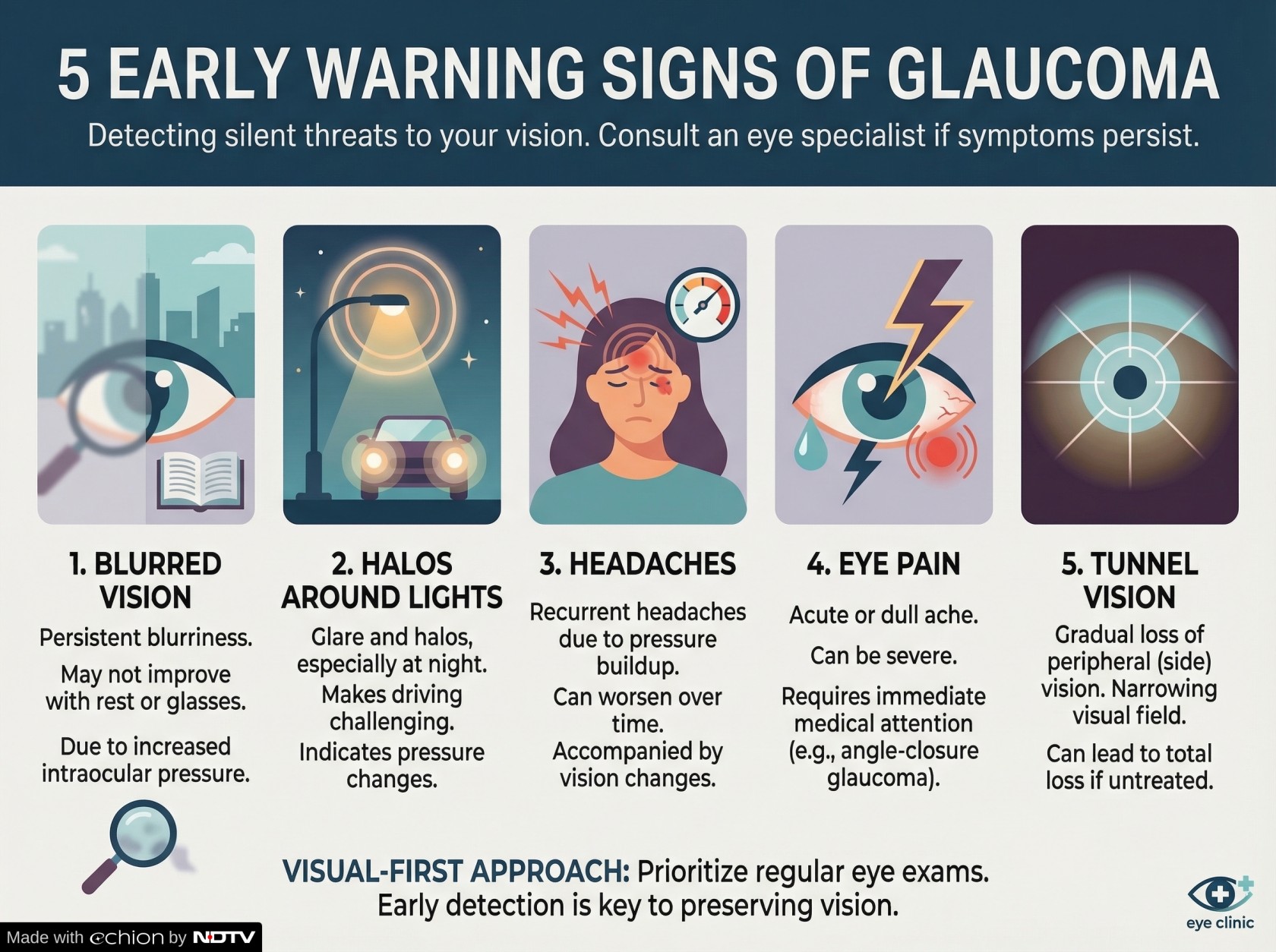
4. Eye Pain
Although not always present, some forms of glaucoma, like angle-closure glaucoma, can cause acute eye pain or discomfort. This may feel like a sharp, stabbing sensation or a dull ache in or around the eye. Severe eye pain is a serious symptom that requires immediate medical attention.
5. Tunnel Vision
As glaucoma progresses, it can lead to the loss of peripheral (side) vision, causing a gradual narrowing of your visual field. This is commonly referred to as tunnel vision. Left untreated, this can eventually lead to total vision loss.
Anyone over 40, those with diabetes, high myopia, or a family history of glaucoma should undergo comprehensive eye examinations, including eye pressure measurement and optic nerve evaluation. Early detection is the most effective way to preserve vision and prevent lifelong visual disability.
Preserving India's eyesight requires a multi-pronged approach. First, early detection and regular eye screenings must be made widely accessible, especially in rural areas, through community eye camps and mobile eye clinics. Second, public awareness campaigns are crucial for educating people about preventable causes of blindness, such as cataracts, glaucoma, and diabetic retinopathy. Third, affordable access to treatment, from low-cost cataract surgeries to prescription glasses, must be scaled up through public-private partnerships.
Disclaimer: The opinions expressed within this article are the personal opinions of the author. NDTV is not responsible for the accuracy, completeness, suitability, or validity of any information on this article. All information is provided on an as-is basis. The information, facts or opinions appearing in the article do not reflect the views of NDTV and NDTV does not assume any responsibility or liability for the same.