

)
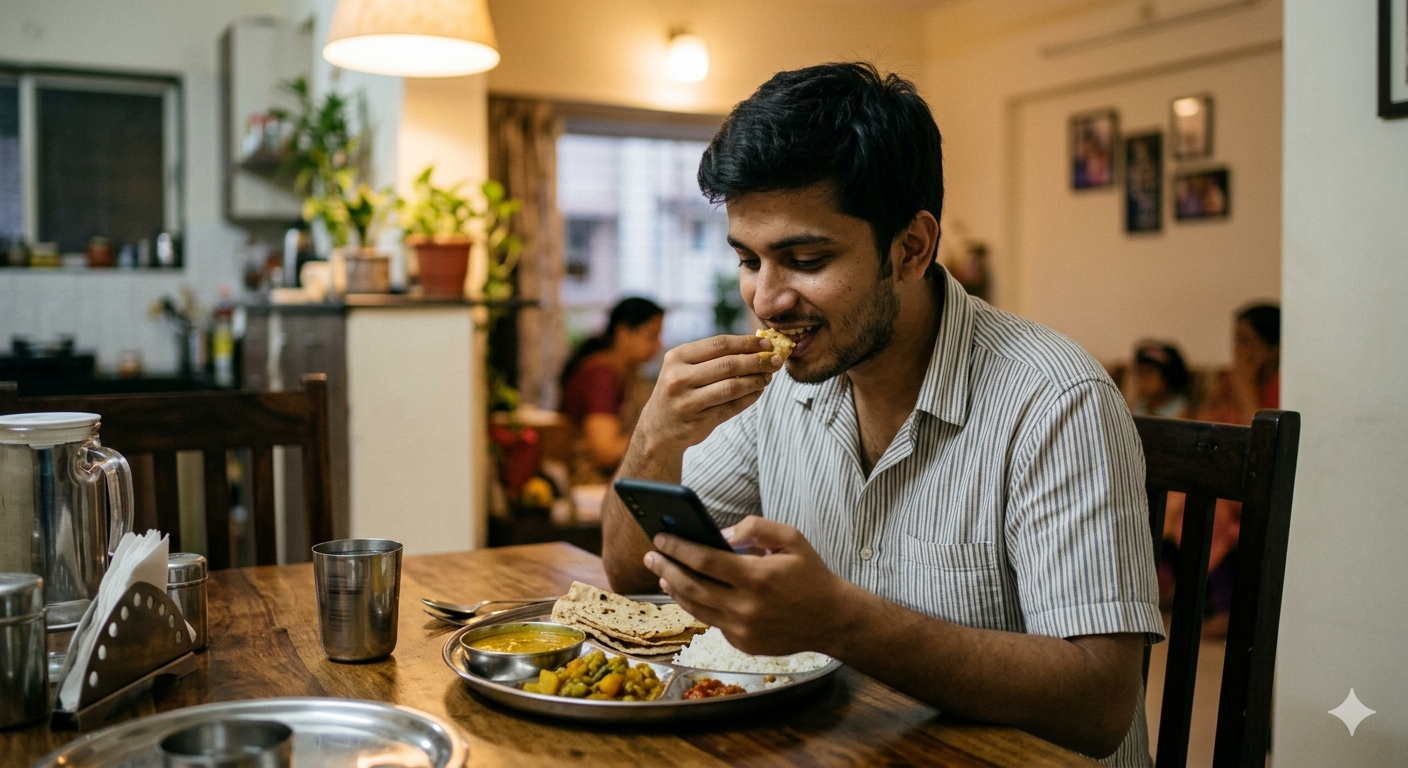
Smartphone addiction is commonly linked to eye discomfort and negative mood, but recent research suggests it may also increase the risk of eating disorders. This growing concern is particularly relevant given the widespread use of smartphones in daily lives. A study published in the Journal of Medical Internet Research explored how "Problematic Smartphone Use" (PSU) impacts young people's eating habits and body image. The findings indicate that excessive smartphone use can adversely affect how individuals perceive their bodies and their eating behaviors.
Researchers showed that young people who are hooked on their phones, meaning they feel anxious without them or can't stop using them, are much more likely to struggle with food and body image. Even if they haven't been diagnosed with an official eating disorder, these young people often show early warning signs, like eating to cope with emotions or feeling unhappy with how they look.
The researchers analysed 35 different studies involving over 52,000 participants (average age of 17) from across the world, proving this is a widespread trend rather than a local one. The researchers suggest that because teenagers are at a stage where they build their identity by looking at others, they are more likely to compare themselves to impossible standards.
Major findings:
1. Strong link to eating disorders
There is a consistent connection between excessive phone use and disordered eating behaviours. This includes:
- Emotional overeating: Eating in response to feeling stressed or sad.
- Uncontrolled eating: Feeling like you can't stop eating once you've started.
- Food addiction: Experiencing cravings or withdrawal symptoms related to food.
2. The "7-hour" threshold
The negative effects were significantly stronger for young people who used their smartphones for more than seven hours a day.
3. Body dissatisfaction
High phone usage was tied to higher levels of appearance dissatisfaction. Constant exposure to idealised body types online leads young people to view their own bodies more negatively.
4. Problematic use vs. just screen time
The study distinguishes between just using a phone and "Problematic Smartphone Use" (PSU). PSU is when a person becomes psychologically reliant on the device, characterised by:
- Withdrawal: Feeling angry, restless, or anxious when the phone is taken away.
- Lack of control: Being unable to reduce the time spent on the device.
- Distress: The phone use starts causing problems in daily life or mental well-being.
The researchers aren't saying that phones cause eating disorders, but they are a major risk factor. They also urge that when doctors or therapists treat someone for eating concerns, they should also look at the patient's relationship with their phone. The study suggests that focusing on digital health and reducing screen time could be just as important as traditional health advice when it comes to preventing eating disorders.
Other dangers of smartphone addiction:
- Poor mental health
Research has shown that excessive smartphone usage can lead to increased anxiety, depression, and feelings of loneliness. Social media can contribute to negative self-image and comparison with others.
- Low physical activity
Prolonged smartphone use can result in eye strain, sleep disturbances, and sedentary behaviour, leading to physical health problems such as obesity or postural issues.
- Decreased productivity
Overuse of smartphones can lead to distractions, reducing focus and productivity at work or school. This can negatively impact performance and goal achievement.
- Increased risk of accidents
Smartphone addiction can also pose serious safety risks. For instance, using a smartphone while driving greatly increases the likelihood of accidents.
To combat smartphone addiction, it's essential to set boundaries, engage in regular digital detoxes, and seek alternative activities that foster mindfulness and real-world connections.
Disclaimer: This content including advice provides generic information only. It is in no way a substitute for a qualified medical opinion. Always consult a specialist or your own doctor for more information. NDTV does not claim responsibility for this information.