

)
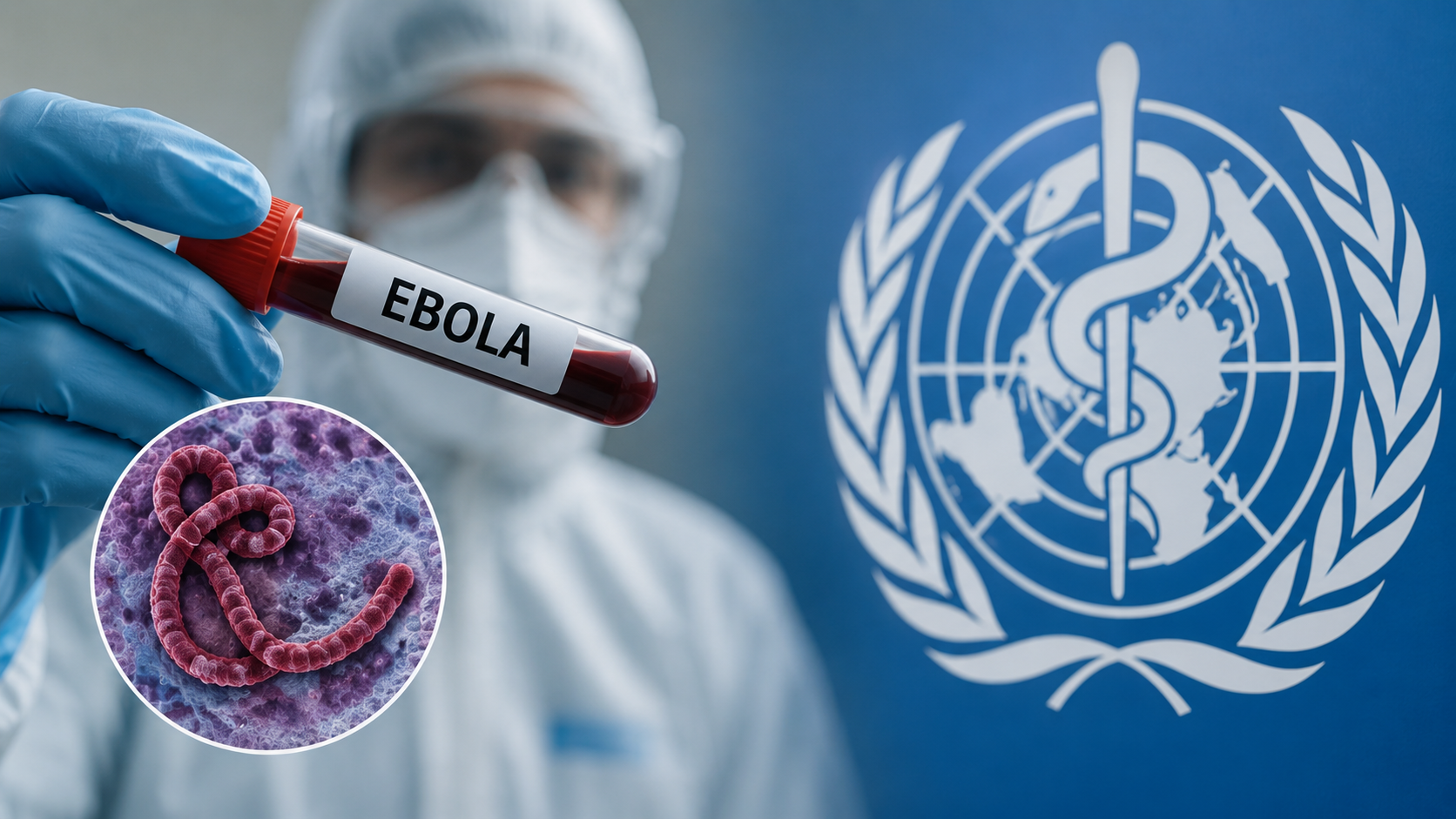
India has issued a travel advisory asking its citizens to avoid non-essential travel to three African countries after the World Health Organization (WHO) declared the ongoing Ebola outbreak a 'Public Health Emergency of International Concern' (PHEIC). The advisory comes as health authorities across the world increase monitoring and strengthen preparedness measures. The affected countries include the Democratic Republic of the Congo (DRC), Uganda and South Sudan, where concerns have grown due to the spread of the Bundibugyo strain of the Ebola virus.
The Indian government has taken precautionary measures to reduce possible health risks and protect travellers. India has also confirmed that no case linked to this Ebola strain has been reported in the country so far.
The WHO announcement has drawn international attention because Ebola is known to be a serious viral disease with a high death rate. The current outbreak has raised concerns due to the spread of the Bundibugyo strain, which doesn't have any approved vaccines or specific treatments available at present. Health agencies are focusing on surveillance, early detection and travel monitoring to stop further transmission.
Why WHO Declared The Outbreak An International Emergency
The WHO declared the Ebola outbreak a Public Health Emergency of International Concern on May 17, 2026, under the International Health Regulations framework. Such a declaration is made when an outbreak becomes a major public health risk that may require international cooperation and urgent action. The outbreak has affected the Democratic Republic of the Congo and Uganda, while neighbouring countries such as South Sudan are considered to be at high risk because of cross-border movement.
Reports suggest that the outbreak has already led to 867 suspected cases and 204 deaths. Health officials are worried because the disease is linked to the Bundibugyo variant, which is less common and doesn't have any approved medical treatments. However, with the outbreak of Bundibugyo strain, countries around the world remain alert and are working to improve disease surveillance systems.
India's Travel Advisory And Safety Measures
The Ministry of Health and Family Welfare advised Indian citizens to avoid non-essential travel to the Democratic Republic of the Congo, Uganda and South Sudan until further notice. Indians already living in or travelling through these regions have been asked to follow local public health guidelines carefully and maintain extra precautions.
India has clarified that no case of Ebola caused by the Bundibugyo strain has been detected in the country. However, authorities are not taking chances. Following WHO recommendations, surveillance at airports and entry points have become stricter to identify travellers showing symptoms such as fever or illness after visiting affected areas.
Understanding Ebola And Its Risks
Ebola is a severe viral disease that affects humans and often causes high fever, weakness, body pain, vomiting and, in some cases, internal or external bleeding. It spreads through direct contact with the bodily fluids of infected individuals.
The current outbreak involves the Bundibugyo strain of the Ebola virus. Health experts consider it dangerous because there are currently no approved vaccines or targeted treatments against this strain. This makes prevention, isolation and quick medical response extremely important.
Disclaimer: This content including advice provides generic information only. It is in no way a substitute for a qualified medical opinion. Always consult a specialist or your own doctor for more information. NDTV does not claim responsibility for this information.