

)
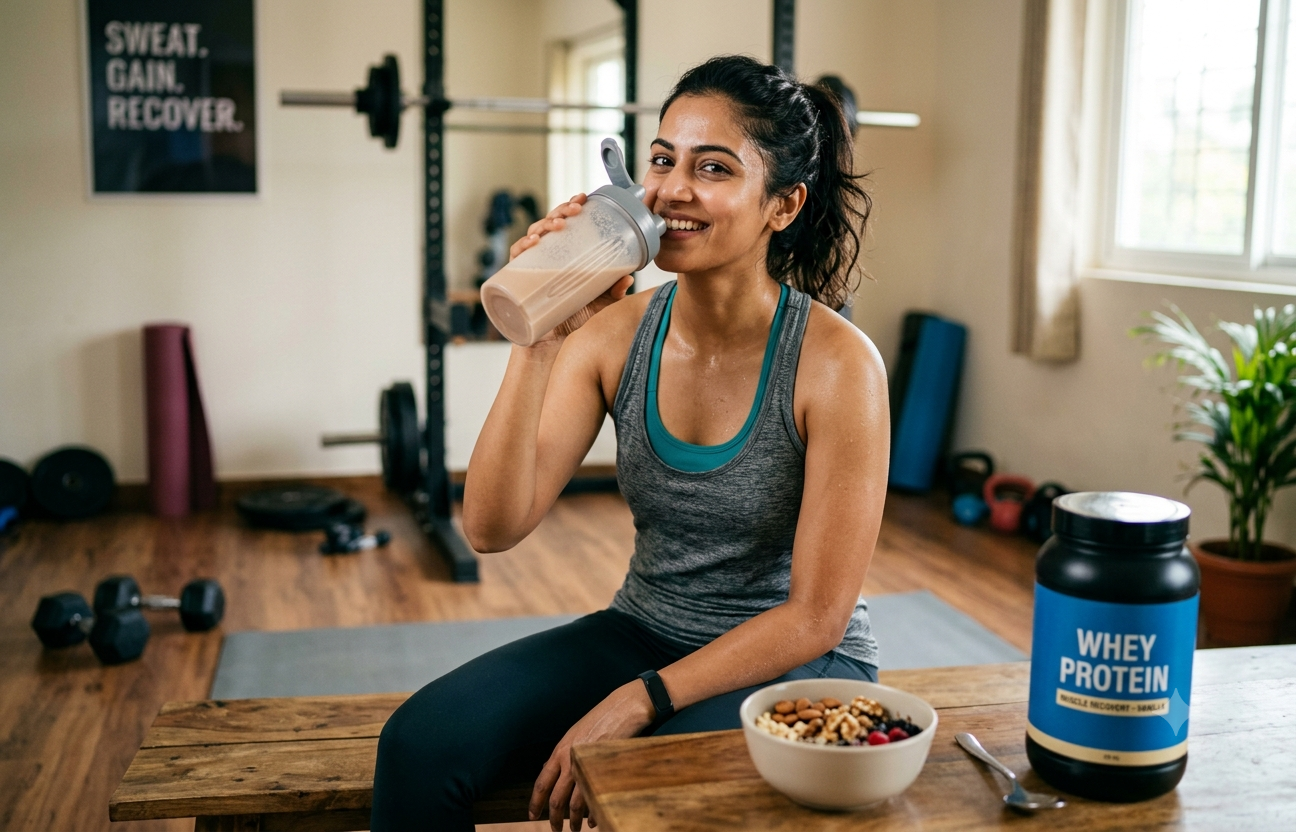
In recent years, protein shakes have become a staple in the health and fitness industry, often marketed as essential for anyone looking to boost their muscle mass or improve their overall health. However, what many people don't realise is that most individuals are consuming far more protein than they actually need. Highlighting the same, renowned cardiologist Dr. Alok Chopra says, "Do not have protein shakes. Protein is important, but please do not start taking protein shakes simply because someone at the gym told you to." This overconsumption can stem from dietary habits, lifestyle choices, and the widespread use of protein supplements.
In an Instagram video, Dr. Chopra highlights that a healthy, well-balanced diet can help meet protein requirements. "Most healthy people do not need protein shakes to meet their requirements."
Daily requirements:
"For a general, healthy, sedentary adult, the basic recommendation is about 0.8 grams of protein per kilogram bodyweight per day. If you are active, older, pregnant or have specific requirements, you would need more," Dr. Chopra adds.
People who exercise regularly need more protein to repair muscle tissue. Moderate exercisers should aim for 1.0 to 1.3 grams of protein per kilogram, while intense strength trainers or endurance athletes may need 1.6 to 2.0 grams of protein per kilogram.
How to meet daily protein needs
"If you are a non-vegetarian, eggs, chicken, fish, seafood and lean meat are some good sources. Vegetarians can have dal, paneer, tofu, tempeh, curd, Greek yoghurt, beans, chickpeas, lentils, nuts, seeds and millets," recommends Dr. Chopra.
Side effects of eating too much protein
Despite the convenience of protein shakes, relying on them can lead to an imbalanced diet. It's important to recognise that not everyone will benefit from a protein supplement, and many can meet their needs through food sources alone.
Dr. Chopra highlights the following points:
- Extra stress on kidneys
"Your kidneys have to work harder to filter waste. Higher protein intake will increase the filtration load unnecessarily."
- No extra muscle stimulation
"Roughly 20-50 grams of good quality protein in a meal is often enough to strongly stimulate muscle protein synthesis. Extra amino acids do not mean more muscles," he added.
- Potential risks
Overconsumption of protein can also lead to dehydration, kidney stones and gout.
- Digestive issues
Excessively consuming protein can lead to digestive issues such as constipation and bloating, especially when protein shakes are used to replace whole food meals.
- Imbalance
There's also the concern of nutrient imbalance, as focusing too much on protein can result in a lower intake of necessary carbs, fats, and vitamins.
Pro tips
- Check the ingredients, as most protein powders are loaded with additives, sweeteners, stabilisers, flavourings and other additives.
- "Why are you taking your protein from a packet when there is so much real food available?" Dr. Chopra highlights.
Is every protein shake bad?
"No, if you are doing serious strength training and your protein requirement is higher, and you genuinely cannot meet it through food, then yes, a good quality protein supplement can help. But don't let a supplement become a permanent part of your everyday diet. Keep reassessing whether you actually need it, whenever possible, get the protein from whole foods," Dr Chopra concluded.
In conclusion, while protein is essential for health and fitness, protein shakes aren't a daily necessity for everyone. By being mindful of protein sources and listening to your body, you can achieve optimal health without relying solely on supplements.
Disclaimer: This content including advice provides generic information only. It is in no way a substitute for a qualified medical opinion. Always consult a specialist or your own doctor for more information. NDTV does not claim responsibility for this information.