

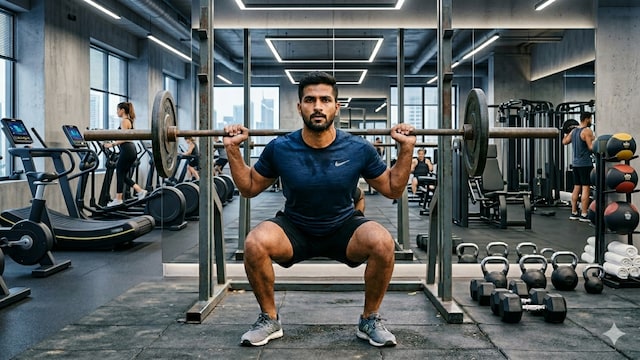
Leg day can leave even experienced gym-goers struggling to walk comfortably the next morning. After intense squats, lunges, deadlifts, or high-volume lower body training, many people experience muscle pain and stiffness known as delayed onset muscle soreness (DOMS). This soreness usually appears several hours after exercise and may peak within 24 to 72 hours. Fitness experts say mild soreness is a normal response as muscles adapt and recover from stress, especially after new or intense workouts. However, excessive soreness can interfere with movement, training consistency, sleep, and recovery. The good news is that certain recovery strategies may help reduce muscle stiffness, improve circulation, and support faster recovery after a hard leg session.
Why Leg Workouts Cause So Much Soreness
Large muscle groups in the legs undergo significant stress during strength training and high-intensity exercise. Movements such as:
- Squats
- Lunges
- Deadlifts
- Step-ups
- Sprinting
can create microscopic muscle damage, which triggers inflammation and repair processes linked to soreness.
Also read: Want Better Workout Results? It All Depends On What Your Brain Does After You Exercise
Don't Skip Your Cooldown
Stopping exercise abruptly after heavy training may worsen stiffness. Experts recommend:
- Light walking
- Gentle cycling
- Slow stretching
for a few minutes after workouts to help circulation and gradual recovery.
Stay Hydrated Throughout The Day
Intense workouts increase fluid and electrolyte loss through sweating. Proper hydration may help:
- Muscle function
- Circulation
- Recovery processes
Dehydration can sometimes worsen fatigue and muscle discomfort.
Prioritise Protein And Recovery Nutrition
Muscles need nutrients to repair after exercise.
Post-workout meals containing:
- Protein
- Complex carbohydrates
- Electrolytes
may support muscle recovery and energy replenishment. Experts say recovery nutrition is particularly important after high-volume strength training.
Gentle Movement Can Help More Than Complete Rest
Many people avoid movement completely when sore, but light activity may actually improve recovery. Gentle activities such as:
- Walking
- Yoga
- Mobility exercises
- Easy cycling
can help improve blood flow and reduce stiffness without overloading recovering muscles.
Sleep Is One Of The Most Important Recovery Tools
Most muscle repair processes occur during sleep. Poor sleep may:
- Slow recovery
- Increase fatigue
- Worsen muscle soreness perception
Experts recommend prioritising adequate rest after heavy training sessions.
Avoid Increasing Intensity Too Quickly
Sudden jumps in workout volume or weight often increase the risk of severe soreness. Progressive training is generally safer than abruptly:
- Increasing repetitions
- Lifting much heavier weights
- Performing unfamiliar exercises excessively
Gradual progression allows muscles to adapt more effectively.
Stretch Carefully, Not Aggressively
Gentle stretching may help maintain flexibility after workouts. However, experts warn against:
- Aggressive stretching on extremely sore muscles
- Painful forceful movements immediately after heavy training
This may sometimes worsen muscle irritation.
Also read: Are Late-Night Workouts Harming Your Sleep Cycle?
When Soreness May Signal Injury Instead
Normal post-workout soreness usually improves gradually within a few days. Doctors say medical attention may be needed if symptoms include:
- Severe swelling
- Sharp pain
- Dark urine
- Significant weakness
- Inability to bear weight
These may indicate more serious muscle injury rather than typical DOMS. Post-workout leg soreness is common after intense lower-body training, especially when workouts are new or highly demanding. Experts say hydration, recovery nutrition, sleep, gradual progression, and light movement may help reduce discomfort and support healthier muscle recovery.
Disclaimer: This content including advice provides generic information only. It is in no way a substitute for a qualified medical opinion. Always consult a specialist or your own doctor for more information. NDTV does not claim responsibility for this information.