

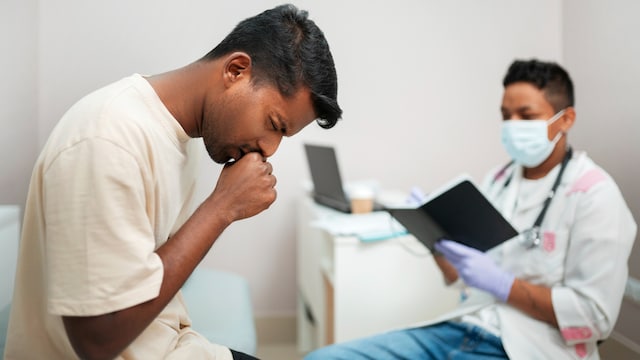
For many patients, completing the multi-month course of tuberculosis medication feels like crossing a hard-won finish line, yet a lingering cough or mild breathlessness can leave them wondering if full recovery is still ahead. In clinical practice, patients often lean back in their chairs, exhale slowly, and ask a variation of the same question: "Doctor, my tests are negative, and the infection is gone, so why do I still feel a tightness in my chest when I climb the stairs?"
It is a conversation that needs to be addressed more openly. For decades, the medical community focused rightfully - and intensely - on curing active tuberculosis (TB). Eradicating the bacteria with a rigorous regimen of antibiotics is the first and most critical victory. But for a significant number of people, beating the infection does not automatically mean the lungs instantly return to how they were before.
When a person recovers from pulmonary TB, the lungs have fought a major battle. Healing often leaves behind permanent reminders in the delicate architecture of the airways and air sacs. Understanding what happens during this post-treatment phase can help patients separate normal recovery from signs that need a closer medical look.
What Stays Behind In The Lungs?
Tuberculosis is an aggressive infection that causes localised inflammation and tissue destruction. As the immune system fights back and healing occurs, the body repairs damaged lung tissue by forming fibrous scar tissue.
This scarring, medically referred to as pulmonary fibrosis, alters the elasticity of the lungs. Healthy lung tissue is remarkably stretchy, expanding and contracting smoothly with every breath we take. Scarred tissue is stiff. When parts of the lung lose that flexibility, overall lung capacity decreases.
Beyond general scarring, some individuals develop a condition called bronchiectasis. This occurs when the larger airways - the bronchi - become permanently widened, thickened, and scarred from the inflammation of the initial infection. Because these airways lose their normal shape and clearance mechanisms, mucus can pool inside them, creating an ongoing environment for a chronic, productive cough and recurrent chest infections.
Navigating Symptoms After Treatment
It is entirely normal to feel fatigued and experience mild respiratory sensitivity for weeks or even months after finishing TB medications. However, certain symptoms warrant a structured medical evaluation rather than quiet endurance:
- Persistent Breathlessness: Feeling slightly winded during heavy exertion is common, but breathlessness that interferes with routine activities - like walking to the market or carrying groceries - needs assessment.
- A Chronic Cough: While an occasional clearing of the throat can linger, a daily cough that brings up phlegm or mucus months down the line may point to post-TB airway changes or bronchiectasis.
- Recurring Chest Infections: If individuals find themselves catching frequent bouts of bronchitis or chest congestion that require antibiotics, airways may need specialised care to manage inflammation.
If these signs sound familiar, a simple breathing test called spirometry can measure how much air the lungs can hold and how quickly air can be blown out, giving physicians a clear picture of current lung function.
Rebuilding Strength: Practical Steps for Recovery
Recovery does not end with a prescription; it is an active, ongoing process of lifestyle support. Even with structural changes in the lungs, there is a tremendous amount that can be done to protect remaining respiratory capacity and improve quality of life:
- Embrace Pulmonary Rehabilitation: Structured breathing exercises and supervised physical conditioning can teach individuals how to use the diaphragm more efficiently and improve stamina, even if lung capacity is somewhat reduced.
- Prioritise Nutrition: Chronic respiratory effort burns energy, and maintaining good muscle mass - particularly in the upper body and chest wall - makes breathing feel less taxing. A balanced diet rich in lean proteins and fresh produce supports overall resilience.
- Shield Your Airways: Lungs that have been through a major ordeal need protection from indoor air pollution, secondhand smoke, and biomass smoke from firewood or poorly ventilated cooking stoves. For those who smoke, quitting is the single most powerful step to prevent further airway damage.
- Stay Up to Date on Vaccines: Pneumococcal and annual influenza vaccinations are vital shields for anyone with a history of lung damage, helping prevent secondary infections that can trigger severe flare-ups.
Looking Forward With Hope
For anyone navigating life after tuberculosis, a lingering symptom does not mean treatment failed. It simply means the lungs require a gentler, more mindful approach to long-term health. With regular follow-ups, attentive self-care, and an honest dialogue with a physician, it is entirely possible to manage post-TB changes, protect breath, and return to an active, full life.
(By Dr Subhakar Kandi, HOD & Sr. Consultant Pulmonologist Kamineni Hospitals, LB Nagar)
Disclaimer: The opinions expressed within this article are the personal opinions of the author. NDTV is not responsible for the accuracy, completeness, suitability, or validity of any information on this article. All information is provided on an as-is basis. The information, facts or opinions appearing in the article do not reflect the views of NDTV and NDTV does not assume any responsibility or liability for the same.