

)
India's recent public health alerts, including the Nipah virus outbreak in West Bengal and the avian influenza (bird flu) outbreak in Bihar, have once again highlighted how quickly viral infections can emerge and spread. While health systems move into containment mode during such outbreaks, individual behaviour often becomes the deciding factor in whether transmission accelerates or slows. History shows that during viral outbreaks, fear and misinformation frequently spread faster than the virus itself. This fear-driven response leads many people to make well-intentioned but dangerous mistakes, from ignoring early symptoms and self-medicating to relying on social media "cures" instead of medical advice. Such behaviours not only increase individual risk but also endanger vulnerable populations and strain healthcare systems.
According to Dr. Dip Narayan Mukherjee, Consultant - Microbiology and Infectious Diseases at CK Birla Hospitals, CMRI, outbreaks test not just immunity but collective discipline. Understanding the most common errors people make, and how to avoid them, is essential to breaking chains of transmission, particularly during high-risk outbreaks like Nipah and bird flu, which carry significant fatality risks.
1. Ignoring Early Symptoms: A Critical Delay
One of the most common and dangerous mistakes during viral outbreaks is underestimating early symptoms. "During viral outbreaks, fear often spreads faster than the virus itself," says Dr. Mukherjee. "Mild fever, sore throat, body ache or fatigue are often ignored or brushed off as 'seasonal illness', delaying medical consultation and isolation."
In outbreaks such as Nipah virus, early symptoms can appear deceptively mild before rapidly progressing to severe neurological complications. According to the World Health Organization (WHO), early detection and isolation are crucial in limiting Nipah transmission and improving outcomes. Delays in testing not only increase the risk of severe illness but also facilitate silent community spread.
2. Inconsistent Use Of Preventive Measures
Another widespread issue is selective adherence to basic infection-control practices.
"People may wear masks in crowded places but remove them in social gatherings, offices or at home when visitors arrive," Dr. Mukherjee explains. "Viruses do not distinguish between formal and informal settings."
During outbreaks like bird flu, where zoonotic transmission and environmental exposure play roles, consistent hygiene practices are essential. The Centers for Disease Control and Prevention (CDC) and WHO both emphasise that hand hygiene, respiratory etiquette and mask use (when advised) must be practiced uniformly to be effective.
3. The Hidden Dangers Of Self-Medication
Self-medication surges during outbreaks, often driven by panic. "Many individuals start antibiotics, steroids or unproven home remedies without medical guidance," says Dr. Mukherjee. "Antibiotics have no role in treating viral infections."
The Indian Council of Medical Research (ICMR) has repeatedly warned that misuse of antibiotics contributes to antimicrobial resistance, while inappropriate steroid use can suppress immunity and worsen viral outcomes. In infections like influenza or Nipah, steroids without indication can increase complications rather than reduce them.
4. Misinformation And Social Media Myths
Outbreaks are fertile ground for misinformation. "People often follow unverified preventive measures, miracle cures or exaggerated claims," Dr. Mukherjee notes.
During the COVID-19 pandemic and subsequent outbreaks, health authorities observed how misinformation undermined evidence-based public health responses. The Ministry of Health and Family Welfare (MoHFW) advises relying only on official advisories and healthcare professionals rather than viral social media posts. False reassurance can be just as harmful as panic.
5. Neglecting Isolation And Workplace Responsibility
Another critical mistake is continuing normal activities while symptomatic. "Many individuals attend work or social events despite feeling unwell, driven by professional pressure or social obligations," says Dr. Mukherjee.
In high-risk infections like Nipah, even brief exposure can have serious consequences. The WHO stresses that staying home when symptomatic is a public health responsibility, not a personal inconvenience.
6. Improper Use Of Masks And Disinfectants
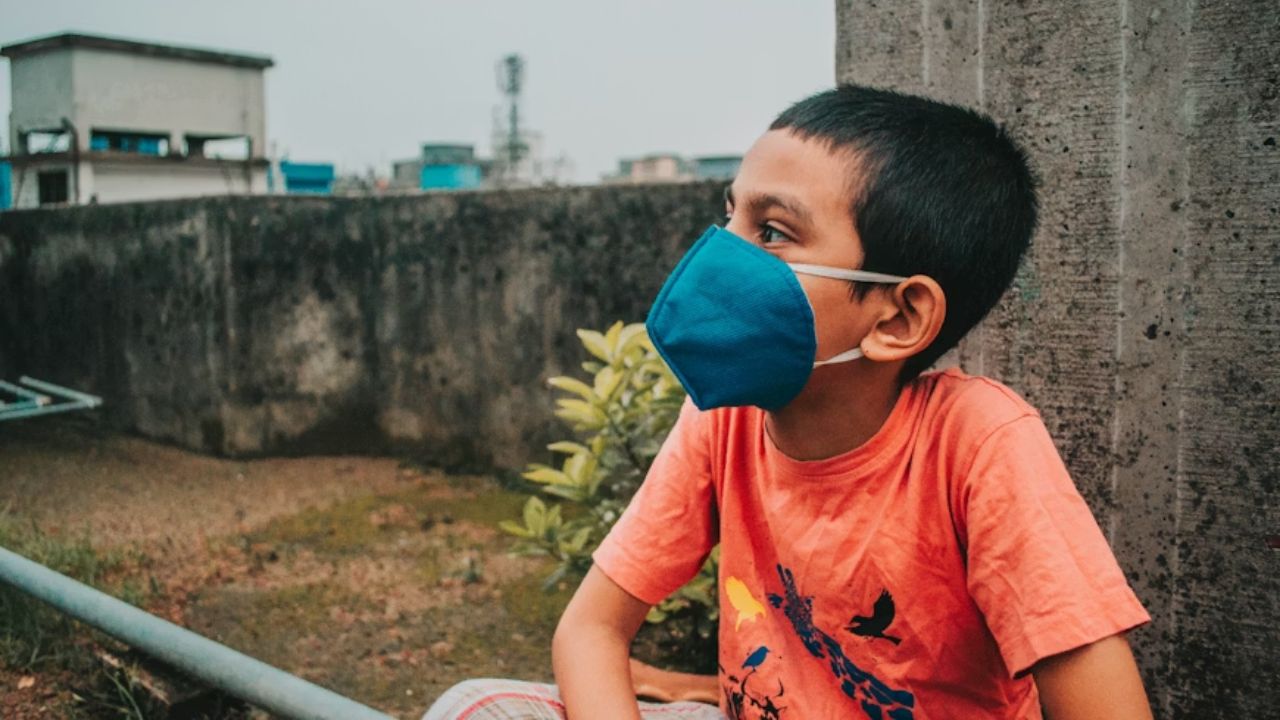
Incorrect use of protective measures reduces their effectiveness. "Reusing disposable masks, touching the front of the mask repeatedly, or wearing masks incorrectly reduces their effectiveness," Dr. Mukherjee explains.
Similarly, excessive disinfectant use without ventilation can cause respiratory irritation, especially during bird flu outbreaks where environmental exposure is a concern.
How To Avoid These Mistakes
To protect oneself and the community during outbreaks, Dr. Mukherjee emphasises focusing on simple, proven measures:
- Early symptom recognition and medical consultation
- Consistent hand hygiene and respiratory etiquette
- Avoiding self-medication
- Responsible mask use when advised
- Respecting isolation guidelines
- Protecting vulnerable populations
Maintaining adequate sleep, nutrition and stress control also supports immune function during outbreaks.
Viral outbreaks like the recent Nipah and bird flu cases remind us that behaviour can either fuel or fight infections. Calm, informed and consistent actions, guided by science rather than fear, remain the strongest defence. Outbreaks test not just immune systems, but collective responsibility, discipline and trust in evidence-based medicine.
Disclaimer: This content, including advice, provides generic information only. It is in no way a substitute for a qualified medical opinion. Always consult a specialist or your own doctor for more information. NDTV does not claim responsibility for this information.