

)
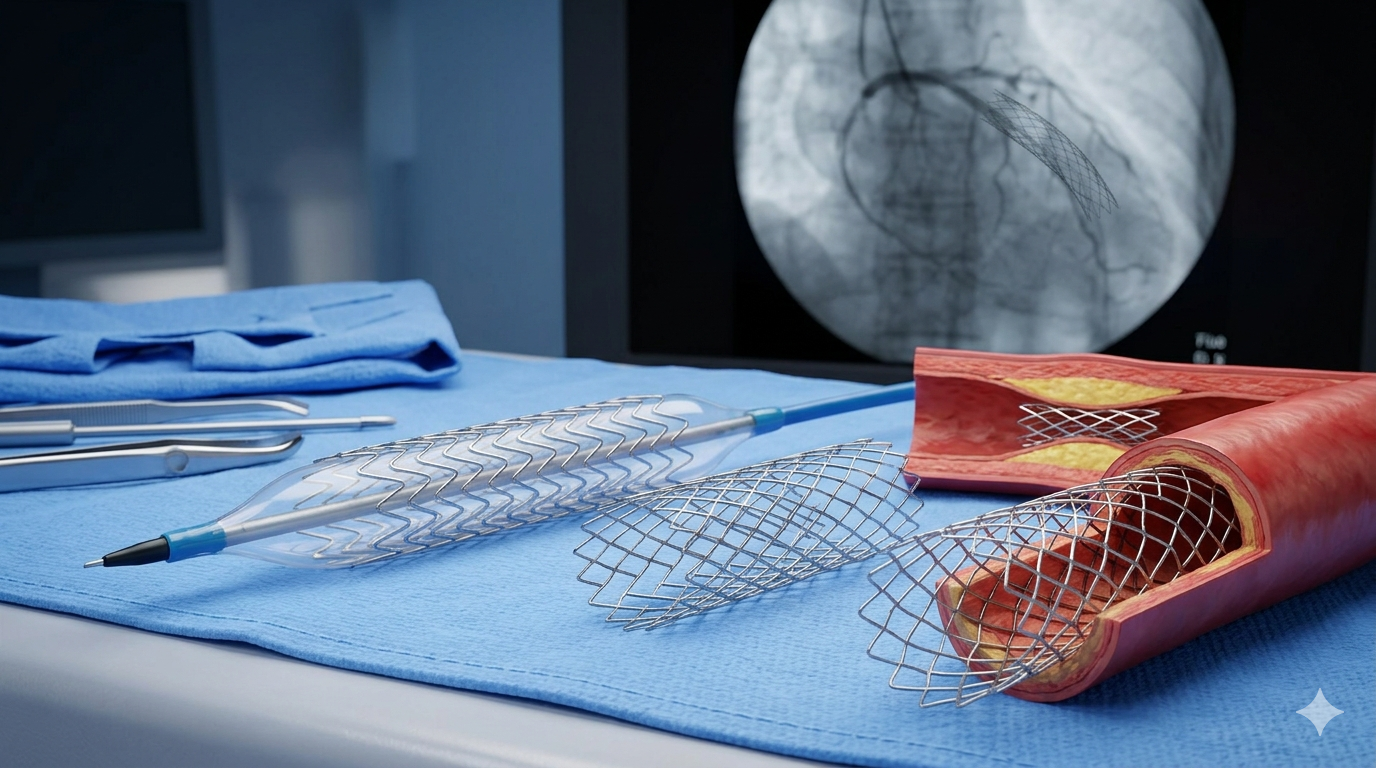
In a move that could directly impact the cost of heart treatment, the National Pharmaceutical Pricing Authority (NPPA) has announced revised ceiling prices for coronary stents, effective April 2026.Under the new pricing structure, drug-eluting stents (DES) will now cost up to Rs 39,186, while bare metal stents (BMS) are capped at Rs 10,762. These prices are exclusive of GST and applicable per stent. The revision in overall price aims to balance affordability for patients with sustainability for manufacturers, as the healthcare system continues to navigate rising costs and evolving technologies. Coronary stents are tiny mesh tubes used to keep blocked or narrowed arteries open in patients with heart disease.
What Exactly Has Changed?
Stents are commonly used in procedures such as angioplasty. The NPPA periodically reviews and adjusts the ceiling prices of these devices to ensure they remain accessible while accounting for market realities. With this latest revision:
- Drug-eluting stents (DES): capped at Rs 39,186
- Bare metal stents (BMS): capped at Rs 10,762
Drug-eluting stents are more advanced, as they release medication to prevent the artery from narrowing again, which is why they are typically more expensive than bare metal stents.
Also read: No Smoking, No Alcohol, No Obesity: Doctor Explains Heart Disease Causes In Healthy Individuals
Why the Price Revision Matters
For many patients, the cost of a stent can significantly affect access to life-saving treatment. Before price caps were introduced in 2017, stents in India were often sold at high and inconsistent prices, making treatment unaffordable for many families. The introduction of price controls dramatically reduced costs and improved accessibility. This latest revision continues that effort, ensuring that:
- Patients are protected from excessive pricing
- Hospitals maintain transparency in billing
- Essential cardiac care remains within reach
At the same time, the revised prices attempt to address concerns from manufacturers about rising input costs and the need to sustain innovation.
Balancing Affordability and Innovation
While price caps benefit patients, they have also been a point of debate within the medical device industry. Manufacturers have argued that strict price controls can:
- Limit investment in new technologies
- Reduce availability of advanced devices
- Impact profitability
The NPPA's updated pricing is seen as an attempt to strike a balance between affordability and encouraging innovation in cardiac care. Experts say this balance is crucial, as India continues to see a rising burden of heart disease, with more patients requiring advanced interventions.
Impact on Hospitals and Patients
For hospitals, the revised prices mean they must align their procurement and billing practices with the new caps. Patients, on the other hand, may see:
- More predictable treatment costs
- Reduced financial burden during cardiac procedures
- Greater transparency in hospital bills
However, the overall cost of treatment still includes other components such as hospital stay, doctor's fees, and additional procedures, which can vary widely.
Also read: What Should You Avoid After A Stent Implant? Cardiologist Shares Tips For A Healthy Heart
India's Growing Heart Disease Burden
The price revision comes at a time when cardiovascular disease remains one of the leading causes of death in India. Factors such as:
- Sedentary lifestyles
- Poor diet
- Stress
- Rising rates of diabetes and hypertension
have contributed to an increasing number of heart patients. As a result, procedures like angioplasty and stent implantation are becoming more common, making affordability an important issue.
What Patients Should Know
If you or a family member is undergoing a heart procedure, experts recommend:
- Asking for a detailed cost breakdown
- Confirming the type of stent being used
- Ensuring that prices comply with NPPA guidelines
Patients should also be aware that hospitals are required to clearly mention stent prices in billing, helping avoid hidden charges.
Challenges Ahead
While the revised pricing is a positive step, challenges remain. Which requires to ensure compliance across all hospitals and to prevent overcharging through indirect costs. At the same time it is important to maintain availability of high-quality devices.
Regulators will need to closely monitor the implementation to ensure that the intended benefits reach patients. The NPPA's revised ceiling prices for coronary stents Rs 39,186 for drug-eluting stents and Rs 10,762 for bare metal stents try to aim to make heart treatment more affordable and transparent for patients across India. At the same time, the move reflects an ongoing effort to balance patient access with industry sustainability.
As heart disease continues to rise, such policy decisions will play a key role in ensuring that life-saving treatments remain within reach for millions.
Disclaimer: This content, including advice, provides generic information only. It is in no way a substitute for a qualified medical opinion. Always consult a specialist or your own doctor for more information. NDTV does not claim responsibility for this information.