

)
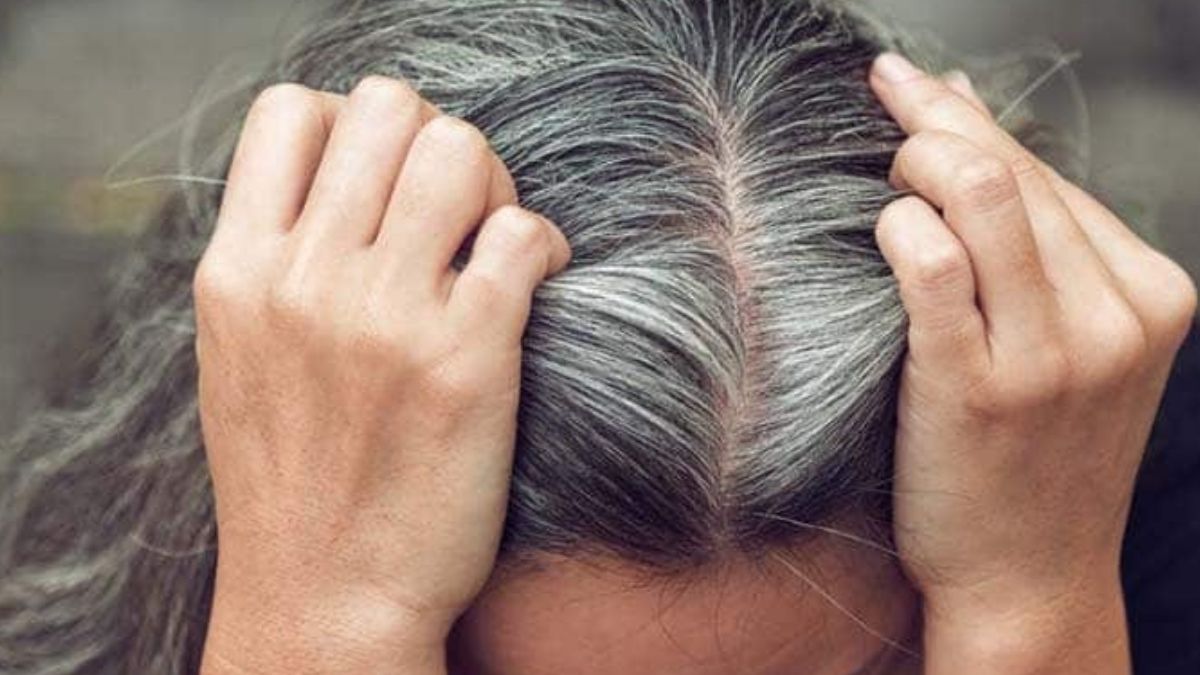
People are suffering from premature grey hair in their 20s and 30s due to a visible change in their hair's appearance. While this is out of the ordinary, as most people don't experience greying of hair after the age of 30, but that's too few strands. But people are experiencing premature greying of hair as genetic, nutritional, thyroid-related, or other biological causes are causing these changes. Hair is a sign of identity for many people, as the state it is in is visible to everyone; thus, there are claims on social media that eating or drinking certain ingredients could actually reverse your grey hair and turn it black. The Journal of Investigative Dermatology points to the presence of a family history of premature grey hair, hair loss, and sensitive scalp as the possible causes behind premature greying of hair.
Why Does Hair Turn Grey?
The hair strand turns grey when there is a lack of melanin in the hair colour pigment. The exact proportion of this pigment depends on the melanocyte cells that are reduced and increase based on the health of the scalp. But the human body does have a natural progression towards greying hair as it ages, and this pigment can decline as age increases. Genetic factors are mainly behind too much premature greying of hair, which can be managed using external hair colours if it is suitable for your unique hair genotype, based on the ingredients it has inside it.
What Causes Premature Grey Hair?
A review published in the International Journal of Dermatology suggests that biological, environmental, and medical issues can result in premature greying of hair. The rise in oxidative stress due to constant air pollution can take an active toll on your hair health. Moreover, smoking, nutritional deficiencies, and autoimmune disorders can make your hair grey, with limited treatment options available for reversal.
- Genetics, specifically melanocyte loss that is inherited, could be behind premature greying of hair.
- Vitamin deficiencies such as vitamin B12, vitamin D, folate, iron, and copper could be behind the greying of hair.
- Thyroid disorders such as hypothyroidism and hyperthyroidism could cause changes in hair colour.
- Oxidative stress could increase free radical damage, and natural cellular ageing could turn your hair grey.
- Smoking can result in premature greying of the hair.
Can Grey Hair Actually Turn Black Again?
No, grey hair can't actually be turned black, as the cause of the grey hair if nutrition needs to be addressed medically. Other instances wherein this is possible are:
- Vitamin deficiencies
- Certain medications
- Thyroid disorders
- Temporary physiological stress
The loss of melanocytes is harder to restore as the existing reservoir of melanocyte stem cells works on replenishing them.
But only a dermatologist could distinguish between temporary and permanent greying of hair, and you need a consultation if you are concerned about your greying hair.
Situations Where Grey Hair Reversal May Be Possible
Grey hair reversal is possible through correcting nutritional deficiencies, such as targeted and medically monitored B12 supplementation; iron restoration can restore greying hair and make it black again. The International Journal of Dermatology suggests that precision nutritional balance is necessary for grey hair removal. Dr Amulya Ramamurthy - Dermatologist, Apollo Hospitals, Jayanagar, Bengaluru explains, “ Premature greying (less than 25 years in Asians) may be reversed in selected cases only when nutritional deficiencies and acute stress are causative factors. The applications marketed to help repigment are ineffective and have no scientific backing.
Treating Underlying Medical Conditions
Research points to reversing grey hair only when the loss of melanocyte stem cells is not related to age. If biological causes such as thyroid treatment and autoimmune conditions are affecting the greying of your hair, then reversal is possible upon treatment.
Stress-Related Greying
Excessive amounts of unmanaged stress can lead to greying of stress and even cause partial repigmentation. The Journal of Dermatology mentions that stress-related greying of hair can be reversed if the baseline stress levels can be maintained by deploying management strategies.
Do Natural Remedies Turn Grey Hair Black?
There are popular claims around natural ingredients and their potent bioactive compounds being able to reverse greying hair, but the science reveals something else. Natural ingredients such as curry leaves, amla, bhringraj, black sesame seeds, and onion juice can support your hair health, but they can't address nutritional effects. Each of these ingredients can be used in a targeted manner to improve a particular aspect of your hair, but total health can't be promised by the use of a single ingredient. Their effect can only be measured upon consistent usage, and it varies based on the individual's hair strength and overall quality.
Habits That May Help Slow Down Greying
If you want to slow down natural age-related greying of hair, then you need to focus on:
- Balanced nutrition
- Managing stress
- Regular sleep
- Avoiding smoking
- Treating deficiencies promptly
- Protecting hair from excessive damage
Note: Using hair treatments, heat-induced hair styling tools, and hair appearance-enhancing procedures can damage your natural hair integrity and cause long-term damage to the hair follicle.
When Should You See A Dermatologist?
Premature greying of hair needs the attention of a dermatologist when these warning signs present themselves, as there is a need to safeguard your natural hair health:
- Sudden appearance of grey hair when you are using a comb.
- Premature greying before age 25 is a biological sign to seek medical help.
- Hair loss with greying is a major concern that has a biological cause.
- Symptoms of thyroid disease can result in premature greying of hair.
- Fatigue or nutritional deficiencies can also contribute to greying hair.
Premature greying of hair can be reversed in certain conditions, and only when the cause can be medically treated.
Also Read: Rosemary Oil vs Castor Oil: Which Is Better At Reducing Hair Loss?
Disclaimer: This content including advice provides generic information only. It is in no way a substitute for a qualified medical opinion. Always consult a specialist or your own doctor for more information. NDTV does not claim responsibility for this information.