

)
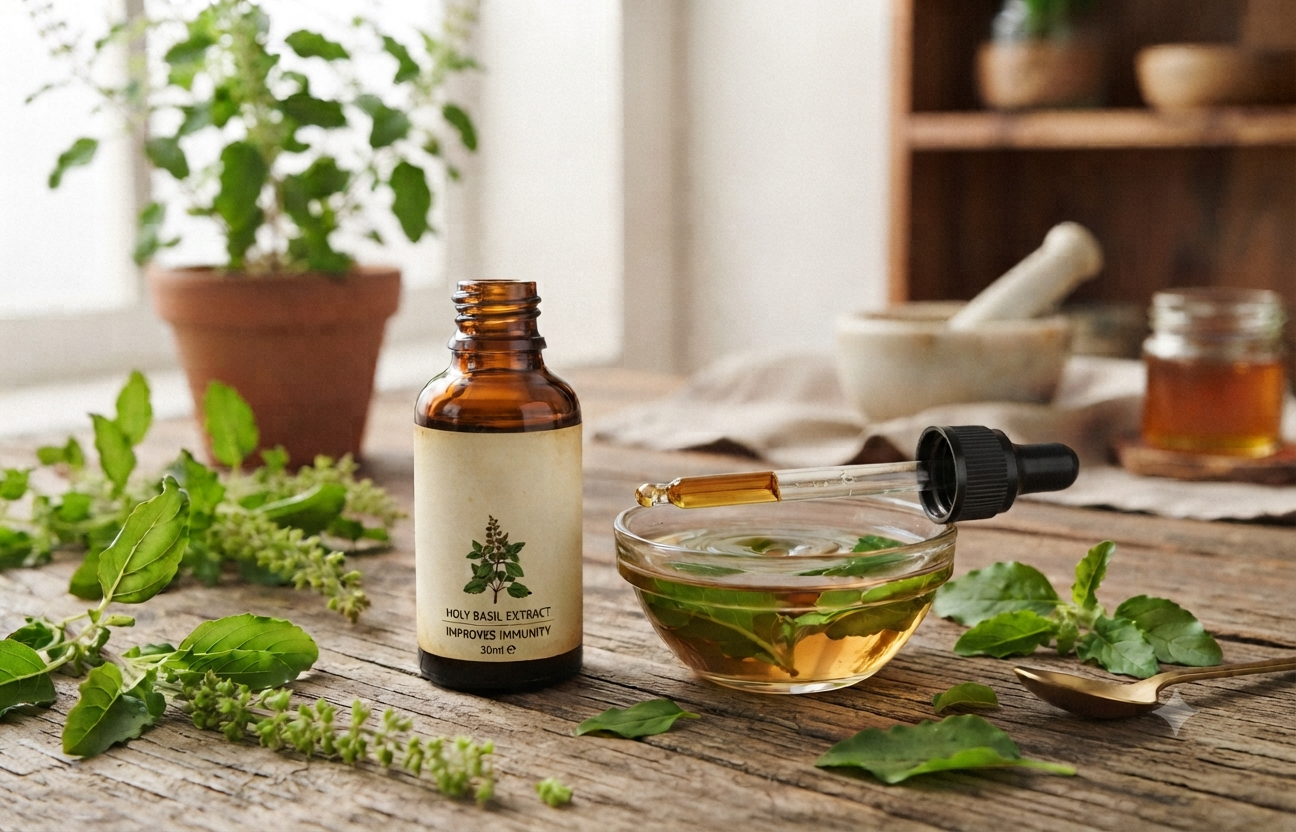
Seasonal allergies affect millions of people during the monsoon, as the sudden shift in temperature, combined with rising humidity, acts as a primary trigger. These allergies often bring a wave of uncomfortable symptoms, including frequent sneezing, a runny nose, itchy eyes, nasal congestion, and throat irritation. To help safeguard the immune system and find comfort during changing seasons, many turn to traditional remedies like tulsi drops. These concentrated extracts of the holy basil plant (Ocimum sanctum) have long been revered in traditional medicine for their respiratory health benefits.
While preliminary research including studies published in the Journal of Plant Science and Research suggests that tulsi compounds can soothe inflammation in the respiratory tract, but their efficacy varies from person to person. For individuals who haven't used concentrated herbal extracts before, the respiratory system can occasionally react negatively to the active natural ingredients. Understanding what Tulsi can and cannot do and it is essential before relying on it for seasonal relief.
What Causes Seasonal Allergies?
Monsoon-related seasonal allergies are commonly triggered by environmental irritants such as airborne pollen, mould spores, dust mites, heightened air pollution, and damp indoor environments. When these allergens enter the respiratory tract, the body releases histamine, leading to familiar symptoms such as:
- Frequent sneezing
- Runny nose and post-nasal drip
- Nasal congestion
- Itchy or watery eyes
- Throat irritation
What Are Tulsi Drops?
Tulsi drops are concentrated liquid extracts derived from the leaves of the holy basil plant. These formulations are popular in holistic wellness for their respiratory and immune-supporting properties. The potential benefits of Tulsi drops stem from key bioactive plant compounds:
- Eugenol: Known for its natural analgesic and anti-inflammatory action.
- Rosmarinic Acid: A potent antioxidant that helps modulate allergic responses.
- Flavonoids and Antioxidants: Protect cellular health against oxidative stress.
While these compounds make tulsi a popular home remedy for seasonal changes, clinical evidence supporting its direct efficacy for allergic rhinitis in humans remains limited.
Can Tulsi Help With Seasonal Allergies? What Research Suggests
Laboratory studies indicate that compounds found in tusli drops may help downregulate inflammatory pathways. A clinical review published in the Journal of Ayurveda and Integrative Medicine highlights that holy basil exhibits immunomodulatory and anti-inflammatory activity, which may help mitigate tissue swelling in sensitive respiratory linings. To add further insight, Dr Marc Cohen, MD, PhD (Journal of Ayurveda and Integrative Medicine) explains, "Tulsi is an ideal adaptogen and immunomodulator. In seasonal respiratory conditions, it helps clear excess Kapha (mucus), stabilises mast cells to mitigate histamine release, and balances the immune system's response rather than merely suppressing symptoms."
May Support Respiratory Health
Tulsi has a long history of traditional use in treating coughs, clearing phlegm, and easing throat irritation. Research featured in the Indian Journal of Clinical Biochemistry observed that herbal formulations containing holy basil contributed to relief in bronchial asthma symptoms and improved lung capacity, pointing toward its supportive role in overall respiratory wellness.
Antioxidant Properties
Environmental allergens generate free radicals that induce oxidative stress in the airway mucosa. Tulsi's rich flavonoid profile acts as a scavenger, helping neutralise this stress and maintaining cellular integrity during allergy flares.
The Reality Check
Despite these promising pharmacological properties, direct human studies on concentrated tulsi drops specifically for seasonal allergies are limited. Most available evidence remains preliminary or based on traditional use models.
What Tulsi Can And Cannot Do
Understanding the boundaries of natural remedies ensures safe and effective care.
What Tulsi May Help With
- Soothing mild throat irritation
- Providing general respiratory comfort
- Supporting overall immune health
- Offering seasonal wellness support
What Tulsi Cannot Do
- Cure seasonal allergies completely
- Replace prescription antihistamines
- Treat severe, acute allergic reactions
- Prevent life-threatening anaphylaxis
Who Might Consider Tulsi Drops?
Tulsi drops may be a helpful addition for the following:
- Adults experiencing mild, seasonal respiratory discomfort.
- Individuals interested in integrating Ayurvedic wellness practices into their routines.
- People seeking supportive lifestyle measures alongside standard medical care.
Note: Individuals should always consult a healthcare professional before starting any herbal supplement, particularly if they are currently taking prescribed medications or have pre-existing health conditions.
7 Additional Ways To Manage Seasonal Allergies
Beyond natural supplements, adopting practical lifestyle habits can significantly lower allergen exposure:
- Keep windows closed by blocking out high-pollen and high-mould spore counts during peak monsoon periods.
- Shower after outdoor exposure by washing away invisible pollen, dust, and mould spores from skin and hair.
- Use saline nasal rinses by flushing out trapped allergens and excess mucus from the nasal passages gently.
- Maintain indoor cleanliness by regularly clean air filters, carpets, and bed linens to curb dust mites.
- Control indoor humidity by keeping indoor humidity levels below 50% to prevent mould growth.
- Wear a mask outdoors by protecting airways when commuting or spending time in high-pollution zones.
- Follow prescribed treatments such as antihistamines or nasal sprays as directed by a physician.
Possible Side Effects And Precautions
'Natural' does not automatically mean completely risk-free. When using herbal preparations like tulsi drops, keep the following precautions in mind:
- Allergic Reactions: Concentrated botanical extracts can occasionally trigger contact allergies, skin rashes, or throat spasms in sensitive individuals.
- Medication Interactions: Tulsi may interact with blood thinners (anticoagulants) and diabetes medications by influencing blood clotting and glucose levels.
- Quality and Purity: Commercial herbal drops vary widely in concentration and quality; consumers should select tested brands.
- Special Populations: Pregnant or breastfeeding women, as well as individuals with chronic liver or kidney conditions, should seek explicit medical clearance before use.
When To See A Doctor
While mild seasonal sniffles can often be managed at home, individuals should seek prompt medical evaluation when experiencing:
- Persistent symptoms that do not improve with basic care.
- Difficulty breathing, shortness of breath, or chest tightness.
- Audible wheezing or persistent nighttime coughing.
- Severe nasal congestion leading to sinus pain or severe headaches.
- Symptoms that significantly disrupt sleep or daily quality of life.
Tulsi is a herb with well-documented antioxidant and anti-inflammatory properties. While Tulsi drops may offer mild, supportive comfort for some individuals during seasonal transitions, current scientific evidence is insufficient to recommend them as a standalone primary treatment for seasonal allergies. Standard, evidence-based medical treatments remain the most reliable option for managing moderate to severe allergic rhinitis. Tulsi works best as a supportive element within a broader, multi-faceted allergy wellness strategy.
Disclaimer: This content including advice provides generic information only. It is in no way a substitute for a qualified medical opinion. Always consult a specialist or your own doctor for more information. NDTV does not claim responsibility for this information.