

)
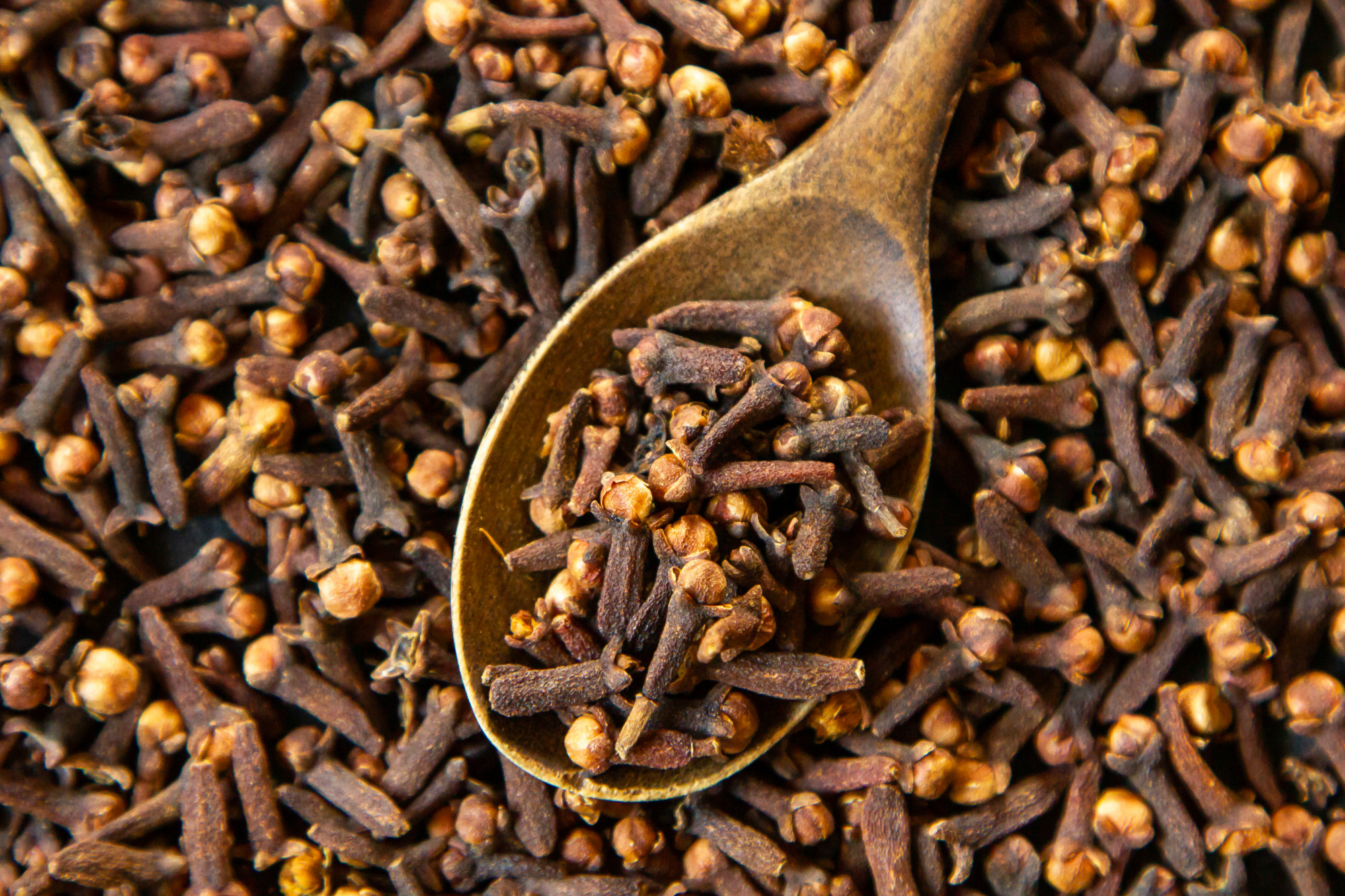
According to the Journal of the International Society of Preventive Dentistry, nearly 95% of the adult population suffers from some form of oral issue. A statistic that underscores why daily dental care isn't optional, but a neccessity. Yet, the very solutions most people turn to may be part of the problem as there are synthetic mouthwashes, while convenient, that pose significant health risks with prolonged use. These go-to mouthwashes often disrupt the delicate balance of beneficial bacteria essential for a healthy oral microbiome, so that is why preventive remedies can be used. This is where clove, or laung, an age-old remedy could prove fruitful for maintaining oral health. It is driven by a 2026 Indian Council of Medical Research-backed initiative toward 'preventive phytochemistry'; this pungent spice is being recognized not just in Ayurvedic texts, but in modern scientific journals as a powerful ally for oral health.
The science is compelling: cloves contain properties that deliver measurable benefits to oral health. To understand how this humble spice can transform your dental care routine, it's essential to examine the precise mechanisms at work and why timing, particularly after lunch, matters.
Can Eating Clove Or Laung After Lunch Make Your Oral Health Better?
Yes, but only to a certain extent, as serious oral health issues require medical expertise for effective relief. But using cloves as a preventive natural remedy can work when it is used in the right manner, at the right time, and for its intended purpose. Whole cloves and even clove oil, extracted from cloves that are safe for application on the teeth, can help boost your oral health. Here is why using cloves can help improve your oral health and why you need to do so:
- India is grappling with a 10% rise in lifestyle-related gum diseases, which makes maintaining oral health vital. The shift for preventive remedies is fuelled by a groundbreaking February 2026 report from the Global Dental Health Initiative, which identifies India as a key region in the 'Resistant Biofilm Crisis'.
- As urban Indians build up a tolerance to the harsh alcohol-based chemicals found in commercial oral care, the clove's unique molecular structure offers a rare, resistance-free solution.
- Scientists have found that the volatile oils within the clove don't just mask food odours; they dismantle the actual architecture of dental plaque.
This discovery has turned 'chewing a clove after lunch' into one of the most talked-about natural remedies and has bridged the gap between preventive remedies and India's modern medical needs. But it does have limitations; the key lies in knowing how to use it effectively and when to seek medical guidance for oral health issues.
Also Read: 7 Health Benefits Of Eating Laung Or Cloves
Key Health Benefits Of Using Cloves For Oral Health
1. Stopping Post-Meal Acid Spikes
When approximately two to three cloves are consumed immediately after consuming a meal, especially a diet rich in carbohydrates and starches, the pH level in the oral cavity drops significantly. This acidic environment is where tooth enamel begins to demineralise, and leads to oral health issues.That is why chewing a clove at this precise moment can trigger a dual-action defence. Here is how it helps:
- First, the pungent compounds stimulate the salivary glands to produce a 10% increase in alkaline saliva, which acts as a natural buffer to neutralise these harmful acids.
- Second, a study published in the Indian Journal of Dental Research in early 2026 confirms that clove's volatile oils penetrate the plaque biofilm more effectively than aqueous rinses.
- This ensures that the lactic acid produced by bacteria is neutralised before it can etch into the enamel, effectively halting the 'acid attack' window that usually lasts for thirty minutes post-consumption.
2. Reducing Bad Breath
Halitosis, or bad breath, is often more than a social inconvenience; it is a clinical sign of anaerobic bacteria decomposing food particles in the deep crevices of the tongue and gums. While modern mints simply mask the odour with sugar-laden scents, the eugenol in cloves acts as a potent bactericidal agent. Here is what a study says about the effectiveness of cloves:
- According to a 2026 meta-analysis in The Lancet: Oral Health, the essential oils in cloves possess a broad-spectrum effectiveness against porphyromonas gingivalis, the primary culprit behind foul-smelling sulphur compounds.
- By chewing a clove, you are performing a mechanical and chemical "scrub" of the oral microbiome.
- The study noted that consistent clove use reduced volatile sulphur compounds by 18% compared to a control group, providing a cleaner, more sustainable breath profile that lasts significantly longer than synthetic alternatives.
3. Reducing Chronic Gum Inflammation
Chronic inflammation of the gingival tissues is a silent precursor to systemic health issues, including heart disease and diabetes. The 2026 findings from the National Institute of Nutrition (NIN) emphasise that the flavonoids and tannins found in cloves act as powerful anti-inflammatory agents that soothe the gum line. Here is exactly how:
- When the clove oils are released during chewing, they provide a mild anaesthetic effect that calms irritated nerves, making it an excellent hack for those with dentin hypersensitivity.
- The NIN study specifically found that the anti-proliferative properties of clove helped reduce the pocket depth in patients with early-stage periodontitis.
- This means that regular clove chewing doesn't just treat the surface; it helps tighten the attachment between the tooth and the gum, preventing the recession that often leads to tooth loss in later life.
Also Read: Can Bad Oral Health Cause Diabetes And Kidney Disease? Science Says Yes, Here's How
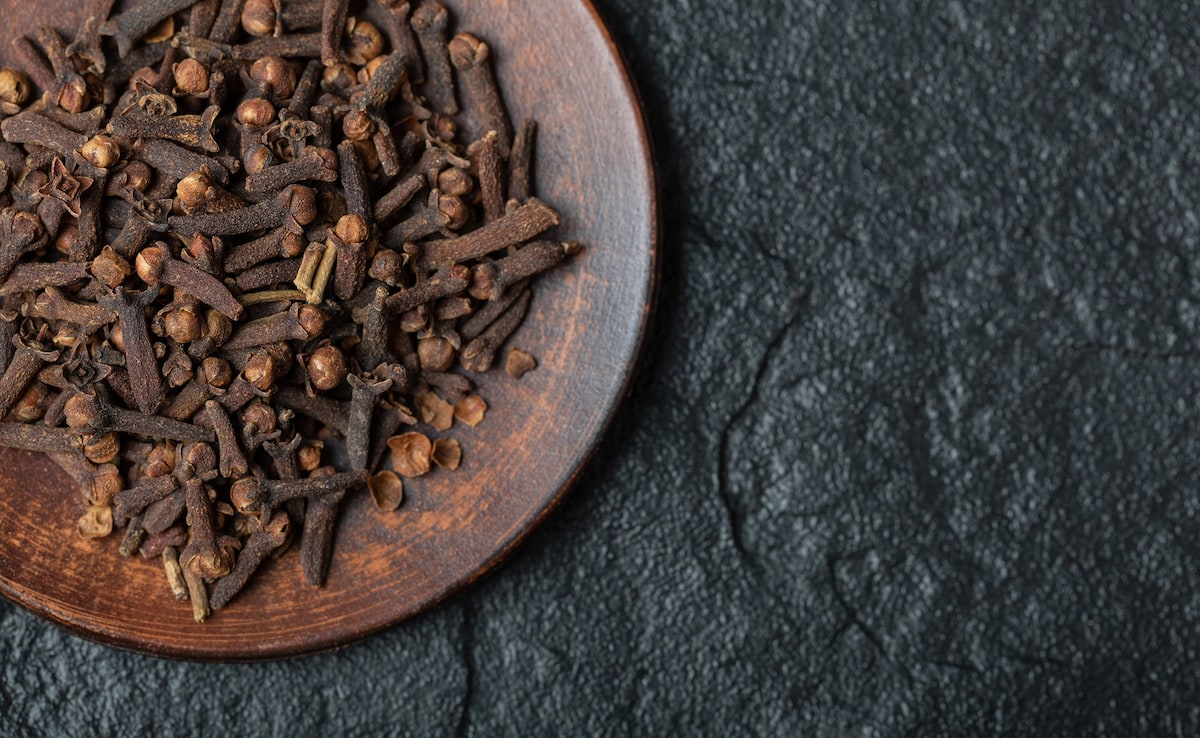
Cloves
Photo Credit: Freepik
Side Effects Of Eating Cloves Or Laung
With every natural remedy, there are various health risks involved. And overdoing it can lead to serious side effects; you need to be careful of the following:
- Increased Bleeding Risk: Cloves contain eugenol, which acts as a natural blood thinner. If you are on anticoagulant medications or have a scheduled surgery, excessive intake can increase the risk of bruising and bleeding.
- Liver Toxicity: In concentrated or high doses, eugenol can become hepatotoxic. Chronic overconsumption can lead to liver damage, manifested by symptoms like jaundice (yellowing of eyes/skin) or elevated liver enzymes.
- Hypoglycemia (Low Blood Sugar): Cloves are effective at lowering blood sugar. However, if you are already on diabetes medication, eating too many can cause your levels to drop dangerously low, leading to dizziness or trembling.
- Gastrointestinal Distress: The 'hot' nature of cloves can irritate the stomach lining if taken on an empty stomach or in large quantities, causing heartburn, nausea, vomiting, or diarrhoea.
- Oral and Gum Damage: While often used for toothaches, direct and frequent application of whole cloves or undiluted oil can cause chemical burns to the sensitive mucous membranes in the mouth and damage gum tissue.
- Allergic Reactions: Some individuals may experience 'contact dermatitis' or localised swelling, itching, and rashes due to eugenol sensitivity.
- Neurological Concerns in Children: Paediatric studies warn that even small amounts of concentrated clove oil can be toxic for children, potentially leading to seizures or fluid imbalances.
In an era where synthetic solutions are increasingly falling short against rising bacterial resistance, the return to phytomedicine isn't just a trend; it's a clinical necessity. For the millions of Indians currently navigating the early stages of gum disease, the clove offers a rare, science-backed shortcut to better oral health. By integrating this 60-second post-lunch ritual, you aren't just freshening your breath; you are fundamentally re-engineering your oral microbiome to be more resilient against the lifestyle-driven decay. But be aware of the risks and exercise caution; seek medical guidance if you have pre-existing medical conditions.
Disclaimer: This content, including advice, provides generic information only. It is in no way a substitute for a qualified medical opinion. Always consult a specialist or your own doctor for more information. NDTV does not claim responsibility for this information.