

)
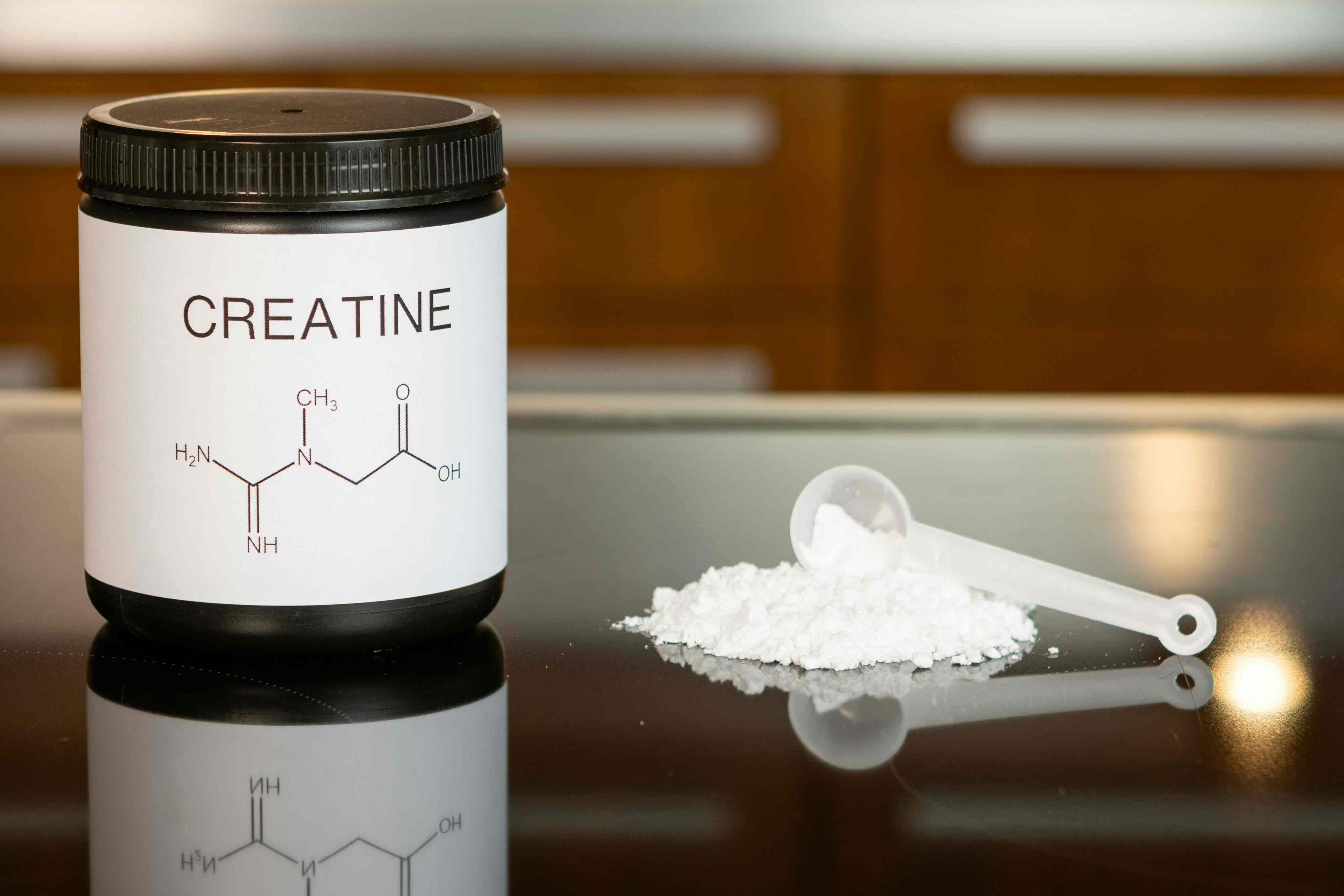
Creatine helped middle-aged adults gain muscle and strength even without a structured workout program in a new 12-week study. When combined with exercise and a calorie-reduced diet, it produced even greater strength gains while helping participants add lean tissue and lose fat. Researchers say the results strengthen the case for creatine as a potentially useful tool for maintaining muscle with age. Creatine is widely known for helping support muscle growth and athletic performance, but researchers are increasingly examining whether its benefits extend well beyond the gym. New findings from Texas A&M University suggest creatine may be particularly useful in middle age, when preserving muscle becomes increasingly important. In a 12-week study published in the Journal of the International Society of Sports Nutrition, adults ages 45 to 65 who took creatine increased their lean tissue and strength even if they did not follow a structured exercise program. Participants who combined creatine with regular exercise experienced even larger improvements. The results add to growing research exploring creatine as more than a supplement for athletes. Scientists are also studying whether it can help support muscle health and healthy aging. The study was led by Dr. Richard Kreider, professor and director of the Exercise and Sport Nutrition Lab at Texas. Kreider has studied creatine for more than three decades. Creatine occurs naturally in the body and helps restore cellular energy, and decades of research have examined its effects on exercise performance, muscle growth, and strength. Kreider's earlier work has also suggested that creatine may offer health benefits throughout life.
Creatine Benefits Without Structured Exercise
The new study involved 64 healthy adults who completed the full 12-week intervention. Participants decided whether to join a structured exercise and diet-induced weight-loss program or remain in a non-exercise group. Within those groups, they were randomly assigned to consume either 10 grams of creatine monohydrate or a placebo each day.
Among participants who did not join the exercise program, those taking creatine gained roughly 2.4 pounds of lean tissue over the 12 weeks. They also increased their leg press and bench press strength. Participants in the exercise program performed both resistance and aerobic training three times per week. Those who added creatine experienced greater gains in leg press strength, bench press strength, and time to exhaustion. Creatine did not appear to improve aerobic capacity beyond the benefits of exercise alone. That result fits with previous evidence showing that creatine primarily supports muscular strength and power rather than aerobic fitness.
Building Muscle While Losing Fat
Researchers also examined another important issue: how to reduce body fat without losing muscle in the process. Participants in the exercise group followed a diet that created a modest calorie deficit. After 12 weeks, those who took creatine had added nearly three pounds of lean tissue while also losing fat mass. By comparison, participants following the same exercise and diet program while taking a placebo showed little change in lean tissue.
Creatine is stored in the muscles as phosphocreatine, a readily available energy reserve that helps rapidly regenerate adenosine triphosphate (ATP), the body's primary energy source. This process is especially important during short, high-intensity activities such as weightlifting, sprinting, and explosive movements. Creatine supplementation increases the amount of creatine and phosphocreatine stored in the muscles, enhancing the body's ability to produce energy during intense exercise. Once supplementation is discontinued, muscle creatine levels gradually decline and return to their natural baseline over time.
Disclaimer: This content including advice provides generic information only. It is in no way a substitute for a qualified medical opinion. Always consult a specialist or your own doctor for more information. NDTV does not claim responsibility for this information.