

)
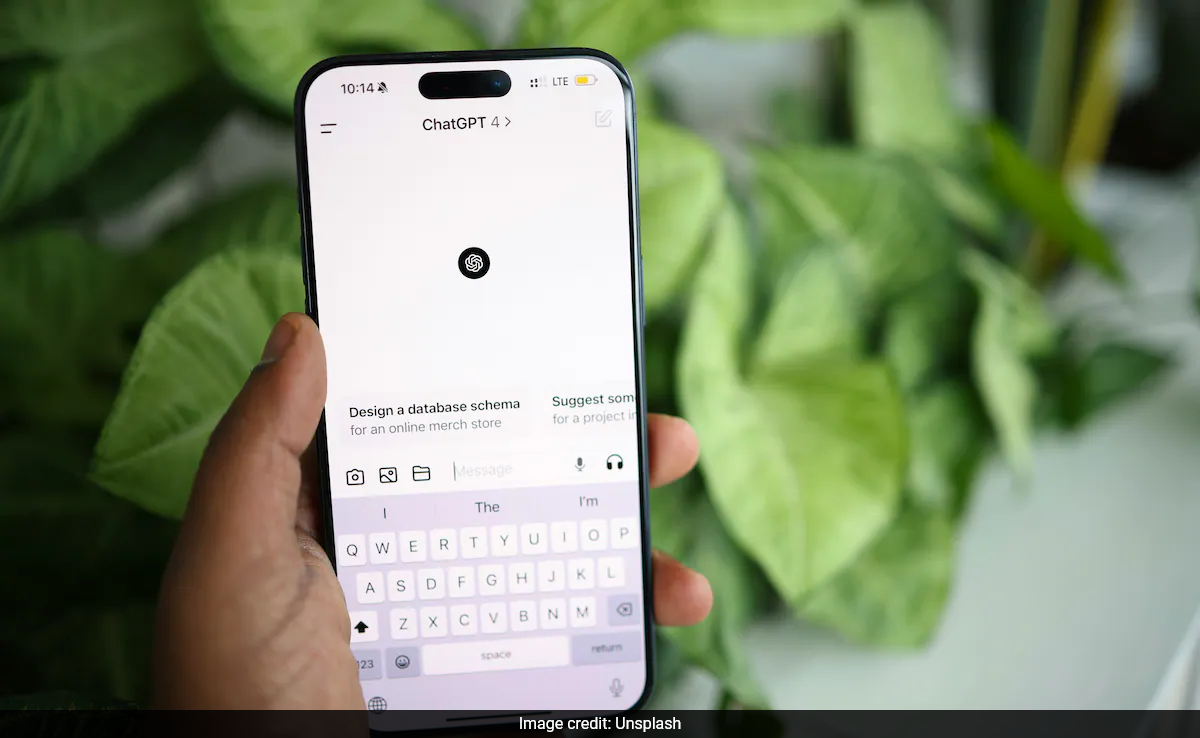
If you've been using ChatGPT for every minor inconvenience, you'll be pleased to know that the AI is now equipped with solutions for a broader range of problems, especially those related to health. OpenAI, the San Francisco-based artificial intelligence company, is set to launch ChatGPT Health. This platform aims to help users feel informed, prepared, and confident when navigating their health concerns. The tool has been developed in close collaboration with over 260 physicians practicing across 60 countries.
According to an OpenAI blog post, health is one of the most common topics people ask ChatGPT about. Each week, hundreds of millions inquire about health and wellness-related issues. ChatGPT Health will empower users to prepare for medical appointments, receive health-related advice, and even find suitable health insurance. "It is not intended for diagnosis or treatment. Instead, it helps you navigate everyday questions and understand patterns over time-not just moments of illness-so you can feel more informed and prepared for important medical conversations," the post mentioned.
While OpenAI has clearly mentioned that ChatGPT Health is designed to support, not replace, medical care, this platform may lead to an increased reliance on AI for health-related queries. Although it will not substitute for doctors and their expertise, many individuals might choose to consult ChatGPT instead of seeking medical advice initially. In some situations, this can provide immediate assistance, but overreliance on such tools could result in delayed diagnoses and treatment.
Are AI tools reliable for your health?
"AI can serve as a useful aid in idea formation, topic brainstorming, writing assistance, advice, and time-saving efforts. It is particularly effective when used as a complement to human judgment, expertise, and practical knowledge. However, it should not be relied upon for health-related inquiries. AI lacks clinical judgment, can offer misleading or dangerous advice, cannot evaluate a patient, and should never replace a healthcare professional," says Dr. Samant Darshi, an Interventional Psychiatrist at Yatharth Hospitals, Noida.
Is ChatGPT Health for everyone?
Before using AI for any health-related issues, Dr. Vinit Banga, Director of Neurology at Fortis Hospital in Faridabad, recommends that individuals ensure they:
1. Verify information for accuracy
2. Protect their private information
3. Understand the tool's capabilities and avoid using it for self-diagnosis
4. Consult professionals to verify information
"The results from AI tools should be regarded as general advice and not as substitutes for actual treatment or major medical solutions. In health matters, one should steer clear of self-diagnosis and treat AI responses as general guidance, not definitive treatment," Dr. Banga adds.
Are there any benefits?
1. Efficiency and speed: AI can process large amounts of data quickly, aiding in faster diagnosis and treatment planning.
2. Personalised results: These tools can analyse individual patient data to tailor treatments and recommendations, improving overall healthcare outcomes.
3. Predictive analytics: AI can identify risk factors and predict disease outbreaks or complications, allowing for proactive measures.
4. Cost reduction: By automating routine tasks and improving diagnostic accuracy, AI can potentially lower healthcare costs.
5. Enhanced decision support: AI tools can provide healthcare professionals with evidence-based recommendations, helping them make informed decisions.
What are the possible drawbacks?
Dr. Darshi notes several cons, including misinformation, overdependence, privacy issues, biased results, a lack of empathy, errors in complex scenarios, diminished critical thinking, and conflicts between AI suggestions and the expertise of healthcare providers.
Precautions one should follow before depending on AI tools
1. Evaluate sources: Ensure that the AI tool has been developed by reputable organisations and is clinically validated.
2. Consult professionals: AI should complement, not replace, the judgment of healthcare professionals. Always seek advice from qualified specialists.
3. Understand limitations: Be aware of the AI tool's limitations and potential biases. Use them as one of many tools in decision-making.
4. Stay informed: Keep up with the latest research and developments in AI healthcare applications to better understand their reliability and efficacy.
5. Privacy measures: Be mindful of data privacy and security, ensuring that any tool used complies with healthcare regulations
To conclude, health-related AI tools like ChatGPT Health can be helpful; however, heavy dependency can do more harm than good.
Disclaimer: This content including advice provides generic information only. It is in no way a substitute for a qualified medical opinion. Always consult a specialist or your own doctor for more information. NDTV does not claim responsibility for this information.