

)
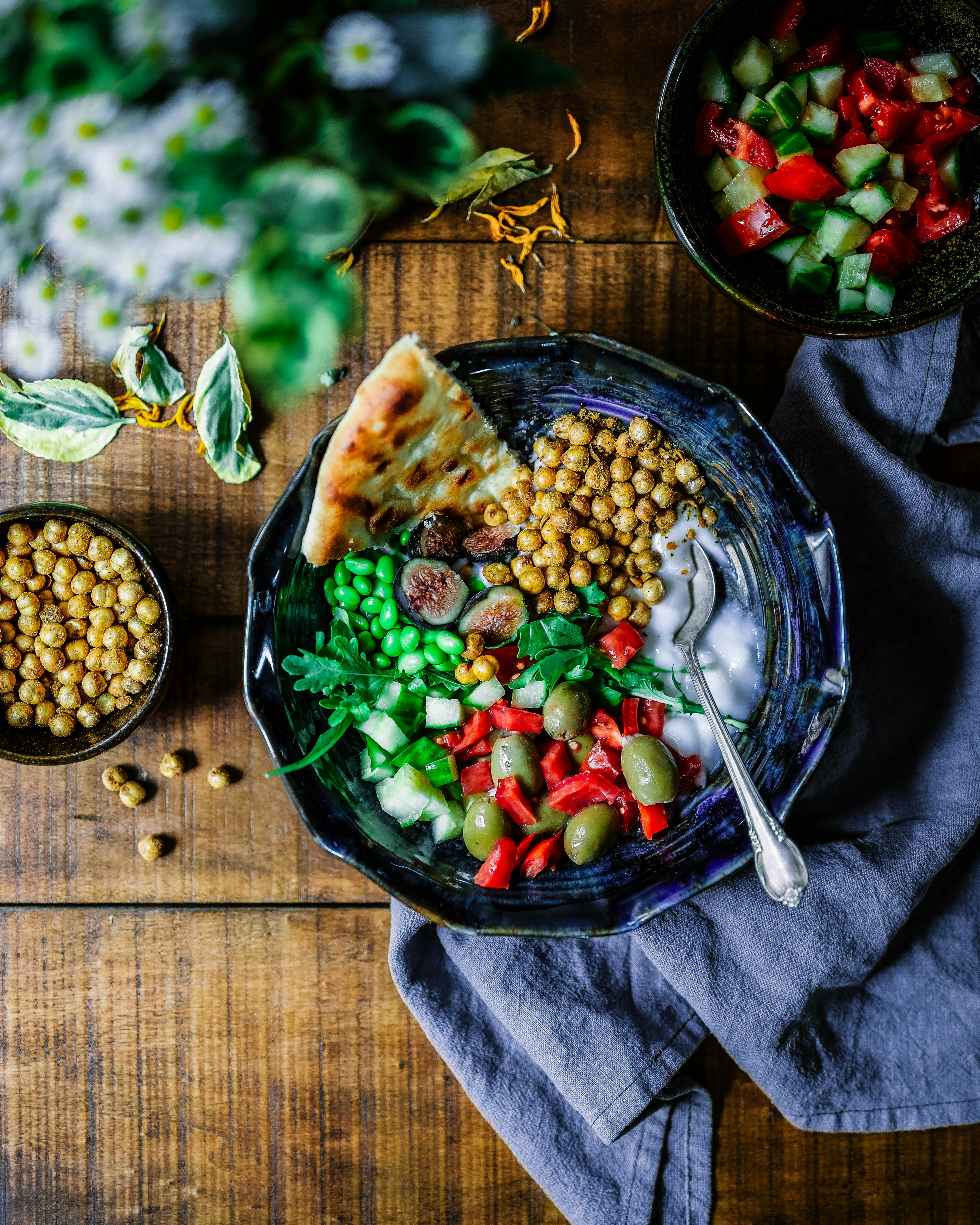
Vegan diets are increasingly popular for ethical, environmental, and health reasons. However, doctors and nutrition experts caution that while a well-planned vegan diet can meet most nutritional needs, vitamin B12 remains a critical exception. Unlike many other nutrients, vitamin B12 is not naturally present in plant-based foods in a form the human body can use.
"A vegan diet pattern will cause a deficiency of vitamin B12, unless it is consciously managed," says Ms. Veena V, Chief Clinical Dietician and Head, Department of Clinical Nutrition and Dietetics, Aster Whitefield Hospital. Vitamin B12, also known as cobalamin, is produced by microorganisms and is found almost exclusively in animal-derived foods such as meat, fish, eggs, and dairy.
This makes vitamin B12 deficiency one of the most common nutritional risks among vegans and unsupplemented vegetarians. Studies consistently show that people who avoid animal foods without taking supplements or fortified products have significantly lower B12 levels and biomarkers compared to non-vegetarians. The consequences can go far beyond fatigue, affecting blood health, nerve function, and even memory.
Why Vitamin B12 Is Essential For Health
Vitamin B12 plays a crucial role in red blood cell formation, DNA synthesis, and neurological function. While the body stores B12 in the liver, these reserves are finite. "If no additional B12 is consumed, these stores can last only a few years," explains Ms. Veena.
When levels drop, early symptoms may include tiredness, weakness, and pale skin due to macrocytic anaemia. More concerning, however, are the neurological effects. "Vitamin B12 deficiency can lead to nerve damage, numbness or tingling in the hands and feet, memory difficulties, and problems with coordination and walking," she warns.
Research published by the National Institutes of Health shows that prolonged B12 deficiency can cause irreversible neurological damage if not addressed in time. This makes early prevention and routine screening especially important for people following vegan diets.
Also Read: Vitamin B12 Deficiency In Children: Signs And Symptoms Parents Shouldn't Miss
Why Plant Foods Aren't Reliable Sources Of Vitamin B12
A common misconception is that certain plant foods, such as seaweed, spirulina, or fermented products, can provide adequate vitamin B12. However, experts strongly caution against this assumption.
"Plant foods cannot be considered a good source of functional vitamin B12," says Ms. Veena. Many of these foods contain B12-like analogues that are inactive in humans and may even interfere with proper B12 absorption. Relying on these "natural" sources can delay diagnosis and worsen deficiency.
How Vegans Can Prevent Vitamin B12 Deficiency
The good news is that preventing B12 deficiency is both simple and affordable. Vitamin B12 in fortified foods and supplements is present in a crystalline form, which is easily absorbed by the body.
"Various clinical trials and population studies show that supplementation is essential for maintaining adequate B12 levels among vegans," says Ms. Veena. Common strategies include:
- 50-100 micrograms daily, or
- 2,000 micrograms once a week, depending on individual needs
Fortified foods such as plant-based milks, nutritional yeast, and fortified breakfast cereals can also contribute to daily intake, but supplements remain the most reliable option.
Who Needs To Be Extra Careful?
Certain groups require closer monitoring of vitamin B12 levels:
- People transitioning to a vegan diet
- Pregnant or breastfeeding women
- Adults over 60 years of age
- Individuals taking medications such as metformin, which can reduce B12 absorption
"If you are pregnant or trying to conceive, low Vitamin B12 levels may affect the baby's neurological development," Ms. Veena cautions. Regular blood tests can help detect deficiency before symptoms appear.
A vegan diet does not automatically mean nutritional deficiency, but it does require informed planning. Vitamin B12 is one nutrient that cannot be ignored or sourced reliably from plants alone. As experts stress, a small daily supplement or fortified food choice can prevent serious, long-term health problems. Being vegan and being healthy are fully compatible, as long as science, not social media myths, guides your choices.
Disclaimer: This content, including advice, provides generic information only. It is in no way a substitute for a qualified medical opinion. Always consult a specialist or your own doctor for more information. NDTV does not claim responsibility for this information.