

)
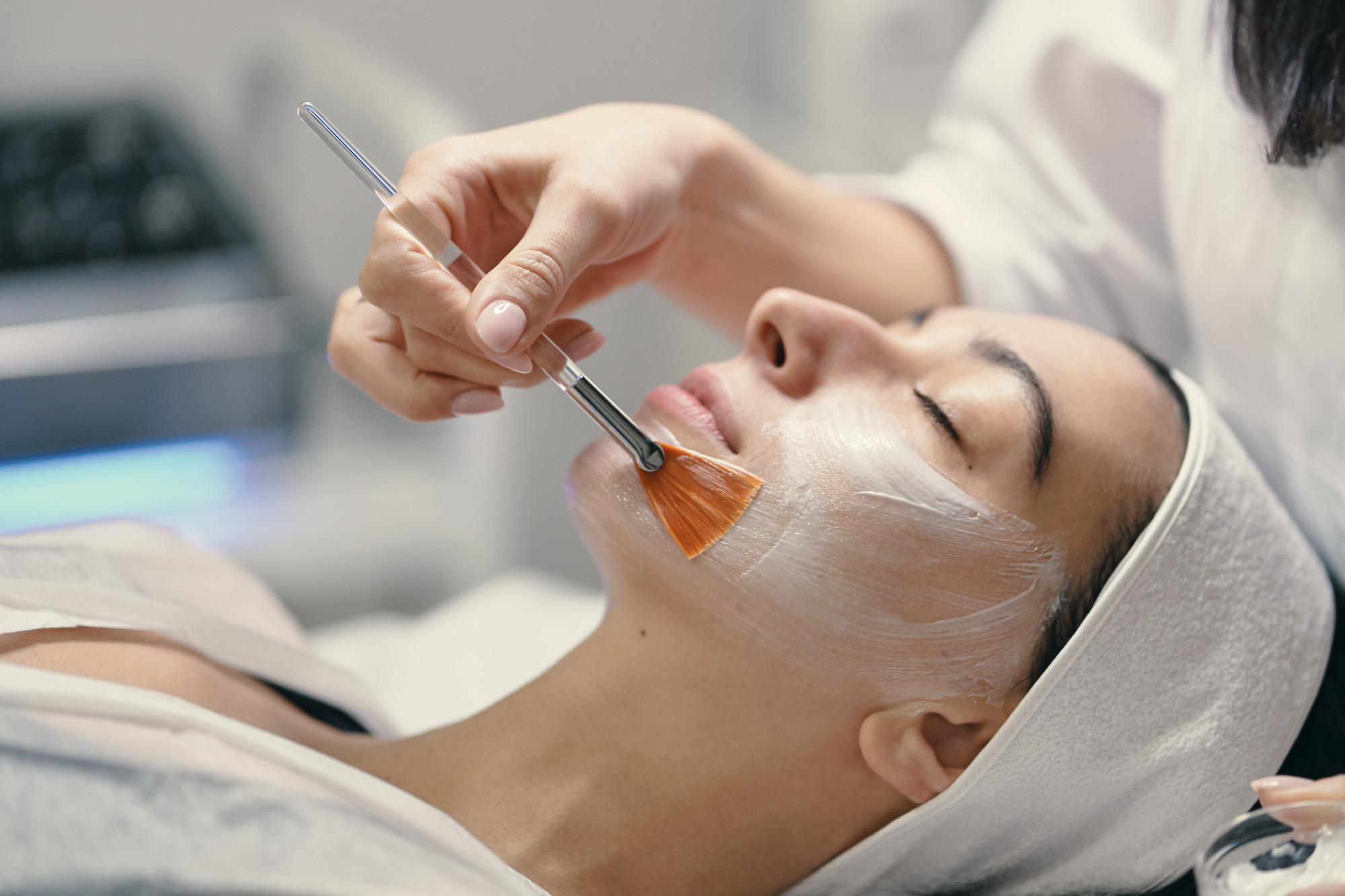
Stepping out of a salon after an expensive facial often comes with the expectation of an instant, glassy glow. Yet many people wake up two days later to a sudden nightmare: tiny red bumps, whiteheads, or a raw, burning sensation across their cheeks. While salon aesthetician culture often dismisses these reactions as simple "skin purging", the reality is frequently quite different. A pampering session should never leave skin in distress. True skin purging only occurs when cellular turnover speeds up due to targeted active ingredients. More often than not, post-facial breakouts stem from contact sensitivity, inflammation, or a severely compromised skin barrier. Commercial facial creams and peels frequently contain synthetic fragrances, aggressive exfoliants, and dense comedogenic agents. When combined with hot steam and deep physical massage, these harsh ingredients penetrate vulnerable pores, stripping the natural lipid shield and triggering flare-ups.
Doctor Explains Why People Face Breakouts After A Facial
To understand why post-facial glow turns into sudden skin irritation, insights were gathered from Dr Kashish Kalra, Head of Department and Consultant in Dermatology at Max Smart Super Speciality Hospital, Saket, New Delhi.
He says, "Post-facial breakouts often happen when the skin's barrier is over-manipulated or stripped by harsh chemical formulations."
"When steam, heavy physical friction, and aggressive chemical activities are combined, micro-tears can form in the stratum corneum. This allows irritants to penetrate deeper, leading to rapid inflammation, contact sensitivity, and acneiform eruptions rather than true purging, adds Dr Kashish Kalra.
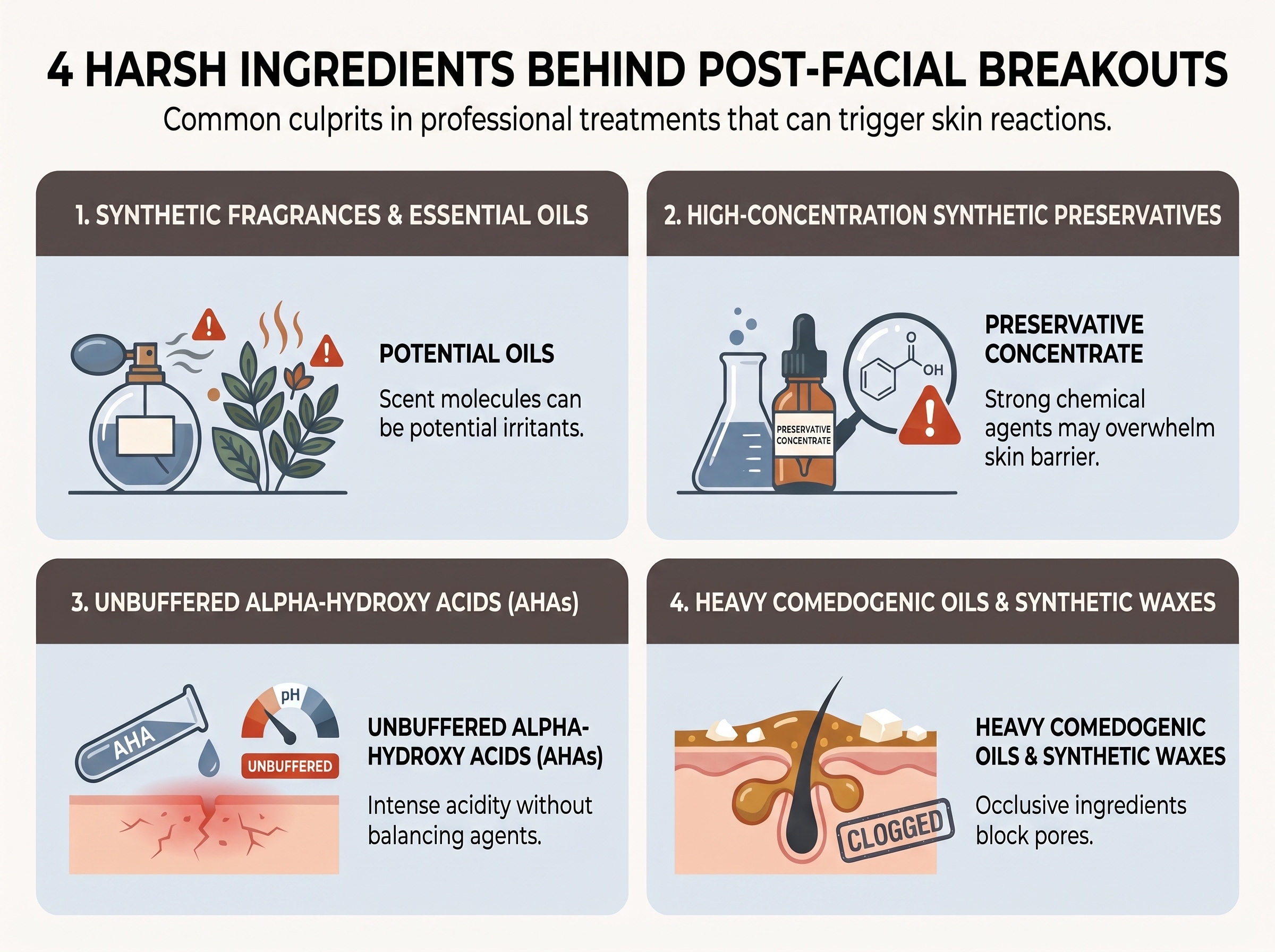
4 Harsh Ingredients Behind Post-Facial Breakouts
When skin reacts with redness, itching, or sudden bumps after a salon treatment, these four common formulation culprits are usually responsible:
1. Synthetic Fragrances and Essential Oils
The soothing, spa-like aroma floating through facial creams often carries hidden skin risks. Synthetic perfumes and concentrated essential oils (like citrus, lavender, or eucalyptus) contain volatile organic compounds.
When massaged into freshly steamed pores, they act as major contact allergens, causing localised swelling, itchy bumps, and allergic contact dermatitis.
A landmark review in the Journal of Clinical and Aesthetic Dermatology confirms that fragrance constituents and concentrated essential oils rank among the primary drivers of cosmetic-induced contact allergic reactions on facial skin.
2. High-Concentration Synthetic Preservatives
To keep large salon jars shelf-stable for months, formulations rely on heavy chemical preservatives. When pushed deep into sensitive facial tissue during facial massages, these chemical agents disturb the normal cutaneous microbiome, resulting in irritation and red, inflammatory bumps.
Clinical findings published via the National Center for Biotechnology Information (NCBI) highlight that strong chemical preservatives act as direct skin irritants, capable of inducing immediate epidermal distress and triggering localised surface inflammation.
3. Unbuffered Alpha-Hydroxy Acids (AHAs)
Glycolic and lactic acids offer brilliant brightening benefits when used correctly, but high-concentration, unbuffered acid peels during quick salon treatments frequently strip the skin barrier completely.
This rapid drop in skin pH causes immediate stinging, structural barrier breakdown, and a defensive wave of inflammatory pimples.
Studies available on PubMed Central demonstrate that stripping the stratum corneum through aggressive chemical exfoliation degrades physical barrier defences, allowing opportunistic acne-causing bacteria to multiply easily.
4. Heavy Comedogenic Oils and Synthetic Waxes
Facial massage gels and creams rely heavily on thick bases such as mineral oil, isopropyl myristate, or coconut derivatives to provide continuous "glide" during a massage.
While luxurious in the moment, these heavy occlusives trap heat, sweat, and sloughed-off dead skin cells deep inside pores, generating clusters of tiny whiteheads within 24 to 48 hours.
How To Soothe Skin After A Bad Facial Reaction
When skin reacts poorly to a salon treatment, a quick pivot to a calm, protective routine helps accelerate recovery:
- Pause All Actives Immediately: Halt the use of all vitamin C, retinol, salicylic acid, or AHA serums until skin completely stabilises.
- Switch To An Ultra-Gentle Cleanser: Cleanse the face once or twice daily using a mild, fragrance-free, soap-free formula.
- Focus Purely On Barrier Repair: Apply lightweight moisturisers packed with ceramides, hyaluronic acid, or Cica to calm inflammation and repair the lipid barrier.
- Apply Broad-Spectrum Sunscreen Daily: Freshly irritated skin is highly susceptible to UV damage and post-inflammatory hyperpigmentation; daily sun protection remains mandatory.
Ultimately, post-facial flare-ups serve as a crucial reminder to prioritise formulation safety over temporary salon indulgence. By recognising harsh chemical triggers and responding with barrier-repairing care, healthy skin function can be restored effectively. Prioritising patch tests and consulting dermatologists before complex treatments will always remain the best defence against unwanted cosmetic reactions.
Also Read: Can You Really "Eat Your Sunscreen"? Why Dermatologists Warn Against Relying On Sunscreen Pills
Disclaimer: This content including advice provides generic information only. It is in no way a substitute for a qualified medical opinion. Always consult a specialist or your own doctor for more information. NDTV does not claim responsibility for this information.